- simple online booking to ensure a spot during your trip;
- fast transfer to the terminal included in the price;
- 24/7 security and surveillance, so you don’t worry about your car;
- only 3 minutes from terminal departures/arrivals with the shuttle.
Instead of taking public transport or paying for taxis or ride-sharing both ways, it’s often more convenient and comfortable to drive your own car and leave it in a private lot.
How to prepare your car while you’re away?
Even if you leave it in a secure place, make sure to handle the following:
- check fuel level and tire pressure;
- remove valuables and important documents;
- ensure the battery is charged, especially if traveling in winter;
The goal of an astrotourism vacation is to disconnect and enjoy the night sky. You don’t want to waste energy on logistical problems or worry about your car while you’re away.
When everything is planned—flight, accommodation, equipment, and parking—you can focus on what really matters: experiencing something unique.
Astrotourism is a way to explore the world differently. It takes you to remote places, shows spectacular natural beauty, and gives memories that last a lifetime.
Book flights and accommodations early, prepare your equipment, and if you’re departing from Bucharest, choose Olimpia Airport Parking so your car is in a modern, clean, 24/7 supervised location while you’re away.
When all the details are in place, you can fully enjoy the starry sky show.
4. Plan everything from home
If you’re flying from outside Bucharest and plan to depart from Henri Coanda Airport, think ahead about transport to the airport and where to leave your car. Many overlook this detail, but it can cause major headaches right before departure.
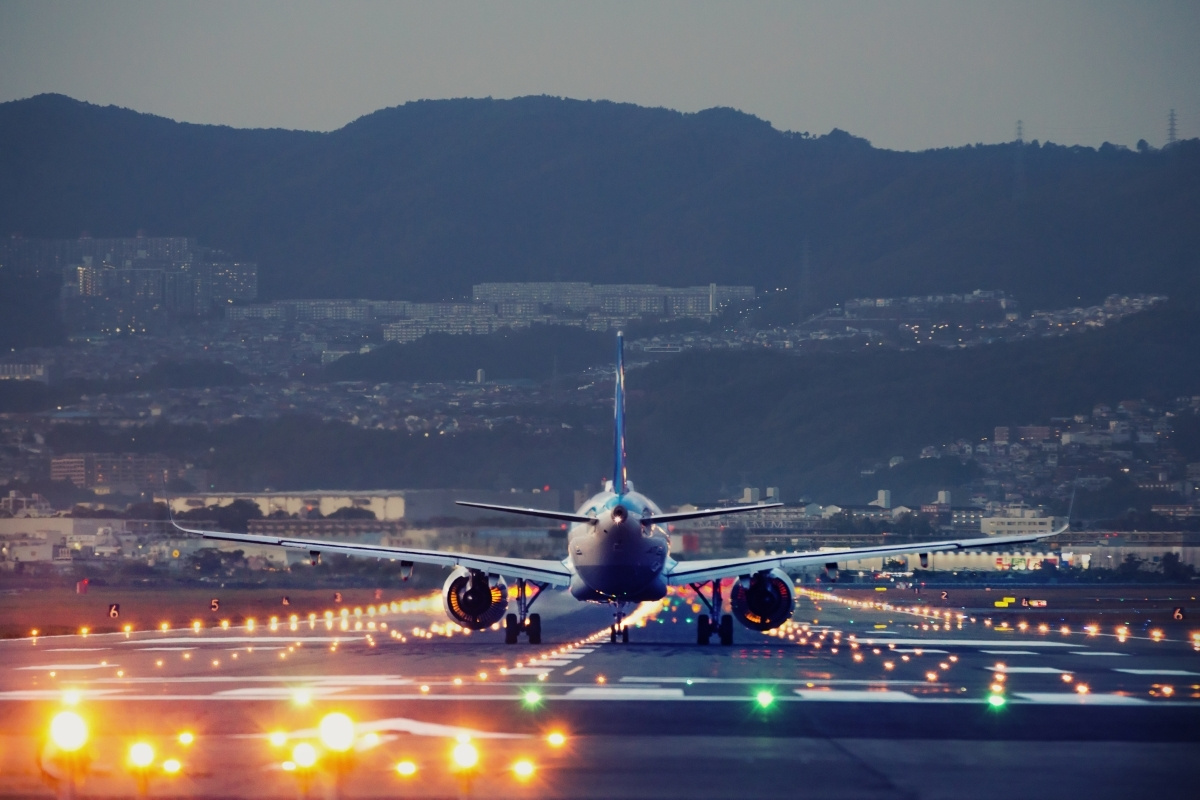
If your trip lasts several days or even weeks, the easiest option is to leave your car in a secure parking lot near the airport.
Olimpia Airport Parking provides comfort and security:
- simple online booking to ensure a spot during your trip;
- fast transfer to the terminal included in the price;
- 24/7 security and surveillance, so you don’t worry about your car;
- only 3 minutes from terminal departures/arrivals with the shuttle.
Instead of taking public transport or paying for taxis or ride-sharing both ways, it’s often more convenient and comfortable to drive your own car and leave it in a private lot.
How to prepare your car while you’re away?
Even if you leave it in a secure place, make sure to handle the following:
- check fuel level and tire pressure;
- remove valuables and important documents;
- ensure the battery is charged, especially if traveling in winter;
The goal of an astrotourism vacation is to disconnect and enjoy the night sky. You don’t want to waste energy on logistical problems or worry about your car while you’re away.
When everything is planned—flight, accommodation, equipment, and parking—you can focus on what really matters: experiencing something unique.
Astrotourism is a way to explore the world differently. It takes you to remote places, shows spectacular natural beauty, and gives memories that last a lifetime.
Book flights and accommodations early, prepare your equipment, and if you’re departing from Bucharest, choose Olimpia Airport Parking so your car is in a modern, clean, 24/7 supervised location while you’re away.
When all the details are in place, you can fully enjoy the starry sky show.
- a quality pair of binoculars or a portable telescope;
- a tripod and a long-exposure camera if you want spectacular images;
- mobile apps to help recognize constellations;
- warm clothing and gear suitable for long nights outdoors.
4. Plan everything from home
If you’re flying from outside Bucharest and plan to depart from Henri Coanda Airport, think ahead about transport to the airport and where to leave your car. Many overlook this detail, but it can cause major headaches right before departure.
If your trip lasts several days or even weeks, the easiest option is to leave your car in a secure parking lot near the airport.
Olimpia Airport Parking provides comfort and security:
- simple online booking to ensure a spot during your trip;
- fast transfer to the terminal included in the price;
- 24/7 security and surveillance, so you don’t worry about your car;
- only 3 minutes from terminal departures/arrivals with the shuttle.
Instead of taking public transport or paying for taxis or ride-sharing both ways, it’s often more convenient and comfortable to drive your own car and leave it in a private lot.
How to prepare your car while you’re away?
Even if you leave it in a secure place, make sure to handle the following:
- check fuel level and tire pressure;
- remove valuables and important documents;
- ensure the battery is charged, especially if traveling in winter;
The goal of an astrotourism vacation is to disconnect and enjoy the night sky. You don’t want to waste energy on logistical problems or worry about your car while you’re away.
When everything is planned—flight, accommodation, equipment, and parking—you can focus on what really matters: experiencing something unique.
Astrotourism is a way to explore the world differently. It takes you to remote places, shows spectacular natural beauty, and gives memories that last a lifetime.
Book flights and accommodations early, prepare your equipment, and if you’re departing from Bucharest, choose Olimpia Airport Parking so your car is in a modern, clean, 24/7 supervised location while you’re away.
When all the details are in place, you can fully enjoy the starry sky show.
Why it’s so sought after:
- people want authentic experiences;
- technology has made these experiences more accessible, with apps predicting phenomena and user-friendly photography equipment;
- a desire to escape crowded cities and spend time in nature.
Astrotourism also offers another advantage: it allows you to see places you might not have visited otherwise.
Popular astrotourism destinations in 2026
Here are some favorite spots for tourists passionate about observing night sky spectacles:
- Tenerife, Spain – clear skies almost all year and Teide National Park, home to famous observatories.
- Lapland (Finland, Norway, Sweden) – one of the best places in the world to see the northern lights.
- Faroe Islands and Scotland – areas with low light pollution and spectacular landscapes.
- Atacama Desert, Chile – clear skies and dry air provide excellent stargazing conditions.
- U.S. national parks such as Bryce Canyon or Death Valley, where skies remain unaffected by city lights.
- Namibia – a paradise for astrophotography thanks to extremely clear nights.
To truly enjoy the astronomical phenomenon, you need to go at a specific time of year when weather conditions and visibility are optimal. This means checking the event calendar in advance, booking flights and accommodations months ahead, as demand is high, prices increase, and spots fill up quickly during peak periods.
How to prepare for such a trip?
An astrotourism trip isn’t something you organize at the last minute. Start well before your departure date. Here are the steps that make a difference:
1. Research the phenomenon
Whether it’s an eclipse or a meteor shower, check the exact dates and the best viewing locations. Some events last only a few hours and occur only once a year, so you can’t choose another date or postpone by a few days.
2. Book in advance
Good accommodations in popular areas are booked months ahead. The same applies to flights. Plan your itinerary so you arrive at least a day before the observation location.
3. Prepare the right equipment
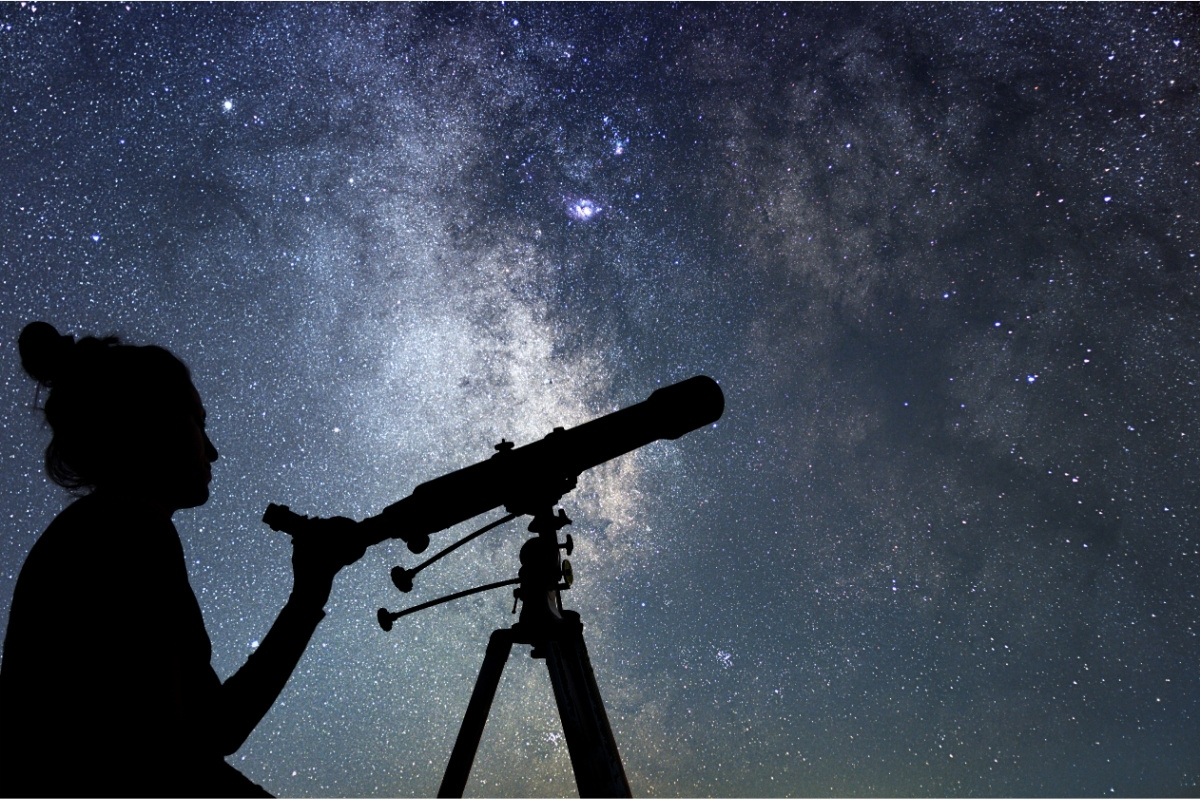
You don’t need a professional telescope to enjoy the night sky, but a few things are still useful:
- a quality pair of binoculars or a portable telescope;
- a tripod and a long-exposure camera if you want spectacular images;
- mobile apps to help recognize constellations;
- warm clothing and gear suitable for long nights outdoors.
4. Plan everything from home
If you’re flying from outside Bucharest and plan to depart from Henri Coanda Airport, think ahead about transport to the airport and where to leave your car. Many overlook this detail, but it can cause major headaches right before departure.
If your trip lasts several days or even weeks, the easiest option is to leave your car in a secure parking lot near the airport.
Olimpia Airport Parking provides comfort and security:
- simple online booking to ensure a spot during your trip;
- fast transfer to the terminal included in the price;
- 24/7 security and surveillance, so you don’t worry about your car;
- only 3 minutes from terminal departures/arrivals with the shuttle.
Instead of taking public transport or paying for taxis or ride-sharing both ways, it’s often more convenient and comfortable to drive your own car and leave it in a private lot.
How to prepare your car while you’re away?
Even if you leave it in a secure place, make sure to handle the following:
- check fuel level and tire pressure;
- remove valuables and important documents;
- ensure the battery is charged, especially if traveling in winter;
The goal of an astrotourism vacation is to disconnect and enjoy the night sky. You don’t want to waste energy on logistical problems or worry about your car while you’re away.
When everything is planned—flight, accommodation, equipment, and parking—you can focus on what really matters: experiencing something unique.
Astrotourism is a way to explore the world differently. It takes you to remote places, shows spectacular natural beauty, and gives memories that last a lifetime.
Book flights and accommodations early, prepare your equipment, and if you’re departing from Bucharest, choose Olimpia Airport Parking so your car is in a modern, clean, 24/7 supervised location while you’re away.
When all the details are in place, you can fully enjoy the starry sky show.
Why it’s so sought after:
- people want authentic experiences;
- technology has made these experiences more accessible, with apps predicting phenomena and user-friendly photography equipment;
- a desire to escape crowded cities and spend time in nature.
Astrotourism also offers another advantage: it allows you to see places you might not have visited otherwise.
Popular astrotourism destinations in 2026
Here are some favorite spots for tourists passionate about observing night sky spectacles:
- Tenerife, Spain – clear skies almost all year and Teide National Park, home to famous observatories.
- Lapland (Finland, Norway, Sweden) – one of the best places in the world to see the northern lights.
- Faroe Islands and Scotland – areas with low light pollution and spectacular landscapes.
- Atacama Desert, Chile – clear skies and dry air provide excellent stargazing conditions.
- U.S. national parks such as Bryce Canyon or Death Valley, where skies remain unaffected by city lights.
- Namibia – a paradise for astrophotography thanks to extremely clear nights.
To truly enjoy the astronomical phenomenon, you need to go at a specific time of year when weather conditions and visibility are optimal. This means checking the event calendar in advance, booking flights and accommodations months ahead, as demand is high, prices increase, and spots fill up quickly during peak periods.
How to prepare for such a trip?
An astrotourism trip isn’t something you organize at the last minute. Start well before your departure date. Here are the steps that make a difference:
1. Research the phenomenon
Whether it’s an eclipse or a meteor shower, check the exact dates and the best viewing locations. Some events last only a few hours and occur only once a year, so you can’t choose another date or postpone by a few days.
2. Book in advance
Good accommodations in popular areas are booked months ahead. The same applies to flights. Plan your itinerary so you arrive at least a day before the observation location.
3. Prepare the right equipment
You don’t need a professional telescope to enjoy the night sky, but a few things are still useful:
- a quality pair of binoculars or a portable telescope;
- a tripod and a long-exposure camera if you want spectacular images;
- mobile apps to help recognize constellations;
- warm clothing and gear suitable for long nights outdoors.
4. Plan everything from home
If you’re flying from outside Bucharest and plan to depart from Henri Coanda Airport, think ahead about transport to the airport and where to leave your car. Many overlook this detail, but it can cause major headaches right before departure.
If your trip lasts several days or even weeks, the easiest option is to leave your car in a secure parking lot near the airport.
Olimpia Airport Parking provides comfort and security:
- simple online booking to ensure a spot during your trip;
- fast transfer to the terminal included in the price;
- 24/7 security and surveillance, so you don’t worry about your car;
- only 3 minutes from terminal departures/arrivals with the shuttle.
Instead of taking public transport or paying for taxis or ride-sharing both ways, it’s often more convenient and comfortable to drive your own car and leave it in a private lot.
How to prepare your car while you’re away?
Even if you leave it in a secure place, make sure to handle the following:
- check fuel level and tire pressure;
- remove valuables and important documents;
- ensure the battery is charged, especially if traveling in winter;
The goal of an astrotourism vacation is to disconnect and enjoy the night sky. You don’t want to waste energy on logistical problems or worry about your car while you’re away.
When everything is planned—flight, accommodation, equipment, and parking—you can focus on what really matters: experiencing something unique.
Astrotourism is a way to explore the world differently. It takes you to remote places, shows spectacular natural beauty, and gives memories that last a lifetime.
Book flights and accommodations early, prepare your equipment, and if you’re departing from Bucharest, choose Olimpia Airport Parking so your car is in a modern, clean, 24/7 supervised location while you’re away.
When all the details are in place, you can fully enjoy the starry sky show.
Why it’s so sought after:
- people want authentic experiences;
- technology has made these experiences more accessible, with apps predicting phenomena and user-friendly photography equipment;
- a desire to escape crowded cities and spend time in nature.
Astrotourism also offers another advantage: it allows you to see places you might not have visited otherwise.
Popular astrotourism destinations in 2026
Here are some favorite spots for tourists passionate about observing night sky spectacles:
- Tenerife, Spain – clear skies almost all year and Teide National Park, home to famous observatories.
- Lapland (Finland, Norway, Sweden) – one of the best places in the world to see the northern lights.
- Faroe Islands and Scotland – areas with low light pollution and spectacular landscapes.
- Atacama Desert, Chile – clear skies and dry air provide excellent stargazing conditions.
- U.S. national parks such as Bryce Canyon or Death Valley, where skies remain unaffected by city lights.
- Namibia – a paradise for astrophotography thanks to extremely clear nights.
To truly enjoy the astronomical phenomenon, you need to go at a specific time of year when weather conditions and visibility are optimal. This means checking the event calendar in advance, booking flights and accommodations months ahead, as demand is high, prices increase, and spots fill up quickly during peak periods.
How to prepare for such a trip?
An astrotourism trip isn’t something you organize at the last minute. Start well before your departure date. Here are the steps that make a difference:
1. Research the phenomenon
Whether it’s an eclipse or a meteor shower, check the exact dates and the best viewing locations. Some events last only a few hours and occur only once a year, so you can’t choose another date or postpone by a few days.
2. Book in advance
Good accommodations in popular areas are booked months ahead. The same applies to flights. Plan your itinerary so you arrive at least a day before the observation location.
3. Prepare the right equipment
You don’t need a professional telescope to enjoy the night sky, but a few things are still useful:
- a quality pair of binoculars or a portable telescope;
- a tripod and a long-exposure camera if you want spectacular images;
- mobile apps to help recognize constellations;
- warm clothing and gear suitable for long nights outdoors.
4. Plan everything from home
If you’re flying from outside Bucharest and plan to depart from Henri Coanda Airport, think ahead about transport to the airport and where to leave your car. Many overlook this detail, but it can cause major headaches right before departure.
If your trip lasts several days or even weeks, the easiest option is to leave your car in a secure parking lot near the airport.
Olimpia Airport Parking provides comfort and security:
- simple online booking to ensure a spot during your trip;
- fast transfer to the terminal included in the price;
- 24/7 security and surveillance, so you don’t worry about your car;
- only 3 minutes from terminal departures/arrivals with the shuttle.
Instead of taking public transport or paying for taxis or ride-sharing both ways, it’s often more convenient and comfortable to drive your own car and leave it in a private lot.
How to prepare your car while you’re away?
Even if you leave it in a secure place, make sure to handle the following:
- check fuel level and tire pressure;
- remove valuables and important documents;
- ensure the battery is charged, especially if traveling in winter;
The goal of an astrotourism vacation is to disconnect and enjoy the night sky. You don’t want to waste energy on logistical problems or worry about your car while you’re away.
When everything is planned—flight, accommodation, equipment, and parking—you can focus on what really matters: experiencing something unique.
Astrotourism is a way to explore the world differently. It takes you to remote places, shows spectacular natural beauty, and gives memories that last a lifetime.
Book flights and accommodations early, prepare your equipment, and if you’re departing from Bucharest, choose Olimpia Airport Parking so your car is in a modern, clean, 24/7 supervised location while you’re away.
When all the details are in place, you can fully enjoy the starry sky show.
- observing rare phenomena, such as eclipses or meteor showers;
- witnessing the aurora borealis or australis;
- photographing the night sky;
- visiting astronomical observatories in remote areas.
Why it’s so sought after:
- people want authentic experiences;
- technology has made these experiences more accessible, with apps predicting phenomena and user-friendly photography equipment;
- a desire to escape crowded cities and spend time in nature.
Astrotourism also offers another advantage: it allows you to see places you might not have visited otherwise.
Popular astrotourism destinations in 2026
Here are some favorite spots for tourists passionate about observing night sky spectacles:
- Tenerife, Spain – clear skies almost all year and Teide National Park, home to famous observatories.
- Lapland (Finland, Norway, Sweden) – one of the best places in the world to see the northern lights.
- Faroe Islands and Scotland – areas with low light pollution and spectacular landscapes.
- Atacama Desert, Chile – clear skies and dry air provide excellent stargazing conditions.
- U.S. national parks such as Bryce Canyon or Death Valley, where skies remain unaffected by city lights.
- Namibia – a paradise for astrophotography thanks to extremely clear nights.
To truly enjoy the astronomical phenomenon, you need to go at a specific time of year when weather conditions and visibility are optimal. This means checking the event calendar in advance, booking flights and accommodations months ahead, as demand is high, prices increase, and spots fill up quickly during peak periods.
How to prepare for such a trip?
An astrotourism trip isn’t something you organize at the last minute. Start well before your departure date. Here are the steps that make a difference:
1. Research the phenomenon
Whether it’s an eclipse or a meteor shower, check the exact dates and the best viewing locations. Some events last only a few hours and occur only once a year, so you can’t choose another date or postpone by a few days.
2. Book in advance
Good accommodations in popular areas are booked months ahead. The same applies to flights. Plan your itinerary so you arrive at least a day before the observation location.
3. Prepare the right equipment
You don’t need a professional telescope to enjoy the night sky, but a few things are still useful:
- a quality pair of binoculars or a portable telescope;
- a tripod and a long-exposure camera if you want spectacular images;
- mobile apps to help recognize constellations;
- warm clothing and gear suitable for long nights outdoors.
4. Plan everything from home
If you’re flying from outside Bucharest and plan to depart from Henri Coanda Airport, think ahead about transport to the airport and where to leave your car. Many overlook this detail, but it can cause major headaches right before departure.
If your trip lasts several days or even weeks, the easiest option is to leave your car in a secure parking lot near the airport.
Olimpia Airport Parking provides comfort and security:
- simple online booking to ensure a spot during your trip;
- fast transfer to the terminal included in the price;
- 24/7 security and surveillance, so you don’t worry about your car;
- only 3 minutes from terminal departures/arrivals with the shuttle.
Instead of taking public transport or paying for taxis or ride-sharing both ways, it’s often more convenient and comfortable to drive your own car and leave it in a private lot.
How to prepare your car while you’re away?
Even if you leave it in a secure place, make sure to handle the following:
- check fuel level and tire pressure;
- remove valuables and important documents;
- ensure the battery is charged, especially if traveling in winter;
The goal of an astrotourism vacation is to disconnect and enjoy the night sky. You don’t want to waste energy on logistical problems or worry about your car while you’re away.
When everything is planned—flight, accommodation, equipment, and parking—you can focus on what really matters: experiencing something unique.
Astrotourism is a way to explore the world differently. It takes you to remote places, shows spectacular natural beauty, and gives memories that last a lifetime.
Book flights and accommodations early, prepare your equipment, and if you’re departing from Bucharest, choose Olimpia Airport Parking so your car is in a modern, clean, 24/7 supervised location while you’re away.
When all the details are in place, you can fully enjoy the starry sky show.
Have you ever gazed at the sky on a clear night and wondered how amazing it would be to witness a meteor shower or the northern lights with your own eyes? Astrotourism is attracting more and more people who travel specifically to observe the night sky, far from city lights.
It’s no longer just a hobby for astronomy enthusiasts. It’s a trend that attracts tourists of all ages from all over the world.
If you want to try this experience, planning is just as important as the destination. From choosing the right equipment to details like parking your car during the trip, every step counts.
What is astrotourism and why is it becoming so popular?
Astrotourism means traveling to see the sky under the best conditions for:
- observing rare phenomena, such as eclipses or meteor showers;
- witnessing the aurora borealis or australis;
- photographing the night sky;
- visiting astronomical observatories in remote areas.
Why it’s so sought after:
- people want authentic experiences;
- technology has made these experiences more accessible, with apps predicting phenomena and user-friendly photography equipment;
- a desire to escape crowded cities and spend time in nature.
Astrotourism also offers another advantage: it allows you to see places you might not have visited otherwise.
Popular astrotourism destinations in 2026
Here are some favorite spots for tourists passionate about observing night sky spectacles:
- Tenerife, Spain – clear skies almost all year and Teide National Park, home to famous observatories.
- Lapland (Finland, Norway, Sweden) – one of the best places in the world to see the northern lights.
- Faroe Islands and Scotland – areas with low light pollution and spectacular landscapes.
- Atacama Desert, Chile – clear skies and dry air provide excellent stargazing conditions.
- U.S. national parks such as Bryce Canyon or Death Valley, where skies remain unaffected by city lights.
- Namibia – a paradise for astrophotography thanks to extremely clear nights.
To truly enjoy the astronomical phenomenon, you need to go at a specific time of year when weather conditions and visibility are optimal. This means checking the event calendar in advance, booking flights and accommodations months ahead, as demand is high, prices increase, and spots fill up quickly during peak periods.
How to prepare for such a trip?
An astrotourism trip isn’t something you organize at the last minute. Start well before your departure date. Here are the steps that make a difference:
1. Research the phenomenon
Whether it’s an eclipse or a meteor shower, check the exact dates and the best viewing locations. Some events last only a few hours and occur only once a year, so you can’t choose another date or postpone by a few days.
2. Book in advance
Good accommodations in popular areas are booked months ahead. The same applies to flights. Plan your itinerary so you arrive at least a day before the observation location.
3. Prepare the right equipment
You don’t need a professional telescope to enjoy the night sky, but a few things are still useful:
- a quality pair of binoculars or a portable telescope;
- a tripod and a long-exposure camera if you want spectacular images;
- mobile apps to help recognize constellations;
- warm clothing and gear suitable for long nights outdoors.
4. Plan everything from home
If you’re flying from outside Bucharest and plan to depart from Henri Coanda Airport, think ahead about transport to the airport and where to leave your car. Many overlook this detail, but it can cause major headaches right before departure.
If your trip lasts several days or even weeks, the easiest option is to leave your car in a secure parking lot near the airport.
Olimpia Airport Parking provides comfort and security:
- simple online booking to ensure a spot during your trip;
- fast transfer to the terminal included in the price;
- 24/7 security and surveillance, so you don’t worry about your car;
- only 3 minutes from terminal departures/arrivals with the shuttle.
Instead of taking public transport or paying for taxis or ride-sharing both ways, it’s often more convenient and comfortable to drive your own car and leave it in a private lot.
How to prepare your car while you’re away?
Even if you leave it in a secure place, make sure to handle the following:
- check fuel level and tire pressure;
- remove valuables and important documents;
- ensure the battery is charged, especially if traveling in winter;
The goal of an astrotourism vacation is to disconnect and enjoy the night sky. You don’t want to waste energy on logistical problems or worry about your car while you’re away.
When everything is planned—flight, accommodation, equipment, and parking—you can focus on what really matters: experiencing something unique.
Astrotourism is a way to explore the world differently. It takes you to remote places, shows spectacular natural beauty, and gives memories that last a lifetime.
Book flights and accommodations early, prepare your equipment, and if you’re departing from Bucharest, choose Olimpia Airport Parking so your car is in a modern, clean, 24/7 supervised location while you’re away.
When all the details are in place, you can fully enjoy the starry sky show.
4. Plan everything from home
If you’re flying from outside Bucharest and plan to depart from Henri Coanda Airport, think ahead about transport to the airport and where to leave your car. Many overlook this detail, but it can cause major headaches right before departure.
If your trip lasts several days or even weeks, the easiest option is to leave your car in a secure parking lot near the airport.
Olimpia Airport Parking provides comfort and security:
- simple online booking to ensure a spot during your trip;
- fast transfer to the terminal included in the price;
- 24/7 security and surveillance, so you don’t worry about your car;
- only 3 minutes from terminal departures/arrivals with the shuttle.
Instead of taking public transport or paying for taxis or ride-sharing both ways, it’s often more convenient and comfortable to drive your own car and leave it in a private lot.
How to prepare your car while you’re away?
Even if you leave it in a secure place, make sure to handle the following:
- check fuel level and tire pressure;
- remove valuables and important documents;
- ensure the battery is charged, especially if traveling in winter;
The goal of an astrotourism vacation is to disconnect and enjoy the night sky. You don’t want to waste energy on logistical problems or worry about your car while you’re away.
When everything is planned—flight, accommodation, equipment, and parking—you can focus on what really matters: experiencing something unique.
Astrotourism is a way to explore the world differently. It takes you to remote places, shows spectacular natural beauty, and gives memories that last a lifetime.
Book flights and accommodations early, prepare your equipment, and if you’re departing from Bucharest, choose Olimpia Airport Parking so your car is in a modern, clean, 24/7 supervised location while you’re away.
When all the details are in place, you can fully enjoy the starry sky show.
Have you ever gazed at the sky on a clear night and wondered how amazing it would be to witness a meteor shower or the northern lights with your own eyes? Astrotourism is attracting more and more people who travel specifically to observe the night sky, far from city lights.
It’s no longer just a hobby for astronomy enthusiasts. It’s a trend that attracts tourists of all ages from all over the world.
If you want to try this experience, planning is just as important as the destination. From choosing the right equipment to details like parking your car during the trip, every step counts.
What is astrotourism and why is it becoming so popular?
Astrotourism means traveling to see the sky under the best conditions for:
- observing rare phenomena, such as eclipses or meteor showers;
- witnessing the aurora borealis or australis;
- photographing the night sky;
- visiting astronomical observatories in remote areas.
Why it’s so sought after:
- people want authentic experiences;
- technology has made these experiences more accessible, with apps predicting phenomena and user-friendly photography equipment;
- a desire to escape crowded cities and spend time in nature.
Astrotourism also offers another advantage: it allows you to see places you might not have visited otherwise.
Popular astrotourism destinations in 2026
Here are some favorite spots for tourists passionate about observing night sky spectacles:
- Tenerife, Spain – clear skies almost all year and Teide National Park, home to famous observatories.
- Lapland (Finland, Norway, Sweden) – one of the best places in the world to see the northern lights.
- Faroe Islands and Scotland – areas with low light pollution and spectacular landscapes.
- Atacama Desert, Chile – clear skies and dry air provide excellent stargazing conditions.
- U.S. national parks such as Bryce Canyon or Death Valley, where skies remain unaffected by city lights.
- Namibia – a paradise for astrophotography thanks to extremely clear nights.
To truly enjoy the astronomical phenomenon, you need to go at a specific time of year when weather conditions and visibility are optimal. This means checking the event calendar in advance, booking flights and accommodations months ahead, as demand is high, prices increase, and spots fill up quickly during peak periods.
How to prepare for such a trip?
An astrotourism trip isn’t something you organize at the last minute. Start well before your departure date. Here are the steps that make a difference:
1. Research the phenomenon
Whether it’s an eclipse or a meteor shower, check the exact dates and the best viewing locations. Some events last only a few hours and occur only once a year, so you can’t choose another date or postpone by a few days.
2. Book in advance
Good accommodations in popular areas are booked months ahead. The same applies to flights. Plan your itinerary so you arrive at least a day before the observation location.
3. Prepare the right equipment
You don’t need a professional telescope to enjoy the night sky, but a few things are still useful:
- a quality pair of binoculars or a portable telescope;
- a tripod and a long-exposure camera if you want spectacular images;
- mobile apps to help recognize constellations;
- warm clothing and gear suitable for long nights outdoors.
4. Plan everything from home
If you’re flying from outside Bucharest and plan to depart from Henri Coanda Airport, think ahead about transport to the airport and where to leave your car. Many overlook this detail, but it can cause major headaches right before departure.
If your trip lasts several days or even weeks, the easiest option is to leave your car in a secure parking lot near the airport.
Olimpia Airport Parking provides comfort and security:
- simple online booking to ensure a spot during your trip;
- fast transfer to the terminal included in the price;
- 24/7 security and surveillance, so you don’t worry about your car;
- only 3 minutes from terminal departures/arrivals with the shuttle.
Instead of taking public transport or paying for taxis or ride-sharing both ways, it’s often more convenient and comfortable to drive your own car and leave it in a private lot.
How to prepare your car while you’re away?
Even if you leave it in a secure place, make sure to handle the following:
- check fuel level and tire pressure;
- remove valuables and important documents;
- ensure the battery is charged, especially if traveling in winter;
The goal of an astrotourism vacation is to disconnect and enjoy the night sky. You don’t want to waste energy on logistical problems or worry about your car while you’re away.
When everything is planned—flight, accommodation, equipment, and parking—you can focus on what really matters: experiencing something unique.
Astrotourism is a way to explore the world differently. It takes you to remote places, shows spectacular natural beauty, and gives memories that last a lifetime.
Book flights and accommodations early, prepare your equipment, and if you’re departing from Bucharest, choose Olimpia Airport Parking so your car is in a modern, clean, 24/7 supervised location while you’re away.
When all the details are in place, you can fully enjoy the starry sky show.
- a quality pair of binoculars or a portable telescope;
- a tripod and a long-exposure camera if you want spectacular images;
- mobile apps to help recognize constellations;
- warm clothing and gear suitable for long nights outdoors.
4. Plan everything from home
If you’re flying from outside Bucharest and plan to depart from Henri Coanda Airport, think ahead about transport to the airport and where to leave your car. Many overlook this detail, but it can cause major headaches right before departure.
If your trip lasts several days or even weeks, the easiest option is to leave your car in a secure parking lot near the airport.
Olimpia Airport Parking provides comfort and security:
- simple online booking to ensure a spot during your trip;
- fast transfer to the terminal included in the price;
- 24/7 security and surveillance, so you don’t worry about your car;
- only 3 minutes from terminal departures/arrivals with the shuttle.
Instead of taking public transport or paying for taxis or ride-sharing both ways, it’s often more convenient and comfortable to drive your own car and leave it in a private lot.
How to prepare your car while you’re away?
Even if you leave it in a secure place, make sure to handle the following:
- check fuel level and tire pressure;
- remove valuables and important documents;
- ensure the battery is charged, especially if traveling in winter;
The goal of an astrotourism vacation is to disconnect and enjoy the night sky. You don’t want to waste energy on logistical problems or worry about your car while you’re away.
When everything is planned—flight, accommodation, equipment, and parking—you can focus on what really matters: experiencing something unique.
Astrotourism is a way to explore the world differently. It takes you to remote places, shows spectacular natural beauty, and gives memories that last a lifetime.
Book flights and accommodations early, prepare your equipment, and if you’re departing from Bucharest, choose Olimpia Airport Parking so your car is in a modern, clean, 24/7 supervised location while you’re away.
When all the details are in place, you can fully enjoy the starry sky show.
Have you ever gazed at the sky on a clear night and wondered how amazing it would be to witness a meteor shower or the northern lights with your own eyes? Astrotourism is attracting more and more people who travel specifically to observe the night sky, far from city lights.
It’s no longer just a hobby for astronomy enthusiasts. It’s a trend that attracts tourists of all ages from all over the world.
If you want to try this experience, planning is just as important as the destination. From choosing the right equipment to details like parking your car during the trip, every step counts.
What is astrotourism and why is it becoming so popular?
Astrotourism means traveling to see the sky under the best conditions for:
- observing rare phenomena, such as eclipses or meteor showers;
- witnessing the aurora borealis or australis;
- photographing the night sky;
- visiting astronomical observatories in remote areas.
Why it’s so sought after:
- people want authentic experiences;
- technology has made these experiences more accessible, with apps predicting phenomena and user-friendly photography equipment;
- a desire to escape crowded cities and spend time in nature.
Astrotourism also offers another advantage: it allows you to see places you might not have visited otherwise.
Popular astrotourism destinations in 2026
Here are some favorite spots for tourists passionate about observing night sky spectacles:
- Tenerife, Spain – clear skies almost all year and Teide National Park, home to famous observatories.
- Lapland (Finland, Norway, Sweden) – one of the best places in the world to see the northern lights.
- Faroe Islands and Scotland – areas with low light pollution and spectacular landscapes.
- Atacama Desert, Chile – clear skies and dry air provide excellent stargazing conditions.
- U.S. national parks such as Bryce Canyon or Death Valley, where skies remain unaffected by city lights.
- Namibia – a paradise for astrophotography thanks to extremely clear nights.
To truly enjoy the astronomical phenomenon, you need to go at a specific time of year when weather conditions and visibility are optimal. This means checking the event calendar in advance, booking flights and accommodations months ahead, as demand is high, prices increase, and spots fill up quickly during peak periods.
How to prepare for such a trip?
An astrotourism trip isn’t something you organize at the last minute. Start well before your departure date. Here are the steps that make a difference:
1. Research the phenomenon
Whether it’s an eclipse or a meteor shower, check the exact dates and the best viewing locations. Some events last only a few hours and occur only once a year, so you can’t choose another date or postpone by a few days.
2. Book in advance
Good accommodations in popular areas are booked months ahead. The same applies to flights. Plan your itinerary so you arrive at least a day before the observation location.
3. Prepare the right equipment
You don’t need a professional telescope to enjoy the night sky, but a few things are still useful:
- a quality pair of binoculars or a portable telescope;
- a tripod and a long-exposure camera if you want spectacular images;
- mobile apps to help recognize constellations;
- warm clothing and gear suitable for long nights outdoors.
4. Plan everything from home
If you’re flying from outside Bucharest and plan to depart from Henri Coanda Airport, think ahead about transport to the airport and where to leave your car. Many overlook this detail, but it can cause major headaches right before departure.
If your trip lasts several days or even weeks, the easiest option is to leave your car in a secure parking lot near the airport.
Olimpia Airport Parking provides comfort and security:
- simple online booking to ensure a spot during your trip;
- fast transfer to the terminal included in the price;
- 24/7 security and surveillance, so you don’t worry about your car;
- only 3 minutes from terminal departures/arrivals with the shuttle.
Instead of taking public transport or paying for taxis or ride-sharing both ways, it’s often more convenient and comfortable to drive your own car and leave it in a private lot.
How to prepare your car while you’re away?
Even if you leave it in a secure place, make sure to handle the following:
- check fuel level and tire pressure;
- remove valuables and important documents;
- ensure the battery is charged, especially if traveling in winter;
The goal of an astrotourism vacation is to disconnect and enjoy the night sky. You don’t want to waste energy on logistical problems or worry about your car while you’re away.
When everything is planned—flight, accommodation, equipment, and parking—you can focus on what really matters: experiencing something unique.
Astrotourism is a way to explore the world differently. It takes you to remote places, shows spectacular natural beauty, and gives memories that last a lifetime.
Book flights and accommodations early, prepare your equipment, and if you’re departing from Bucharest, choose Olimpia Airport Parking so your car is in a modern, clean, 24/7 supervised location while you’re away.
When all the details are in place, you can fully enjoy the starry sky show.
Why it’s so sought after:
- people want authentic experiences;
- technology has made these experiences more accessible, with apps predicting phenomena and user-friendly photography equipment;
- a desire to escape crowded cities and spend time in nature.
Astrotourism also offers another advantage: it allows you to see places you might not have visited otherwise.
Popular astrotourism destinations in 2026
Here are some favorite spots for tourists passionate about observing night sky spectacles:
- Tenerife, Spain – clear skies almost all year and Teide National Park, home to famous observatories.
- Lapland (Finland, Norway, Sweden) – one of the best places in the world to see the northern lights.
- Faroe Islands and Scotland – areas with low light pollution and spectacular landscapes.
- Atacama Desert, Chile – clear skies and dry air provide excellent stargazing conditions.
- U.S. national parks such as Bryce Canyon or Death Valley, where skies remain unaffected by city lights.
- Namibia – a paradise for astrophotography thanks to extremely clear nights.
To truly enjoy the astronomical phenomenon, you need to go at a specific time of year when weather conditions and visibility are optimal. This means checking the event calendar in advance, booking flights and accommodations months ahead, as demand is high, prices increase, and spots fill up quickly during peak periods.
How to prepare for such a trip?
An astrotourism trip isn’t something you organize at the last minute. Start well before your departure date. Here are the steps that make a difference:
1. Research the phenomenon
Whether it’s an eclipse or a meteor shower, check the exact dates and the best viewing locations. Some events last only a few hours and occur only once a year, so you can’t choose another date or postpone by a few days.
2. Book in advance
Good accommodations in popular areas are booked months ahead. The same applies to flights. Plan your itinerary so you arrive at least a day before the observation location.
3. Prepare the right equipment
You don’t need a professional telescope to enjoy the night sky, but a few things are still useful:
- a quality pair of binoculars or a portable telescope;
- a tripod and a long-exposure camera if you want spectacular images;
- mobile apps to help recognize constellations;
- warm clothing and gear suitable for long nights outdoors.
4. Plan everything from home
If you’re flying from outside Bucharest and plan to depart from Henri Coanda Airport, think ahead about transport to the airport and where to leave your car. Many overlook this detail, but it can cause major headaches right before departure.
If your trip lasts several days or even weeks, the easiest option is to leave your car in a secure parking lot near the airport.
Olimpia Airport Parking provides comfort and security:
- simple online booking to ensure a spot during your trip;
- fast transfer to the terminal included in the price;
- 24/7 security and surveillance, so you don’t worry about your car;
- only 3 minutes from terminal departures/arrivals with the shuttle.
Instead of taking public transport or paying for taxis or ride-sharing both ways, it’s often more convenient and comfortable to drive your own car and leave it in a private lot.
How to prepare your car while you’re away?
Even if you leave it in a secure place, make sure to handle the following:
- check fuel level and tire pressure;
- remove valuables and important documents;
- ensure the battery is charged, especially if traveling in winter;
The goal of an astrotourism vacation is to disconnect and enjoy the night sky. You don’t want to waste energy on logistical problems or worry about your car while you’re away.
When everything is planned—flight, accommodation, equipment, and parking—you can focus on what really matters: experiencing something unique.
Astrotourism is a way to explore the world differently. It takes you to remote places, shows spectacular natural beauty, and gives memories that last a lifetime.
Book flights and accommodations early, prepare your equipment, and if you’re departing from Bucharest, choose Olimpia Airport Parking so your car is in a modern, clean, 24/7 supervised location while you’re away.
When all the details are in place, you can fully enjoy the starry sky show.
Have you ever gazed at the sky on a clear night and wondered how amazing it would be to witness a meteor shower or the northern lights with your own eyes? Astrotourism is attracting more and more people who travel specifically to observe the night sky, far from city lights.
It’s no longer just a hobby for astronomy enthusiasts. It’s a trend that attracts tourists of all ages from all over the world.
If you want to try this experience, planning is just as important as the destination. From choosing the right equipment to details like parking your car during the trip, every step counts.
What is astrotourism and why is it becoming so popular?
Astrotourism means traveling to see the sky under the best conditions for:
- observing rare phenomena, such as eclipses or meteor showers;
- witnessing the aurora borealis or australis;
- photographing the night sky;
- visiting astronomical observatories in remote areas.
Why it’s so sought after:
- people want authentic experiences;
- technology has made these experiences more accessible, with apps predicting phenomena and user-friendly photography equipment;
- a desire to escape crowded cities and spend time in nature.
Astrotourism also offers another advantage: it allows you to see places you might not have visited otherwise.
Popular astrotourism destinations in 2026
Here are some favorite spots for tourists passionate about observing night sky spectacles:
- Tenerife, Spain – clear skies almost all year and Teide National Park, home to famous observatories.
- Lapland (Finland, Norway, Sweden) – one of the best places in the world to see the northern lights.
- Faroe Islands and Scotland – areas with low light pollution and spectacular landscapes.
- Atacama Desert, Chile – clear skies and dry air provide excellent stargazing conditions.
- U.S. national parks such as Bryce Canyon or Death Valley, where skies remain unaffected by city lights.
- Namibia – a paradise for astrophotography thanks to extremely clear nights.
To truly enjoy the astronomical phenomenon, you need to go at a specific time of year when weather conditions and visibility are optimal. This means checking the event calendar in advance, booking flights and accommodations months ahead, as demand is high, prices increase, and spots fill up quickly during peak periods.
How to prepare for such a trip?
An astrotourism trip isn’t something you organize at the last minute. Start well before your departure date. Here are the steps that make a difference:
1. Research the phenomenon
Whether it’s an eclipse or a meteor shower, check the exact dates and the best viewing locations. Some events last only a few hours and occur only once a year, so you can’t choose another date or postpone by a few days.
2. Book in advance
Good accommodations in popular areas are booked months ahead. The same applies to flights. Plan your itinerary so you arrive at least a day before the observation location.
3. Prepare the right equipment
You don’t need a professional telescope to enjoy the night sky, but a few things are still useful:
- a quality pair of binoculars or a portable telescope;
- a tripod and a long-exposure camera if you want spectacular images;
- mobile apps to help recognize constellations;
- warm clothing and gear suitable for long nights outdoors.
4. Plan everything from home
If you’re flying from outside Bucharest and plan to depart from Henri Coanda Airport, think ahead about transport to the airport and where to leave your car. Many overlook this detail, but it can cause major headaches right before departure.
If your trip lasts several days or even weeks, the easiest option is to leave your car in a secure parking lot near the airport.
Olimpia Airport Parking provides comfort and security:
- simple online booking to ensure a spot during your trip;
- fast transfer to the terminal included in the price;
- 24/7 security and surveillance, so you don’t worry about your car;
- only 3 minutes from terminal departures/arrivals with the shuttle.
Instead of taking public transport or paying for taxis or ride-sharing both ways, it’s often more convenient and comfortable to drive your own car and leave it in a private lot.
How to prepare your car while you’re away?
Even if you leave it in a secure place, make sure to handle the following:
- check fuel level and tire pressure;
- remove valuables and important documents;
- ensure the battery is charged, especially if traveling in winter;
The goal of an astrotourism vacation is to disconnect and enjoy the night sky. You don’t want to waste energy on logistical problems or worry about your car while you’re away.
When everything is planned—flight, accommodation, equipment, and parking—you can focus on what really matters: experiencing something unique.
Astrotourism is a way to explore the world differently. It takes you to remote places, shows spectacular natural beauty, and gives memories that last a lifetime.
Book flights and accommodations early, prepare your equipment, and if you’re departing from Bucharest, choose Olimpia Airport Parking so your car is in a modern, clean, 24/7 supervised location while you’re away.
When all the details are in place, you can fully enjoy the starry sky show.
Why it’s so sought after:
- people want authentic experiences;
- technology has made these experiences more accessible, with apps predicting phenomena and user-friendly photography equipment;
- a desire to escape crowded cities and spend time in nature.
Astrotourism also offers another advantage: it allows you to see places you might not have visited otherwise.
Popular astrotourism destinations in 2026
Here are some favorite spots for tourists passionate about observing night sky spectacles:
- Tenerife, Spain – clear skies almost all year and Teide National Park, home to famous observatories.
- Lapland (Finland, Norway, Sweden) – one of the best places in the world to see the northern lights.
- Faroe Islands and Scotland – areas with low light pollution and spectacular landscapes.
- Atacama Desert, Chile – clear skies and dry air provide excellent stargazing conditions.
- U.S. national parks such as Bryce Canyon or Death Valley, where skies remain unaffected by city lights.
- Namibia – a paradise for astrophotography thanks to extremely clear nights.
To truly enjoy the astronomical phenomenon, you need to go at a specific time of year when weather conditions and visibility are optimal. This means checking the event calendar in advance, booking flights and accommodations months ahead, as demand is high, prices increase, and spots fill up quickly during peak periods.
How to prepare for such a trip?
An astrotourism trip isn’t something you organize at the last minute. Start well before your departure date. Here are the steps that make a difference:
1. Research the phenomenon
Whether it’s an eclipse or a meteor shower, check the exact dates and the best viewing locations. Some events last only a few hours and occur only once a year, so you can’t choose another date or postpone by a few days.
2. Book in advance
Good accommodations in popular areas are booked months ahead. The same applies to flights. Plan your itinerary so you arrive at least a day before the observation location.
3. Prepare the right equipment
You don’t need a professional telescope to enjoy the night sky, but a few things are still useful:
- a quality pair of binoculars or a portable telescope;
- a tripod and a long-exposure camera if you want spectacular images;
- mobile apps to help recognize constellations;
- warm clothing and gear suitable for long nights outdoors.
4. Plan everything from home
If you’re flying from outside Bucharest and plan to depart from Henri Coanda Airport, think ahead about transport to the airport and where to leave your car. Many overlook this detail, but it can cause major headaches right before departure.
If your trip lasts several days or even weeks, the easiest option is to leave your car in a secure parking lot near the airport.
Olimpia Airport Parking provides comfort and security:
- simple online booking to ensure a spot during your trip;
- fast transfer to the terminal included in the price;
- 24/7 security and surveillance, so you don’t worry about your car;
- only 3 minutes from terminal departures/arrivals with the shuttle.
Instead of taking public transport or paying for taxis or ride-sharing both ways, it’s often more convenient and comfortable to drive your own car and leave it in a private lot.
How to prepare your car while you’re away?
Even if you leave it in a secure place, make sure to handle the following:
- check fuel level and tire pressure;
- remove valuables and important documents;
- ensure the battery is charged, especially if traveling in winter;
The goal of an astrotourism vacation is to disconnect and enjoy the night sky. You don’t want to waste energy on logistical problems or worry about your car while you’re away.
When everything is planned—flight, accommodation, equipment, and parking—you can focus on what really matters: experiencing something unique.
Astrotourism is a way to explore the world differently. It takes you to remote places, shows spectacular natural beauty, and gives memories that last a lifetime.
Book flights and accommodations early, prepare your equipment, and if you’re departing from Bucharest, choose Olimpia Airport Parking so your car is in a modern, clean, 24/7 supervised location while you’re away.
When all the details are in place, you can fully enjoy the starry sky show.
Have you ever gazed at the sky on a clear night and wondered how amazing it would be to witness a meteor shower or the northern lights with your own eyes? Astrotourism is attracting more and more people who travel specifically to observe the night sky, far from city lights.
It’s no longer just a hobby for astronomy enthusiasts. It’s a trend that attracts tourists of all ages from all over the world.
If you want to try this experience, planning is just as important as the destination. From choosing the right equipment to details like parking your car during the trip, every step counts.
What is astrotourism and why is it becoming so popular?
Astrotourism means traveling to see the sky under the best conditions for:
- observing rare phenomena, such as eclipses or meteor showers;
- witnessing the aurora borealis or australis;
- photographing the night sky;
- visiting astronomical observatories in remote areas.
Why it’s so sought after:
- people want authentic experiences;
- technology has made these experiences more accessible, with apps predicting phenomena and user-friendly photography equipment;
- a desire to escape crowded cities and spend time in nature.
Astrotourism also offers another advantage: it allows you to see places you might not have visited otherwise.
Popular astrotourism destinations in 2026
Here are some favorite spots for tourists passionate about observing night sky spectacles:
- Tenerife, Spain – clear skies almost all year and Teide National Park, home to famous observatories.
- Lapland (Finland, Norway, Sweden) – one of the best places in the world to see the northern lights.
- Faroe Islands and Scotland – areas with low light pollution and spectacular landscapes.
- Atacama Desert, Chile – clear skies and dry air provide excellent stargazing conditions.
- U.S. national parks such as Bryce Canyon or Death Valley, where skies remain unaffected by city lights.
- Namibia – a paradise for astrophotography thanks to extremely clear nights.
To truly enjoy the astronomical phenomenon, you need to go at a specific time of year when weather conditions and visibility are optimal. This means checking the event calendar in advance, booking flights and accommodations months ahead, as demand is high, prices increase, and spots fill up quickly during peak periods.
How to prepare for such a trip?
An astrotourism trip isn’t something you organize at the last minute. Start well before your departure date. Here are the steps that make a difference:
1. Research the phenomenon
Whether it’s an eclipse or a meteor shower, check the exact dates and the best viewing locations. Some events last only a few hours and occur only once a year, so you can’t choose another date or postpone by a few days.
2. Book in advance
Good accommodations in popular areas are booked months ahead. The same applies to flights. Plan your itinerary so you arrive at least a day before the observation location.
3. Prepare the right equipment
You don’t need a professional telescope to enjoy the night sky, but a few things are still useful:
- a quality pair of binoculars or a portable telescope;
- a tripod and a long-exposure camera if you want spectacular images;
- mobile apps to help recognize constellations;
- warm clothing and gear suitable for long nights outdoors.
4. Plan everything from home
If you’re flying from outside Bucharest and plan to depart from Henri Coanda Airport, think ahead about transport to the airport and where to leave your car. Many overlook this detail, but it can cause major headaches right before departure.
If your trip lasts several days or even weeks, the easiest option is to leave your car in a secure parking lot near the airport.
Olimpia Airport Parking provides comfort and security:
- simple online booking to ensure a spot during your trip;
- fast transfer to the terminal included in the price;
- 24/7 security and surveillance, so you don’t worry about your car;
- only 3 minutes from terminal departures/arrivals with the shuttle.
Instead of taking public transport or paying for taxis or ride-sharing both ways, it’s often more convenient and comfortable to drive your own car and leave it in a private lot.
How to prepare your car while you’re away?
Even if you leave it in a secure place, make sure to handle the following:
- check fuel level and tire pressure;
- remove valuables and important documents;
- ensure the battery is charged, especially if traveling in winter;
The goal of an astrotourism vacation is to disconnect and enjoy the night sky. You don’t want to waste energy on logistical problems or worry about your car while you’re away.
When everything is planned—flight, accommodation, equipment, and parking—you can focus on what really matters: experiencing something unique.
Astrotourism is a way to explore the world differently. It takes you to remote places, shows spectacular natural beauty, and gives memories that last a lifetime.
Book flights and accommodations early, prepare your equipment, and if you’re departing from Bucharest, choose Olimpia Airport Parking so your car is in a modern, clean, 24/7 supervised location while you’re away.
When all the details are in place, you can fully enjoy the starry sky show.
Why it’s so sought after:
- people want authentic experiences;
- technology has made these experiences more accessible, with apps predicting phenomena and user-friendly photography equipment;
- a desire to escape crowded cities and spend time in nature.
Astrotourism also offers another advantage: it allows you to see places you might not have visited otherwise.
Popular astrotourism destinations in 2026
Here are some favorite spots for tourists passionate about observing night sky spectacles:
- Tenerife, Spain – clear skies almost all year and Teide National Park, home to famous observatories.
- Lapland (Finland, Norway, Sweden) – one of the best places in the world to see the northern lights.
- Faroe Islands and Scotland – areas with low light pollution and spectacular landscapes.
- Atacama Desert, Chile – clear skies and dry air provide excellent stargazing conditions.
- U.S. national parks such as Bryce Canyon or Death Valley, where skies remain unaffected by city lights.
- Namibia – a paradise for astrophotography thanks to extremely clear nights.
To truly enjoy the astronomical phenomenon, you need to go at a specific time of year when weather conditions and visibility are optimal. This means checking the event calendar in advance, booking flights and accommodations months ahead, as demand is high, prices increase, and spots fill up quickly during peak periods.
How to prepare for such a trip?
An astrotourism trip isn’t something you organize at the last minute. Start well before your departure date. Here are the steps that make a difference:
1. Research the phenomenon
Whether it’s an eclipse or a meteor shower, check the exact dates and the best viewing locations. Some events last only a few hours and occur only once a year, so you can’t choose another date or postpone by a few days.
2. Book in advance
Good accommodations in popular areas are booked months ahead. The same applies to flights. Plan your itinerary so you arrive at least a day before the observation location.
3. Prepare the right equipment
You don’t need a professional telescope to enjoy the night sky, but a few things are still useful:
- a quality pair of binoculars or a portable telescope;
- a tripod and a long-exposure camera if you want spectacular images;
- mobile apps to help recognize constellations;
- warm clothing and gear suitable for long nights outdoors.
4. Plan everything from home
If you’re flying from outside Bucharest and plan to depart from Henri Coanda Airport, think ahead about transport to the airport and where to leave your car. Many overlook this detail, but it can cause major headaches right before departure.
If your trip lasts several days or even weeks, the easiest option is to leave your car in a secure parking lot near the airport.
Olimpia Airport Parking provides comfort and security:
- simple online booking to ensure a spot during your trip;
- fast transfer to the terminal included in the price;
- 24/7 security and surveillance, so you don’t worry about your car;
- only 3 minutes from terminal departures/arrivals with the shuttle.
Instead of taking public transport or paying for taxis or ride-sharing both ways, it’s often more convenient and comfortable to drive your own car and leave it in a private lot.
How to prepare your car while you’re away?
Even if you leave it in a secure place, make sure to handle the following:
- check fuel level and tire pressure;
- remove valuables and important documents;
- ensure the battery is charged, especially if traveling in winter;
The goal of an astrotourism vacation is to disconnect and enjoy the night sky. You don’t want to waste energy on logistical problems or worry about your car while you’re away.
When everything is planned—flight, accommodation, equipment, and parking—you can focus on what really matters: experiencing something unique.
Astrotourism is a way to explore the world differently. It takes you to remote places, shows spectacular natural beauty, and gives memories that last a lifetime.
Book flights and accommodations early, prepare your equipment, and if you’re departing from Bucharest, choose Olimpia Airport Parking so your car is in a modern, clean, 24/7 supervised location while you’re away.
When all the details are in place, you can fully enjoy the starry sky show.
Have you ever gazed at the sky on a clear night and wondered how amazing it would be to witness a meteor shower or the northern lights with your own eyes? Astrotourism is attracting more and more people who travel specifically to observe the night sky, far from city lights.
It’s no longer just a hobby for astronomy enthusiasts. It’s a trend that attracts tourists of all ages from all over the world.
If you want to try this experience, planning is just as important as the destination. From choosing the right equipment to details like parking your car during the trip, every step counts.
What is astrotourism and why is it becoming so popular?
Astrotourism means traveling to see the sky under the best conditions for:
- observing rare phenomena, such as eclipses or meteor showers;
- witnessing the aurora borealis or australis;
- photographing the night sky;
- visiting astronomical observatories in remote areas.
Why it’s so sought after:
- people want authentic experiences;
- technology has made these experiences more accessible, with apps predicting phenomena and user-friendly photography equipment;
- a desire to escape crowded cities and spend time in nature.
Astrotourism also offers another advantage: it allows you to see places you might not have visited otherwise.
Popular astrotourism destinations in 2026
Here are some favorite spots for tourists passionate about observing night sky spectacles:
- Tenerife, Spain – clear skies almost all year and Teide National Park, home to famous observatories.
- Lapland (Finland, Norway, Sweden) – one of the best places in the world to see the northern lights.
- Faroe Islands and Scotland – areas with low light pollution and spectacular landscapes.
- Atacama Desert, Chile – clear skies and dry air provide excellent stargazing conditions.
- U.S. national parks such as Bryce Canyon or Death Valley, where skies remain unaffected by city lights.
- Namibia – a paradise for astrophotography thanks to extremely clear nights.
To truly enjoy the astronomical phenomenon, you need to go at a specific time of year when weather conditions and visibility are optimal. This means checking the event calendar in advance, booking flights and accommodations months ahead, as demand is high, prices increase, and spots fill up quickly during peak periods.
How to prepare for such a trip?
An astrotourism trip isn’t something you organize at the last minute. Start well before your departure date. Here are the steps that make a difference:
1. Research the phenomenon
Whether it’s an eclipse or a meteor shower, check the exact dates and the best viewing locations. Some events last only a few hours and occur only once a year, so you can’t choose another date or postpone by a few days.
2. Book in advance
Good accommodations in popular areas are booked months ahead. The same applies to flights. Plan your itinerary so you arrive at least a day before the observation location.
3. Prepare the right equipment
You don’t need a professional telescope to enjoy the night sky, but a few things are still useful:
- a quality pair of binoculars or a portable telescope;
- a tripod and a long-exposure camera if you want spectacular images;
- mobile apps to help recognize constellations;
- warm clothing and gear suitable for long nights outdoors.
4. Plan everything from home
If you’re flying from outside Bucharest and plan to depart from Henri Coanda Airport, think ahead about transport to the airport and where to leave your car. Many overlook this detail, but it can cause major headaches right before departure.
If your trip lasts several days or even weeks, the easiest option is to leave your car in a secure parking lot near the airport.
Olimpia Airport Parking provides comfort and security:
- simple online booking to ensure a spot during your trip;
- fast transfer to the terminal included in the price;
- 24/7 security and surveillance, so you don’t worry about your car;
- only 3 minutes from terminal departures/arrivals with the shuttle.
Instead of taking public transport or paying for taxis or ride-sharing both ways, it’s often more convenient and comfortable to drive your own car and leave it in a private lot.
How to prepare your car while you’re away?
Even if you leave it in a secure place, make sure to handle the following:
- check fuel level and tire pressure;
- remove valuables and important documents;
- ensure the battery is charged, especially if traveling in winter;
The goal of an astrotourism vacation is to disconnect and enjoy the night sky. You don’t want to waste energy on logistical problems or worry about your car while you’re away.
When everything is planned—flight, accommodation, equipment, and parking—you can focus on what really matters: experiencing something unique.
Astrotourism is a way to explore the world differently. It takes you to remote places, shows spectacular natural beauty, and gives memories that last a lifetime.
Book flights and accommodations early, prepare your equipment, and if you’re departing from Bucharest, choose Olimpia Airport Parking so your car is in a modern, clean, 24/7 supervised location while you’re away.
When all the details are in place, you can fully enjoy the starry sky show.
- observing rare phenomena, such as eclipses or meteor showers;
- witnessing the aurora borealis or australis;
- photographing the night sky;
- visiting astronomical observatories in remote areas.
Why it’s so sought after:
- people want authentic experiences;
- technology has made these experiences more accessible, with apps predicting phenomena and user-friendly photography equipment;
- a desire to escape crowded cities and spend time in nature.
Astrotourism also offers another advantage: it allows you to see places you might not have visited otherwise.
Popular astrotourism destinations in 2026
Here are some favorite spots for tourists passionate about observing night sky spectacles:
- Tenerife, Spain – clear skies almost all year and Teide National Park, home to famous observatories.
- Lapland (Finland, Norway, Sweden) – one of the best places in the world to see the northern lights.
- Faroe Islands and Scotland – areas with low light pollution and spectacular landscapes.
- Atacama Desert, Chile – clear skies and dry air provide excellent stargazing conditions.
- U.S. national parks such as Bryce Canyon or Death Valley, where skies remain unaffected by city lights.
- Namibia – a paradise for astrophotography thanks to extremely clear nights.
To truly enjoy the astronomical phenomenon, you need to go at a specific time of year when weather conditions and visibility are optimal. This means checking the event calendar in advance, booking flights and accommodations months ahead, as demand is high, prices increase, and spots fill up quickly during peak periods.
How to prepare for such a trip?
An astrotourism trip isn’t something you organize at the last minute. Start well before your departure date. Here are the steps that make a difference:
1. Research the phenomenon
Whether it’s an eclipse or a meteor shower, check the exact dates and the best viewing locations. Some events last only a few hours and occur only once a year, so you can’t choose another date or postpone by a few days.
2. Book in advance
Good accommodations in popular areas are booked months ahead. The same applies to flights. Plan your itinerary so you arrive at least a day before the observation location.
3. Prepare the right equipment
You don’t need a professional telescope to enjoy the night sky, but a few things are still useful:
- a quality pair of binoculars or a portable telescope;
- a tripod and a long-exposure camera if you want spectacular images;
- mobile apps to help recognize constellations;
- warm clothing and gear suitable for long nights outdoors.
4. Plan everything from home
If you’re flying from outside Bucharest and plan to depart from Henri Coanda Airport, think ahead about transport to the airport and where to leave your car. Many overlook this detail, but it can cause major headaches right before departure.
If your trip lasts several days or even weeks, the easiest option is to leave your car in a secure parking lot near the airport.
Olimpia Airport Parking provides comfort and security:
- simple online booking to ensure a spot during your trip;
- fast transfer to the terminal included in the price;
- 24/7 security and surveillance, so you don’t worry about your car;
- only 3 minutes from terminal departures/arrivals with the shuttle.
Instead of taking public transport or paying for taxis or ride-sharing both ways, it’s often more convenient and comfortable to drive your own car and leave it in a private lot.
How to prepare your car while you’re away?
Even if you leave it in a secure place, make sure to handle the following:
- check fuel level and tire pressure;
- remove valuables and important documents;
- ensure the battery is charged, especially if traveling in winter;
The goal of an astrotourism vacation is to disconnect and enjoy the night sky. You don’t want to waste energy on logistical problems or worry about your car while you’re away.
When everything is planned—flight, accommodation, equipment, and parking—you can focus on what really matters: experiencing something unique.
Astrotourism is a way to explore the world differently. It takes you to remote places, shows spectacular natural beauty, and gives memories that last a lifetime.
Book flights and accommodations early, prepare your equipment, and if you’re departing from Bucharest, choose Olimpia Airport Parking so your car is in a modern, clean, 24/7 supervised location while you’re away.
When all the details are in place, you can fully enjoy the starry sky show.
Have you ever gazed at the sky on a clear night and wondered how amazing it would be to witness a meteor shower or the northern lights with your own eyes? Astrotourism is attracting more and more people who travel specifically to observe the night sky, far from city lights.
It’s no longer just a hobby for astronomy enthusiasts. It’s a trend that attracts tourists of all ages from all over the world.
If you want to try this experience, planning is just as important as the destination. From choosing the right equipment to details like parking your car during the trip, every step counts.
What is astrotourism and why is it becoming so popular?
Astrotourism means traveling to see the sky under the best conditions for:
- observing rare phenomena, such as eclipses or meteor showers;
- witnessing the aurora borealis or australis;
- photographing the night sky;
- visiting astronomical observatories in remote areas.
Why it’s so sought after:
- people want authentic experiences;
- technology has made these experiences more accessible, with apps predicting phenomena and user-friendly photography equipment;
- a desire to escape crowded cities and spend time in nature.
Astrotourism also offers another advantage: it allows you to see places you might not have visited otherwise.
Popular astrotourism destinations in 2026
Here are some favorite spots for tourists passionate about observing night sky spectacles:
- Tenerife, Spain – clear skies almost all year and Teide National Park, home to famous observatories.
- Lapland (Finland, Norway, Sweden) – one of the best places in the world to see the northern lights.
- Faroe Islands and Scotland – areas with low light pollution and spectacular landscapes.
- Atacama Desert, Chile – clear skies and dry air provide excellent stargazing conditions.
- U.S. national parks such as Bryce Canyon or Death Valley, where skies remain unaffected by city lights.
- Namibia – a paradise for astrophotography thanks to extremely clear nights.
To truly enjoy the astronomical phenomenon, you need to go at a specific time of year when weather conditions and visibility are optimal. This means checking the event calendar in advance, booking flights and accommodations months ahead, as demand is high, prices increase, and spots fill up quickly during peak periods.
How to prepare for such a trip?
An astrotourism trip isn’t something you organize at the last minute. Start well before your departure date. Here are the steps that make a difference:
1. Research the phenomenon
Whether it’s an eclipse or a meteor shower, check the exact dates and the best viewing locations. Some events last only a few hours and occur only once a year, so you can’t choose another date or postpone by a few days.
2. Book in advance
Good accommodations in popular areas are booked months ahead. The same applies to flights. Plan your itinerary so you arrive at least a day before the observation location.
3. Prepare the right equipment
You don’t need a professional telescope to enjoy the night sky, but a few things are still useful:
- a quality pair of binoculars or a portable telescope;
- a tripod and a long-exposure camera if you want spectacular images;
- mobile apps to help recognize constellations;
- warm clothing and gear suitable for long nights outdoors.
4. Plan everything from home
If you’re flying from outside Bucharest and plan to depart from Henri Coanda Airport, think ahead about transport to the airport and where to leave your car. Many overlook this detail, but it can cause major headaches right before departure.
If your trip lasts several days or even weeks, the easiest option is to leave your car in a secure parking lot near the airport.
Olimpia Airport Parking provides comfort and security:
- simple online booking to ensure a spot during your trip;
- fast transfer to the terminal included in the price;
- 24/7 security and surveillance, so you don’t worry about your car;
- only 3 minutes from terminal departures/arrivals with the shuttle.
Instead of taking public transport or paying for taxis or ride-sharing both ways, it’s often more convenient and comfortable to drive your own car and leave it in a private lot.
How to prepare your car while you’re away?
Even if you leave it in a secure place, make sure to handle the following:
- check fuel level and tire pressure;
- remove valuables and important documents;
- ensure the battery is charged, especially if traveling in winter;
The goal of an astrotourism vacation is to disconnect and enjoy the night sky. You don’t want to waste energy on logistical problems or worry about your car while you’re away.
When everything is planned—flight, accommodation, equipment, and parking—you can focus on what really matters: experiencing something unique.
Astrotourism is a way to explore the world differently. It takes you to remote places, shows spectacular natural beauty, and gives memories that last a lifetime.
Book flights and accommodations early, prepare your equipment, and if you’re departing from Bucharest, choose Olimpia Airport Parking so your car is in a modern, clean, 24/7 supervised location while you’re away.
When all the details are in place, you can fully enjoy the starry sky show.
4. Plan everything from home
If you’re flying from outside Bucharest and plan to depart from Henri Coanda Airport, think ahead about transport to the airport and where to leave your car. Many overlook this detail, but it can cause major headaches right before departure.
If your trip lasts several days or even weeks, the easiest option is to leave your car in a secure parking lot near the airport.
Olimpia Airport Parking provides comfort and security:
- simple online booking to ensure a spot during your trip;
- fast transfer to the terminal included in the price;
- 24/7 security and surveillance, so you don’t worry about your car;
- only 3 minutes from terminal departures/arrivals with the shuttle.
Instead of taking public transport or paying for taxis or ride-sharing both ways, it’s often more convenient and comfortable to drive your own car and leave it in a private lot.
How to prepare your car while you’re away?
Even if you leave it in a secure place, make sure to handle the following:
- check fuel level and tire pressure;
- remove valuables and important documents;
- ensure the battery is charged, especially if traveling in winter;
The goal of an astrotourism vacation is to disconnect and enjoy the night sky. You don’t want to waste energy on logistical problems or worry about your car while you’re away.
When everything is planned—flight, accommodation, equipment, and parking—you can focus on what really matters: experiencing something unique.
Astrotourism is a way to explore the world differently. It takes you to remote places, shows spectacular natural beauty, and gives memories that last a lifetime.
Book flights and accommodations early, prepare your equipment, and if you’re departing from Bucharest, choose Olimpia Airport Parking so your car is in a modern, clean, 24/7 supervised location while you’re away.
When all the details are in place, you can fully enjoy the starry sky show.
- observing rare phenomena, such as eclipses or meteor showers;
- witnessing the aurora borealis or australis;
- photographing the night sky;
- visiting astronomical observatories in remote areas.
Why it’s so sought after:
- people want authentic experiences;
- technology has made these experiences more accessible, with apps predicting phenomena and user-friendly photography equipment;
- a desire to escape crowded cities and spend time in nature.
Astrotourism also offers another advantage: it allows you to see places you might not have visited otherwise.
Popular astrotourism destinations in 2026
Here are some favorite spots for tourists passionate about observing night sky spectacles:
- Tenerife, Spain – clear skies almost all year and Teide National Park, home to famous observatories.
- Lapland (Finland, Norway, Sweden) – one of the best places in the world to see the northern lights.
- Faroe Islands and Scotland – areas with low light pollution and spectacular landscapes.
- Atacama Desert, Chile – clear skies and dry air provide excellent stargazing conditions.
- U.S. national parks such as Bryce Canyon or Death Valley, where skies remain unaffected by city lights.
- Namibia – a paradise for astrophotography thanks to extremely clear nights.
To truly enjoy the astronomical phenomenon, you need to go at a specific time of year when weather conditions and visibility are optimal. This means checking the event calendar in advance, booking flights and accommodations months ahead, as demand is high, prices increase, and spots fill up quickly during peak periods.
How to prepare for such a trip?
An astrotourism trip isn’t something you organize at the last minute. Start well before your departure date. Here are the steps that make a difference:
1. Research the phenomenon
Whether it’s an eclipse or a meteor shower, check the exact dates and the best viewing locations. Some events last only a few hours and occur only once a year, so you can’t choose another date or postpone by a few days.
2. Book in advance
Good accommodations in popular areas are booked months ahead. The same applies to flights. Plan your itinerary so you arrive at least a day before the observation location.
3. Prepare the right equipment
You don’t need a professional telescope to enjoy the night sky, but a few things are still useful:
- a quality pair of binoculars or a portable telescope;
- a tripod and a long-exposure camera if you want spectacular images;
- mobile apps to help recognize constellations;
- warm clothing and gear suitable for long nights outdoors.
4. Plan everything from home
If you’re flying from outside Bucharest and plan to depart from Henri Coanda Airport, think ahead about transport to the airport and where to leave your car. Many overlook this detail, but it can cause major headaches right before departure.
If your trip lasts several days or even weeks, the easiest option is to leave your car in a secure parking lot near the airport.
Olimpia Airport Parking provides comfort and security:
- simple online booking to ensure a spot during your trip;
- fast transfer to the terminal included in the price;
- 24/7 security and surveillance, so you don’t worry about your car;
- only 3 minutes from terminal departures/arrivals with the shuttle.
Instead of taking public transport or paying for taxis or ride-sharing both ways, it’s often more convenient and comfortable to drive your own car and leave it in a private lot.
How to prepare your car while you’re away?
Even if you leave it in a secure place, make sure to handle the following:
- check fuel level and tire pressure;
- remove valuables and important documents;
- ensure the battery is charged, especially if traveling in winter;
The goal of an astrotourism vacation is to disconnect and enjoy the night sky. You don’t want to waste energy on logistical problems or worry about your car while you’re away.
When everything is planned—flight, accommodation, equipment, and parking—you can focus on what really matters: experiencing something unique.
Astrotourism is a way to explore the world differently. It takes you to remote places, shows spectacular natural beauty, and gives memories that last a lifetime.
Book flights and accommodations early, prepare your equipment, and if you’re departing from Bucharest, choose Olimpia Airport Parking so your car is in a modern, clean, 24/7 supervised location while you’re away.
When all the details are in place, you can fully enjoy the starry sky show.
Have you ever gazed at the sky on a clear night and wondered how amazing it would be to witness a meteor shower or the northern lights with your own eyes? Astrotourism is attracting more and more people who travel specifically to observe the night sky, far from city lights.
It’s no longer just a hobby for astronomy enthusiasts. It’s a trend that attracts tourists of all ages from all over the world.
If you want to try this experience, planning is just as important as the destination. From choosing the right equipment to details like parking your car during the trip, every step counts.
What is astrotourism and why is it becoming so popular?
Astrotourism means traveling to see the sky under the best conditions for:
- observing rare phenomena, such as eclipses or meteor showers;
- witnessing the aurora borealis or australis;
- photographing the night sky;
- visiting astronomical observatories in remote areas.
Why it’s so sought after:
- people want authentic experiences;
- technology has made these experiences more accessible, with apps predicting phenomena and user-friendly photography equipment;
- a desire to escape crowded cities and spend time in nature.
Astrotourism also offers another advantage: it allows you to see places you might not have visited otherwise.
Popular astrotourism destinations in 2026
Here are some favorite spots for tourists passionate about observing night sky spectacles:
- Tenerife, Spain – clear skies almost all year and Teide National Park, home to famous observatories.
- Lapland (Finland, Norway, Sweden) – one of the best places in the world to see the northern lights.
- Faroe Islands and Scotland – areas with low light pollution and spectacular landscapes.
- Atacama Desert, Chile – clear skies and dry air provide excellent stargazing conditions.
- U.S. national parks such as Bryce Canyon or Death Valley, where skies remain unaffected by city lights.
- Namibia – a paradise for astrophotography thanks to extremely clear nights.
To truly enjoy the astronomical phenomenon, you need to go at a specific time of year when weather conditions and visibility are optimal. This means checking the event calendar in advance, booking flights and accommodations months ahead, as demand is high, prices increase, and spots fill up quickly during peak periods.
How to prepare for such a trip?
An astrotourism trip isn’t something you organize at the last minute. Start well before your departure date. Here are the steps that make a difference:
1. Research the phenomenon
Whether it’s an eclipse or a meteor shower, check the exact dates and the best viewing locations. Some events last only a few hours and occur only once a year, so you can’t choose another date or postpone by a few days.
2. Book in advance
Good accommodations in popular areas are booked months ahead. The same applies to flights. Plan your itinerary so you arrive at least a day before the observation location.
3. Prepare the right equipment
You don’t need a professional telescope to enjoy the night sky, but a few things are still useful:
- a quality pair of binoculars or a portable telescope;
- a tripod and a long-exposure camera if you want spectacular images;
- mobile apps to help recognize constellations;
- warm clothing and gear suitable for long nights outdoors.
4. Plan everything from home
If you’re flying from outside Bucharest and plan to depart from Henri Coanda Airport, think ahead about transport to the airport and where to leave your car. Many overlook this detail, but it can cause major headaches right before departure.
If your trip lasts several days or even weeks, the easiest option is to leave your car in a secure parking lot near the airport.
Olimpia Airport Parking provides comfort and security:
- simple online booking to ensure a spot during your trip;
- fast transfer to the terminal included in the price;
- 24/7 security and surveillance, so you don’t worry about your car;
- only 3 minutes from terminal departures/arrivals with the shuttle.
Instead of taking public transport or paying for taxis or ride-sharing both ways, it’s often more convenient and comfortable to drive your own car and leave it in a private lot.
How to prepare your car while you’re away?
Even if you leave it in a secure place, make sure to handle the following:
- check fuel level and tire pressure;
- remove valuables and important documents;
- ensure the battery is charged, especially if traveling in winter;
The goal of an astrotourism vacation is to disconnect and enjoy the night sky. You don’t want to waste energy on logistical problems or worry about your car while you’re away.
When everything is planned—flight, accommodation, equipment, and parking—you can focus on what really matters: experiencing something unique.
Astrotourism is a way to explore the world differently. It takes you to remote places, shows spectacular natural beauty, and gives memories that last a lifetime.
Book flights and accommodations early, prepare your equipment, and if you’re departing from Bucharest, choose Olimpia Airport Parking so your car is in a modern, clean, 24/7 supervised location while you’re away.
When all the details are in place, you can fully enjoy the starry sky show.
- a quality pair of binoculars or a portable telescope;
- a tripod and a long-exposure camera if you want spectacular images;
- mobile apps to help recognize constellations;
- warm clothing and gear suitable for long nights outdoors.
4. Plan everything from home
If you’re flying from outside Bucharest and plan to depart from Henri Coanda Airport, think ahead about transport to the airport and where to leave your car. Many overlook this detail, but it can cause major headaches right before departure.
If your trip lasts several days or even weeks, the easiest option is to leave your car in a secure parking lot near the airport.
Olimpia Airport Parking provides comfort and security:
- simple online booking to ensure a spot during your trip;
- fast transfer to the terminal included in the price;
- 24/7 security and surveillance, so you don’t worry about your car;
- only 3 minutes from terminal departures/arrivals with the shuttle.
Instead of taking public transport or paying for taxis or ride-sharing both ways, it’s often more convenient and comfortable to drive your own car and leave it in a private lot.
How to prepare your car while you’re away?
Even if you leave it in a secure place, make sure to handle the following:
- check fuel level and tire pressure;
- remove valuables and important documents;
- ensure the battery is charged, especially if traveling in winter;
The goal of an astrotourism vacation is to disconnect and enjoy the night sky. You don’t want to waste energy on logistical problems or worry about your car while you’re away.
When everything is planned—flight, accommodation, equipment, and parking—you can focus on what really matters: experiencing something unique.
Astrotourism is a way to explore the world differently. It takes you to remote places, shows spectacular natural beauty, and gives memories that last a lifetime.
Book flights and accommodations early, prepare your equipment, and if you’re departing from Bucharest, choose Olimpia Airport Parking so your car is in a modern, clean, 24/7 supervised location while you’re away.
When all the details are in place, you can fully enjoy the starry sky show.
- observing rare phenomena, such as eclipses or meteor showers;
- witnessing the aurora borealis or australis;
- photographing the night sky;
- visiting astronomical observatories in remote areas.
Why it’s so sought after:
- people want authentic experiences;
- technology has made these experiences more accessible, with apps predicting phenomena and user-friendly photography equipment;
- a desire to escape crowded cities and spend time in nature.
Astrotourism also offers another advantage: it allows you to see places you might not have visited otherwise.
Popular astrotourism destinations in 2026
Here are some favorite spots for tourists passionate about observing night sky spectacles:
- Tenerife, Spain – clear skies almost all year and Teide National Park, home to famous observatories.
- Lapland (Finland, Norway, Sweden) – one of the best places in the world to see the northern lights.
- Faroe Islands and Scotland – areas with low light pollution and spectacular landscapes.
- Atacama Desert, Chile – clear skies and dry air provide excellent stargazing conditions.
- U.S. national parks such as Bryce Canyon or Death Valley, where skies remain unaffected by city lights.
- Namibia – a paradise for astrophotography thanks to extremely clear nights.
To truly enjoy the astronomical phenomenon, you need to go at a specific time of year when weather conditions and visibility are optimal. This means checking the event calendar in advance, booking flights and accommodations months ahead, as demand is high, prices increase, and spots fill up quickly during peak periods.
How to prepare for such a trip?
An astrotourism trip isn’t something you organize at the last minute. Start well before your departure date. Here are the steps that make a difference:
1. Research the phenomenon
Whether it’s an eclipse or a meteor shower, check the exact dates and the best viewing locations. Some events last only a few hours and occur only once a year, so you can’t choose another date or postpone by a few days.
2. Book in advance
Good accommodations in popular areas are booked months ahead. The same applies to flights. Plan your itinerary so you arrive at least a day before the observation location.
3. Prepare the right equipment
You don’t need a professional telescope to enjoy the night sky, but a few things are still useful:
- a quality pair of binoculars or a portable telescope;
- a tripod and a long-exposure camera if you want spectacular images;
- mobile apps to help recognize constellations;
- warm clothing and gear suitable for long nights outdoors.
4. Plan everything from home
If you’re flying from outside Bucharest and plan to depart from Henri Coanda Airport, think ahead about transport to the airport and where to leave your car. Many overlook this detail, but it can cause major headaches right before departure.
If your trip lasts several days or even weeks, the easiest option is to leave your car in a secure parking lot near the airport.
Olimpia Airport Parking provides comfort and security:
- simple online booking to ensure a spot during your trip;
- fast transfer to the terminal included in the price;
- 24/7 security and surveillance, so you don’t worry about your car;
- only 3 minutes from terminal departures/arrivals with the shuttle.
Instead of taking public transport or paying for taxis or ride-sharing both ways, it’s often more convenient and comfortable to drive your own car and leave it in a private lot.
How to prepare your car while you’re away?
Even if you leave it in a secure place, make sure to handle the following:
- check fuel level and tire pressure;
- remove valuables and important documents;
- ensure the battery is charged, especially if traveling in winter;
The goal of an astrotourism vacation is to disconnect and enjoy the night sky. You don’t want to waste energy on logistical problems or worry about your car while you’re away.
When everything is planned—flight, accommodation, equipment, and parking—you can focus on what really matters: experiencing something unique.
Astrotourism is a way to explore the world differently. It takes you to remote places, shows spectacular natural beauty, and gives memories that last a lifetime.
Book flights and accommodations early, prepare your equipment, and if you’re departing from Bucharest, choose Olimpia Airport Parking so your car is in a modern, clean, 24/7 supervised location while you’re away.
When all the details are in place, you can fully enjoy the starry sky show.
Have you ever gazed at the sky on a clear night and wondered how amazing it would be to witness a meteor shower or the northern lights with your own eyes? Astrotourism is attracting more and more people who travel specifically to observe the night sky, far from city lights.
It’s no longer just a hobby for astronomy enthusiasts. It’s a trend that attracts tourists of all ages from all over the world.
If you want to try this experience, planning is just as important as the destination. From choosing the right equipment to details like parking your car during the trip, every step counts.
What is astrotourism and why is it becoming so popular?
Astrotourism means traveling to see the sky under the best conditions for:
- observing rare phenomena, such as eclipses or meteor showers;
- witnessing the aurora borealis or australis;
- photographing the night sky;
- visiting astronomical observatories in remote areas.
Why it’s so sought after:
- people want authentic experiences;
- technology has made these experiences more accessible, with apps predicting phenomena and user-friendly photography equipment;
- a desire to escape crowded cities and spend time in nature.
Astrotourism also offers another advantage: it allows you to see places you might not have visited otherwise.
Popular astrotourism destinations in 2026
Here are some favorite spots for tourists passionate about observing night sky spectacles:
- Tenerife, Spain – clear skies almost all year and Teide National Park, home to famous observatories.
- Lapland (Finland, Norway, Sweden) – one of the best places in the world to see the northern lights.
- Faroe Islands and Scotland – areas with low light pollution and spectacular landscapes.
- Atacama Desert, Chile – clear skies and dry air provide excellent stargazing conditions.
- U.S. national parks such as Bryce Canyon or Death Valley, where skies remain unaffected by city lights.
- Namibia – a paradise for astrophotography thanks to extremely clear nights.
To truly enjoy the astronomical phenomenon, you need to go at a specific time of year when weather conditions and visibility are optimal. This means checking the event calendar in advance, booking flights and accommodations months ahead, as demand is high, prices increase, and spots fill up quickly during peak periods.
How to prepare for such a trip?
An astrotourism trip isn’t something you organize at the last minute. Start well before your departure date. Here are the steps that make a difference:
1. Research the phenomenon
Whether it’s an eclipse or a meteor shower, check the exact dates and the best viewing locations. Some events last only a few hours and occur only once a year, so you can’t choose another date or postpone by a few days.
2. Book in advance
Good accommodations in popular areas are booked months ahead. The same applies to flights. Plan your itinerary so you arrive at least a day before the observation location.
3. Prepare the right equipment
You don’t need a professional telescope to enjoy the night sky, but a few things are still useful:
- a quality pair of binoculars or a portable telescope;
- a tripod and a long-exposure camera if you want spectacular images;
- mobile apps to help recognize constellations;
- warm clothing and gear suitable for long nights outdoors.
4. Plan everything from home
If you’re flying from outside Bucharest and plan to depart from Henri Coanda Airport, think ahead about transport to the airport and where to leave your car. Many overlook this detail, but it can cause major headaches right before departure.
If your trip lasts several days or even weeks, the easiest option is to leave your car in a secure parking lot near the airport.
Olimpia Airport Parking provides comfort and security:
- simple online booking to ensure a spot during your trip;
- fast transfer to the terminal included in the price;
- 24/7 security and surveillance, so you don’t worry about your car;
- only 3 minutes from terminal departures/arrivals with the shuttle.
Instead of taking public transport or paying for taxis or ride-sharing both ways, it’s often more convenient and comfortable to drive your own car and leave it in a private lot.
How to prepare your car while you’re away?
Even if you leave it in a secure place, make sure to handle the following:
- check fuel level and tire pressure;
- remove valuables and important documents;
- ensure the battery is charged, especially if traveling in winter;
The goal of an astrotourism vacation is to disconnect and enjoy the night sky. You don’t want to waste energy on logistical problems or worry about your car while you’re away.
When everything is planned—flight, accommodation, equipment, and parking—you can focus on what really matters: experiencing something unique.
Astrotourism is a way to explore the world differently. It takes you to remote places, shows spectacular natural beauty, and gives memories that last a lifetime.
Book flights and accommodations early, prepare your equipment, and if you’re departing from Bucharest, choose Olimpia Airport Parking so your car is in a modern, clean, 24/7 supervised location while you’re away.
When all the details are in place, you can fully enjoy the starry sky show.
Why it’s so sought after:
- people want authentic experiences;
- technology has made these experiences more accessible, with apps predicting phenomena and user-friendly photography equipment;
- a desire to escape crowded cities and spend time in nature.
Astrotourism also offers another advantage: it allows you to see places you might not have visited otherwise.
Popular astrotourism destinations in 2026
Here are some favorite spots for tourists passionate about observing night sky spectacles:
- Tenerife, Spain – clear skies almost all year and Teide National Park, home to famous observatories.
- Lapland (Finland, Norway, Sweden) – one of the best places in the world to see the northern lights.
- Faroe Islands and Scotland – areas with low light pollution and spectacular landscapes.
- Atacama Desert, Chile – clear skies and dry air provide excellent stargazing conditions.
- U.S. national parks such as Bryce Canyon or Death Valley, where skies remain unaffected by city lights.
- Namibia – a paradise for astrophotography thanks to extremely clear nights.
To truly enjoy the astronomical phenomenon, you need to go at a specific time of year when weather conditions and visibility are optimal. This means checking the event calendar in advance, booking flights and accommodations months ahead, as demand is high, prices increase, and spots fill up quickly during peak periods.
How to prepare for such a trip?
An astrotourism trip isn’t something you organize at the last minute. Start well before your departure date. Here are the steps that make a difference:
1. Research the phenomenon
Whether it’s an eclipse or a meteor shower, check the exact dates and the best viewing locations. Some events last only a few hours and occur only once a year, so you can’t choose another date or postpone by a few days.
2. Book in advance
Good accommodations in popular areas are booked months ahead. The same applies to flights. Plan your itinerary so you arrive at least a day before the observation location.
3. Prepare the right equipment
You don’t need a professional telescope to enjoy the night sky, but a few things are still useful:
- a quality pair of binoculars or a portable telescope;
- a tripod and a long-exposure camera if you want spectacular images;
- mobile apps to help recognize constellations;
- warm clothing and gear suitable for long nights outdoors.
4. Plan everything from home
If you’re flying from outside Bucharest and plan to depart from Henri Coanda Airport, think ahead about transport to the airport and where to leave your car. Many overlook this detail, but it can cause major headaches right before departure.
If your trip lasts several days or even weeks, the easiest option is to leave your car in a secure parking lot near the airport.
Olimpia Airport Parking provides comfort and security:
- simple online booking to ensure a spot during your trip;
- fast transfer to the terminal included in the price;
- 24/7 security and surveillance, so you don’t worry about your car;
- only 3 minutes from terminal departures/arrivals with the shuttle.
Instead of taking public transport or paying for taxis or ride-sharing both ways, it’s often more convenient and comfortable to drive your own car and leave it in a private lot.
How to prepare your car while you’re away?
Even if you leave it in a secure place, make sure to handle the following:
- check fuel level and tire pressure;
- remove valuables and important documents;
- ensure the battery is charged, especially if traveling in winter;
The goal of an astrotourism vacation is to disconnect and enjoy the night sky. You don’t want to waste energy on logistical problems or worry about your car while you’re away.
When everything is planned—flight, accommodation, equipment, and parking—you can focus on what really matters: experiencing something unique.
Astrotourism is a way to explore the world differently. It takes you to remote places, shows spectacular natural beauty, and gives memories that last a lifetime.
Book flights and accommodations early, prepare your equipment, and if you’re departing from Bucharest, choose Olimpia Airport Parking so your car is in a modern, clean, 24/7 supervised location while you’re away.
When all the details are in place, you can fully enjoy the starry sky show.
- observing rare phenomena, such as eclipses or meteor showers;
- witnessing the aurora borealis or australis;
- photographing the night sky;
- visiting astronomical observatories in remote areas.
Why it’s so sought after:
- people want authentic experiences;
- technology has made these experiences more accessible, with apps predicting phenomena and user-friendly photography equipment;
- a desire to escape crowded cities and spend time in nature.
Astrotourism also offers another advantage: it allows you to see places you might not have visited otherwise.
Popular astrotourism destinations in 2026
Here are some favorite spots for tourists passionate about observing night sky spectacles:
- Tenerife, Spain – clear skies almost all year and Teide National Park, home to famous observatories.
- Lapland (Finland, Norway, Sweden) – one of the best places in the world to see the northern lights.
- Faroe Islands and Scotland – areas with low light pollution and spectacular landscapes.
- Atacama Desert, Chile – clear skies and dry air provide excellent stargazing conditions.
- U.S. national parks such as Bryce Canyon or Death Valley, where skies remain unaffected by city lights.
- Namibia – a paradise for astrophotography thanks to extremely clear nights.
To truly enjoy the astronomical phenomenon, you need to go at a specific time of year when weather conditions and visibility are optimal. This means checking the event calendar in advance, booking flights and accommodations months ahead, as demand is high, prices increase, and spots fill up quickly during peak periods.
How to prepare for such a trip?
An astrotourism trip isn’t something you organize at the last minute. Start well before your departure date. Here are the steps that make a difference:
1. Research the phenomenon
Whether it’s an eclipse or a meteor shower, check the exact dates and the best viewing locations. Some events last only a few hours and occur only once a year, so you can’t choose another date or postpone by a few days.
2. Book in advance
Good accommodations in popular areas are booked months ahead. The same applies to flights. Plan your itinerary so you arrive at least a day before the observation location.
3. Prepare the right equipment
You don’t need a professional telescope to enjoy the night sky, but a few things are still useful:
- a quality pair of binoculars or a portable telescope;
- a tripod and a long-exposure camera if you want spectacular images;
- mobile apps to help recognize constellations;
- warm clothing and gear suitable for long nights outdoors.
4. Plan everything from home
If you’re flying from outside Bucharest and plan to depart from Henri Coanda Airport, think ahead about transport to the airport and where to leave your car. Many overlook this detail, but it can cause major headaches right before departure.
If your trip lasts several days or even weeks, the easiest option is to leave your car in a secure parking lot near the airport.
Olimpia Airport Parking provides comfort and security:
- simple online booking to ensure a spot during your trip;
- fast transfer to the terminal included in the price;
- 24/7 security and surveillance, so you don’t worry about your car;
- only 3 minutes from terminal departures/arrivals with the shuttle.
Instead of taking public transport or paying for taxis or ride-sharing both ways, it’s often more convenient and comfortable to drive your own car and leave it in a private lot.
How to prepare your car while you’re away?
Even if you leave it in a secure place, make sure to handle the following:
- check fuel level and tire pressure;
- remove valuables and important documents;
- ensure the battery is charged, especially if traveling in winter;
The goal of an astrotourism vacation is to disconnect and enjoy the night sky. You don’t want to waste energy on logistical problems or worry about your car while you’re away.
When everything is planned—flight, accommodation, equipment, and parking—you can focus on what really matters: experiencing something unique.
Astrotourism is a way to explore the world differently. It takes you to remote places, shows spectacular natural beauty, and gives memories that last a lifetime.
Book flights and accommodations early, prepare your equipment, and if you’re departing from Bucharest, choose Olimpia Airport Parking so your car is in a modern, clean, 24/7 supervised location while you’re away.
When all the details are in place, you can fully enjoy the starry sky show.
Have you ever gazed at the sky on a clear night and wondered how amazing it would be to witness a meteor shower or the northern lights with your own eyes? Astrotourism is attracting more and more people who travel specifically to observe the night sky, far from city lights.
It’s no longer just a hobby for astronomy enthusiasts. It’s a trend that attracts tourists of all ages from all over the world.
If you want to try this experience, planning is just as important as the destination. From choosing the right equipment to details like parking your car during the trip, every step counts.
What is astrotourism and why is it becoming so popular?
Astrotourism means traveling to see the sky under the best conditions for:
- observing rare phenomena, such as eclipses or meteor showers;
- witnessing the aurora borealis or australis;
- photographing the night sky;
- visiting astronomical observatories in remote areas.
Why it’s so sought after:
- people want authentic experiences;
- technology has made these experiences more accessible, with apps predicting phenomena and user-friendly photography equipment;
- a desire to escape crowded cities and spend time in nature.
Astrotourism also offers another advantage: it allows you to see places you might not have visited otherwise.
Popular astrotourism destinations in 2026
Here are some favorite spots for tourists passionate about observing night sky spectacles:
- Tenerife, Spain – clear skies almost all year and Teide National Park, home to famous observatories.
- Lapland (Finland, Norway, Sweden) – one of the best places in the world to see the northern lights.
- Faroe Islands and Scotland – areas with low light pollution and spectacular landscapes.
- Atacama Desert, Chile – clear skies and dry air provide excellent stargazing conditions.
- U.S. national parks such as Bryce Canyon or Death Valley, where skies remain unaffected by city lights.
- Namibia – a paradise for astrophotography thanks to extremely clear nights.
To truly enjoy the astronomical phenomenon, you need to go at a specific time of year when weather conditions and visibility are optimal. This means checking the event calendar in advance, booking flights and accommodations months ahead, as demand is high, prices increase, and spots fill up quickly during peak periods.
How to prepare for such a trip?
An astrotourism trip isn’t something you organize at the last minute. Start well before your departure date. Here are the steps that make a difference:
1. Research the phenomenon
Whether it’s an eclipse or a meteor shower, check the exact dates and the best viewing locations. Some events last only a few hours and occur only once a year, so you can’t choose another date or postpone by a few days.
2. Book in advance
Good accommodations in popular areas are booked months ahead. The same applies to flights. Plan your itinerary so you arrive at least a day before the observation location.
3. Prepare the right equipment
You don’t need a professional telescope to enjoy the night sky, but a few things are still useful:
- a quality pair of binoculars or a portable telescope;
- a tripod and a long-exposure camera if you want spectacular images;
- mobile apps to help recognize constellations;
- warm clothing and gear suitable for long nights outdoors.
4. Plan everything from home
If you’re flying from outside Bucharest and plan to depart from Henri Coanda Airport, think ahead about transport to the airport and where to leave your car. Many overlook this detail, but it can cause major headaches right before departure.
If your trip lasts several days or even weeks, the easiest option is to leave your car in a secure parking lot near the airport.
Olimpia Airport Parking provides comfort and security:
- simple online booking to ensure a spot during your trip;
- fast transfer to the terminal included in the price;
- 24/7 security and surveillance, so you don’t worry about your car;
- only 3 minutes from terminal departures/arrivals with the shuttle.
Instead of taking public transport or paying for taxis or ride-sharing both ways, it’s often more convenient and comfortable to drive your own car and leave it in a private lot.
How to prepare your car while you’re away?
Even if you leave it in a secure place, make sure to handle the following:
- check fuel level and tire pressure;
- remove valuables and important documents;
- ensure the battery is charged, especially if traveling in winter;
The goal of an astrotourism vacation is to disconnect and enjoy the night sky. You don’t want to waste energy on logistical problems or worry about your car while you’re away.
When everything is planned—flight, accommodation, equipment, and parking—you can focus on what really matters: experiencing something unique.
Astrotourism is a way to explore the world differently. It takes you to remote places, shows spectacular natural beauty, and gives memories that last a lifetime.
Book flights and accommodations early, prepare your equipment, and if you’re departing from Bucharest, choose Olimpia Airport Parking so your car is in a modern, clean, 24/7 supervised location while you’re away.
When all the details are in place, you can fully enjoy the starry sky show.
Why it’s so sought after:
- people want authentic experiences;
- technology has made these experiences more accessible, with apps predicting phenomena and user-friendly photography equipment;
- a desire to escape crowded cities and spend time in nature.
Astrotourism also offers another advantage: it allows you to see places you might not have visited otherwise.
Popular astrotourism destinations in 2026
Here are some favorite spots for tourists passionate about observing night sky spectacles:
- Tenerife, Spain – clear skies almost all year and Teide National Park, home to famous observatories.
- Lapland (Finland, Norway, Sweden) – one of the best places in the world to see the northern lights.
- Faroe Islands and Scotland – areas with low light pollution and spectacular landscapes.
- Atacama Desert, Chile – clear skies and dry air provide excellent stargazing conditions.
- U.S. national parks such as Bryce Canyon or Death Valley, where skies remain unaffected by city lights.
- Namibia – a paradise for astrophotography thanks to extremely clear nights.
To truly enjoy the astronomical phenomenon, you need to go at a specific time of year when weather conditions and visibility are optimal. This means checking the event calendar in advance, booking flights and accommodations months ahead, as demand is high, prices increase, and spots fill up quickly during peak periods.
How to prepare for such a trip?
An astrotourism trip isn’t something you organize at the last minute. Start well before your departure date. Here are the steps that make a difference:
1. Research the phenomenon
Whether it’s an eclipse or a meteor shower, check the exact dates and the best viewing locations. Some events last only a few hours and occur only once a year, so you can’t choose another date or postpone by a few days.
2. Book in advance
Good accommodations in popular areas are booked months ahead. The same applies to flights. Plan your itinerary so you arrive at least a day before the observation location.
3. Prepare the right equipment
You don’t need a professional telescope to enjoy the night sky, but a few things are still useful:
- a quality pair of binoculars or a portable telescope;
- a tripod and a long-exposure camera if you want spectacular images;
- mobile apps to help recognize constellations;
- warm clothing and gear suitable for long nights outdoors.
4. Plan everything from home
If you’re flying from outside Bucharest and plan to depart from Henri Coanda Airport, think ahead about transport to the airport and where to leave your car. Many overlook this detail, but it can cause major headaches right before departure.
If your trip lasts several days or even weeks, the easiest option is to leave your car in a secure parking lot near the airport.
Olimpia Airport Parking provides comfort and security:
- simple online booking to ensure a spot during your trip;
- fast transfer to the terminal included in the price;
- 24/7 security and surveillance, so you don’t worry about your car;
- only 3 minutes from terminal departures/arrivals with the shuttle.
Instead of taking public transport or paying for taxis or ride-sharing both ways, it’s often more convenient and comfortable to drive your own car and leave it in a private lot.
How to prepare your car while you’re away?
Even if you leave it in a secure place, make sure to handle the following:
- check fuel level and tire pressure;
- remove valuables and important documents;
- ensure the battery is charged, especially if traveling in winter;
The goal of an astrotourism vacation is to disconnect and enjoy the night sky. You don’t want to waste energy on logistical problems or worry about your car while you’re away.
When everything is planned—flight, accommodation, equipment, and parking—you can focus on what really matters: experiencing something unique.
Astrotourism is a way to explore the world differently. It takes you to remote places, shows spectacular natural beauty, and gives memories that last a lifetime.
Book flights and accommodations early, prepare your equipment, and if you’re departing from Bucharest, choose Olimpia Airport Parking so your car is in a modern, clean, 24/7 supervised location while you’re away.
When all the details are in place, you can fully enjoy the starry sky show.
- observing rare phenomena, such as eclipses or meteor showers;
- witnessing the aurora borealis or australis;
- photographing the night sky;
- visiting astronomical observatories in remote areas.
Why it’s so sought after:
- people want authentic experiences;
- technology has made these experiences more accessible, with apps predicting phenomena and user-friendly photography equipment;
- a desire to escape crowded cities and spend time in nature.
Astrotourism also offers another advantage: it allows you to see places you might not have visited otherwise.
Popular astrotourism destinations in 2026
Here are some favorite spots for tourists passionate about observing night sky spectacles:
- Tenerife, Spain – clear skies almost all year and Teide National Park, home to famous observatories.
- Lapland (Finland, Norway, Sweden) – one of the best places in the world to see the northern lights.
- Faroe Islands and Scotland – areas with low light pollution and spectacular landscapes.
- Atacama Desert, Chile – clear skies and dry air provide excellent stargazing conditions.
- U.S. national parks such as Bryce Canyon or Death Valley, where skies remain unaffected by city lights.
- Namibia – a paradise for astrophotography thanks to extremely clear nights.
To truly enjoy the astronomical phenomenon, you need to go at a specific time of year when weather conditions and visibility are optimal. This means checking the event calendar in advance, booking flights and accommodations months ahead, as demand is high, prices increase, and spots fill up quickly during peak periods.
How to prepare for such a trip?
An astrotourism trip isn’t something you organize at the last minute. Start well before your departure date. Here are the steps that make a difference:
1. Research the phenomenon
Whether it’s an eclipse or a meteor shower, check the exact dates and the best viewing locations. Some events last only a few hours and occur only once a year, so you can’t choose another date or postpone by a few days.
2. Book in advance
Good accommodations in popular areas are booked months ahead. The same applies to flights. Plan your itinerary so you arrive at least a day before the observation location.
3. Prepare the right equipment
You don’t need a professional telescope to enjoy the night sky, but a few things are still useful:
- a quality pair of binoculars or a portable telescope;
- a tripod and a long-exposure camera if you want spectacular images;
- mobile apps to help recognize constellations;
- warm clothing and gear suitable for long nights outdoors.
4. Plan everything from home
If you’re flying from outside Bucharest and plan to depart from Henri Coanda Airport, think ahead about transport to the airport and where to leave your car. Many overlook this detail, but it can cause major headaches right before departure.
If your trip lasts several days or even weeks, the easiest option is to leave your car in a secure parking lot near the airport.
Olimpia Airport Parking provides comfort and security:
- simple online booking to ensure a spot during your trip;
- fast transfer to the terminal included in the price;
- 24/7 security and surveillance, so you don’t worry about your car;
- only 3 minutes from terminal departures/arrivals with the shuttle.
Instead of taking public transport or paying for taxis or ride-sharing both ways, it’s often more convenient and comfortable to drive your own car and leave it in a private lot.
How to prepare your car while you’re away?
Even if you leave it in a secure place, make sure to handle the following:
- check fuel level and tire pressure;
- remove valuables and important documents;
- ensure the battery is charged, especially if traveling in winter;
The goal of an astrotourism vacation is to disconnect and enjoy the night sky. You don’t want to waste energy on logistical problems or worry about your car while you’re away.
When everything is planned—flight, accommodation, equipment, and parking—you can focus on what really matters: experiencing something unique.
Astrotourism is a way to explore the world differently. It takes you to remote places, shows spectacular natural beauty, and gives memories that last a lifetime.
Book flights and accommodations early, prepare your equipment, and if you’re departing from Bucharest, choose Olimpia Airport Parking so your car is in a modern, clean, 24/7 supervised location while you’re away.
When all the details are in place, you can fully enjoy the starry sky show.
Have you ever gazed at the sky on a clear night and wondered how amazing it would be to witness a meteor shower or the northern lights with your own eyes? Astrotourism is attracting more and more people who travel specifically to observe the night sky, far from city lights.
It’s no longer just a hobby for astronomy enthusiasts. It’s a trend that attracts tourists of all ages from all over the world.
If you want to try this experience, planning is just as important as the destination. From choosing the right equipment to details like parking your car during the trip, every step counts.
What is astrotourism and why is it becoming so popular?
Astrotourism means traveling to see the sky under the best conditions for:
- observing rare phenomena, such as eclipses or meteor showers;
- witnessing the aurora borealis or australis;
- photographing the night sky;
- visiting astronomical observatories in remote areas.
Why it’s so sought after:
- people want authentic experiences;
- technology has made these experiences more accessible, with apps predicting phenomena and user-friendly photography equipment;
- a desire to escape crowded cities and spend time in nature.
Astrotourism also offers another advantage: it allows you to see places you might not have visited otherwise.
Popular astrotourism destinations in 2026
Here are some favorite spots for tourists passionate about observing night sky spectacles:
- Tenerife, Spain – clear skies almost all year and Teide National Park, home to famous observatories.
- Lapland (Finland, Norway, Sweden) – one of the best places in the world to see the northern lights.
- Faroe Islands and Scotland – areas with low light pollution and spectacular landscapes.
- Atacama Desert, Chile – clear skies and dry air provide excellent stargazing conditions.
- U.S. national parks such as Bryce Canyon or Death Valley, where skies remain unaffected by city lights.
- Namibia – a paradise for astrophotography thanks to extremely clear nights.
To truly enjoy the astronomical phenomenon, you need to go at a specific time of year when weather conditions and visibility are optimal. This means checking the event calendar in advance, booking flights and accommodations months ahead, as demand is high, prices increase, and spots fill up quickly during peak periods.
How to prepare for such a trip?
An astrotourism trip isn’t something you organize at the last minute. Start well before your departure date. Here are the steps that make a difference:
1. Research the phenomenon
Whether it’s an eclipse or a meteor shower, check the exact dates and the best viewing locations. Some events last only a few hours and occur only once a year, so you can’t choose another date or postpone by a few days.
2. Book in advance
Good accommodations in popular areas are booked months ahead. The same applies to flights. Plan your itinerary so you arrive at least a day before the observation location.
3. Prepare the right equipment
You don’t need a professional telescope to enjoy the night sky, but a few things are still useful:
- a quality pair of binoculars or a portable telescope;
- a tripod and a long-exposure camera if you want spectacular images;
- mobile apps to help recognize constellations;
- warm clothing and gear suitable for long nights outdoors.
4. Plan everything from home
If you’re flying from outside Bucharest and plan to depart from Henri Coanda Airport, think ahead about transport to the airport and where to leave your car. Many overlook this detail, but it can cause major headaches right before departure.
If your trip lasts several days or even weeks, the easiest option is to leave your car in a secure parking lot near the airport.
Olimpia Airport Parking provides comfort and security:
- simple online booking to ensure a spot during your trip;
- fast transfer to the terminal included in the price;
- 24/7 security and surveillance, so you don’t worry about your car;
- only 3 minutes from terminal departures/arrivals with the shuttle.
Instead of taking public transport or paying for taxis or ride-sharing both ways, it’s often more convenient and comfortable to drive your own car and leave it in a private lot.
How to prepare your car while you’re away?
Even if you leave it in a secure place, make sure to handle the following:
- check fuel level and tire pressure;
- remove valuables and important documents;
- ensure the battery is charged, especially if traveling in winter;
The goal of an astrotourism vacation is to disconnect and enjoy the night sky. You don’t want to waste energy on logistical problems or worry about your car while you’re away.
When everything is planned—flight, accommodation, equipment, and parking—you can focus on what really matters: experiencing something unique.
Astrotourism is a way to explore the world differently. It takes you to remote places, shows spectacular natural beauty, and gives memories that last a lifetime.
Book flights and accommodations early, prepare your equipment, and if you’re departing from Bucharest, choose Olimpia Airport Parking so your car is in a modern, clean, 24/7 supervised location while you’re away.
When all the details are in place, you can fully enjoy the starry sky show.
Why it’s so sought after:
- people want authentic experiences;
- technology has made these experiences more accessible, with apps predicting phenomena and user-friendly photography equipment;
- a desire to escape crowded cities and spend time in nature.
Astrotourism also offers another advantage: it allows you to see places you might not have visited otherwise.
Popular astrotourism destinations in 2026
Here are some favorite spots for tourists passionate about observing night sky spectacles:
- Tenerife, Spain – clear skies almost all year and Teide National Park, home to famous observatories.
- Lapland (Finland, Norway, Sweden) – one of the best places in the world to see the northern lights.
- Faroe Islands and Scotland – areas with low light pollution and spectacular landscapes.
- Atacama Desert, Chile – clear skies and dry air provide excellent stargazing conditions.
- U.S. national parks such as Bryce Canyon or Death Valley, where skies remain unaffected by city lights.
- Namibia – a paradise for astrophotography thanks to extremely clear nights.
To truly enjoy the astronomical phenomenon, you need to go at a specific time of year when weather conditions and visibility are optimal. This means checking the event calendar in advance, booking flights and accommodations months ahead, as demand is high, prices increase, and spots fill up quickly during peak periods.
How to prepare for such a trip?
An astrotourism trip isn’t something you organize at the last minute. Start well before your departure date. Here are the steps that make a difference:
1. Research the phenomenon
Whether it’s an eclipse or a meteor shower, check the exact dates and the best viewing locations. Some events last only a few hours and occur only once a year, so you can’t choose another date or postpone by a few days.
2. Book in advance
Good accommodations in popular areas are booked months ahead. The same applies to flights. Plan your itinerary so you arrive at least a day before the observation location.
3. Prepare the right equipment
You don’t need a professional telescope to enjoy the night sky, but a few things are still useful:
- a quality pair of binoculars or a portable telescope;
- a tripod and a long-exposure camera if you want spectacular images;
- mobile apps to help recognize constellations;
- warm clothing and gear suitable for long nights outdoors.
4. Plan everything from home
If you’re flying from outside Bucharest and plan to depart from Henri Coanda Airport, think ahead about transport to the airport and where to leave your car. Many overlook this detail, but it can cause major headaches right before departure.
If your trip lasts several days or even weeks, the easiest option is to leave your car in a secure parking lot near the airport.
Olimpia Airport Parking provides comfort and security:
- simple online booking to ensure a spot during your trip;
- fast transfer to the terminal included in the price;
- 24/7 security and surveillance, so you don’t worry about your car;
- only 3 minutes from terminal departures/arrivals with the shuttle.
Instead of taking public transport or paying for taxis or ride-sharing both ways, it’s often more convenient and comfortable to drive your own car and leave it in a private lot.
How to prepare your car while you’re away?
Even if you leave it in a secure place, make sure to handle the following:
- check fuel level and tire pressure;
- remove valuables and important documents;
- ensure the battery is charged, especially if traveling in winter;
The goal of an astrotourism vacation is to disconnect and enjoy the night sky. You don’t want to waste energy on logistical problems or worry about your car while you’re away.
When everything is planned—flight, accommodation, equipment, and parking—you can focus on what really matters: experiencing something unique.
Astrotourism is a way to explore the world differently. It takes you to remote places, shows spectacular natural beauty, and gives memories that last a lifetime.
Book flights and accommodations early, prepare your equipment, and if you’re departing from Bucharest, choose Olimpia Airport Parking so your car is in a modern, clean, 24/7 supervised location while you’re away.
When all the details are in place, you can fully enjoy the starry sky show.
- observing rare phenomena, such as eclipses or meteor showers;
- witnessing the aurora borealis or australis;
- photographing the night sky;
- visiting astronomical observatories in remote areas.
Why it’s so sought after:
- people want authentic experiences;
- technology has made these experiences more accessible, with apps predicting phenomena and user-friendly photography equipment;
- a desire to escape crowded cities and spend time in nature.
Astrotourism also offers another advantage: it allows you to see places you might not have visited otherwise.
Popular astrotourism destinations in 2026
Here are some favorite spots for tourists passionate about observing night sky spectacles:
- Tenerife, Spain – clear skies almost all year and Teide National Park, home to famous observatories.
- Lapland (Finland, Norway, Sweden) – one of the best places in the world to see the northern lights.
- Faroe Islands and Scotland – areas with low light pollution and spectacular landscapes.
- Atacama Desert, Chile – clear skies and dry air provide excellent stargazing conditions.
- U.S. national parks such as Bryce Canyon or Death Valley, where skies remain unaffected by city lights.
- Namibia – a paradise for astrophotography thanks to extremely clear nights.
To truly enjoy the astronomical phenomenon, you need to go at a specific time of year when weather conditions and visibility are optimal. This means checking the event calendar in advance, booking flights and accommodations months ahead, as demand is high, prices increase, and spots fill up quickly during peak periods.
How to prepare for such a trip?
An astrotourism trip isn’t something you organize at the last minute. Start well before your departure date. Here are the steps that make a difference:
1. Research the phenomenon
Whether it’s an eclipse or a meteor shower, check the exact dates and the best viewing locations. Some events last only a few hours and occur only once a year, so you can’t choose another date or postpone by a few days.
2. Book in advance
Good accommodations in popular areas are booked months ahead. The same applies to flights. Plan your itinerary so you arrive at least a day before the observation location.
3. Prepare the right equipment
You don’t need a professional telescope to enjoy the night sky, but a few things are still useful:
- a quality pair of binoculars or a portable telescope;
- a tripod and a long-exposure camera if you want spectacular images;
- mobile apps to help recognize constellations;
- warm clothing and gear suitable for long nights outdoors.
4. Plan everything from home
If you’re flying from outside Bucharest and plan to depart from Henri Coanda Airport, think ahead about transport to the airport and where to leave your car. Many overlook this detail, but it can cause major headaches right before departure.
If your trip lasts several days or even weeks, the easiest option is to leave your car in a secure parking lot near the airport.
Olimpia Airport Parking provides comfort and security:
- simple online booking to ensure a spot during your trip;
- fast transfer to the terminal included in the price;
- 24/7 security and surveillance, so you don’t worry about your car;
- only 3 minutes from terminal departures/arrivals with the shuttle.
Instead of taking public transport or paying for taxis or ride-sharing both ways, it’s often more convenient and comfortable to drive your own car and leave it in a private lot.
How to prepare your car while you’re away?
Even if you leave it in a secure place, make sure to handle the following:
- check fuel level and tire pressure;
- remove valuables and important documents;
- ensure the battery is charged, especially if traveling in winter;
The goal of an astrotourism vacation is to disconnect and enjoy the night sky. You don’t want to waste energy on logistical problems or worry about your car while you’re away.
When everything is planned—flight, accommodation, equipment, and parking—you can focus on what really matters: experiencing something unique.
Astrotourism is a way to explore the world differently. It takes you to remote places, shows spectacular natural beauty, and gives memories that last a lifetime.
Book flights and accommodations early, prepare your equipment, and if you’re departing from Bucharest, choose Olimpia Airport Parking so your car is in a modern, clean, 24/7 supervised location while you’re away.
When all the details are in place, you can fully enjoy the starry sky show.
Have you ever gazed at the sky on a clear night and wondered how amazing it would be to witness a meteor shower or the northern lights with your own eyes? Astrotourism is attracting more and more people who travel specifically to observe the night sky, far from city lights.
It’s no longer just a hobby for astronomy enthusiasts. It’s a trend that attracts tourists of all ages from all over the world.
If you want to try this experience, planning is just as important as the destination. From choosing the right equipment to details like parking your car during the trip, every step counts.
What is astrotourism and why is it becoming so popular?
Astrotourism means traveling to see the sky under the best conditions for:
- observing rare phenomena, such as eclipses or meteor showers;
- witnessing the aurora borealis or australis;
- photographing the night sky;
- visiting astronomical observatories in remote areas.
Why it’s so sought after:
- people want authentic experiences;
- technology has made these experiences more accessible, with apps predicting phenomena and user-friendly photography equipment;
- a desire to escape crowded cities and spend time in nature.
Astrotourism also offers another advantage: it allows you to see places you might not have visited otherwise.
Popular astrotourism destinations in 2026
Here are some favorite spots for tourists passionate about observing night sky spectacles:
- Tenerife, Spain – clear skies almost all year and Teide National Park, home to famous observatories.
- Lapland (Finland, Norway, Sweden) – one of the best places in the world to see the northern lights.
- Faroe Islands and Scotland – areas with low light pollution and spectacular landscapes.
- Atacama Desert, Chile – clear skies and dry air provide excellent stargazing conditions.
- U.S. national parks such as Bryce Canyon or Death Valley, where skies remain unaffected by city lights.
- Namibia – a paradise for astrophotography thanks to extremely clear nights.
To truly enjoy the astronomical phenomenon, you need to go at a specific time of year when weather conditions and visibility are optimal. This means checking the event calendar in advance, booking flights and accommodations months ahead, as demand is high, prices increase, and spots fill up quickly during peak periods.
How to prepare for such a trip?
An astrotourism trip isn’t something you organize at the last minute. Start well before your departure date. Here are the steps that make a difference:
1. Research the phenomenon
Whether it’s an eclipse or a meteor shower, check the exact dates and the best viewing locations. Some events last only a few hours and occur only once a year, so you can’t choose another date or postpone by a few days.
2. Book in advance
Good accommodations in popular areas are booked months ahead. The same applies to flights. Plan your itinerary so you arrive at least a day before the observation location.
3. Prepare the right equipment
You don’t need a professional telescope to enjoy the night sky, but a few things are still useful:
- a quality pair of binoculars or a portable telescope;
- a tripod and a long-exposure camera if you want spectacular images;
- mobile apps to help recognize constellations;
- warm clothing and gear suitable for long nights outdoors.
4. Plan everything from home
If you’re flying from outside Bucharest and plan to depart from Henri Coanda Airport, think ahead about transport to the airport and where to leave your car. Many overlook this detail, but it can cause major headaches right before departure.
If your trip lasts several days or even weeks, the easiest option is to leave your car in a secure parking lot near the airport.
Olimpia Airport Parking provides comfort and security:
- simple online booking to ensure a spot during your trip;
- fast transfer to the terminal included in the price;
- 24/7 security and surveillance, so you don’t worry about your car;
- only 3 minutes from terminal departures/arrivals with the shuttle.
Instead of taking public transport or paying for taxis or ride-sharing both ways, it’s often more convenient and comfortable to drive your own car and leave it in a private lot.
How to prepare your car while you’re away?
Even if you leave it in a secure place, make sure to handle the following:
- check fuel level and tire pressure;
- remove valuables and important documents;
- ensure the battery is charged, especially if traveling in winter;
The goal of an astrotourism vacation is to disconnect and enjoy the night sky. You don’t want to waste energy on logistical problems or worry about your car while you’re away.
When everything is planned—flight, accommodation, equipment, and parking—you can focus on what really matters: experiencing something unique.
Astrotourism is a way to explore the world differently. It takes you to remote places, shows spectacular natural beauty, and gives memories that last a lifetime.
Book flights and accommodations early, prepare your equipment, and if you’re departing from Bucharest, choose Olimpia Airport Parking so your car is in a modern, clean, 24/7 supervised location while you’re away.
When all the details are in place, you can fully enjoy the starry sky show.
4. Plan everything from home
If you’re flying from outside Bucharest and plan to depart from Henri Coanda Airport, think ahead about transport to the airport and where to leave your car. Many overlook this detail, but it can cause major headaches right before departure.
If your trip lasts several days or even weeks, the easiest option is to leave your car in a secure parking lot near the airport.
Olimpia Airport Parking provides comfort and security:
- simple online booking to ensure a spot during your trip;
- fast transfer to the terminal included in the price;
- 24/7 security and surveillance, so you don’t worry about your car;
- only 3 minutes from terminal departures/arrivals with the shuttle.
Instead of taking public transport or paying for taxis or ride-sharing both ways, it’s often more convenient and comfortable to drive your own car and leave it in a private lot.
How to prepare your car while you’re away?
Even if you leave it in a secure place, make sure to handle the following:
- check fuel level and tire pressure;
- remove valuables and important documents;
- ensure the battery is charged, especially if traveling in winter;
The goal of an astrotourism vacation is to disconnect and enjoy the night sky. You don’t want to waste energy on logistical problems or worry about your car while you’re away.
When everything is planned—flight, accommodation, equipment, and parking—you can focus on what really matters: experiencing something unique.
Astrotourism is a way to explore the world differently. It takes you to remote places, shows spectacular natural beauty, and gives memories that last a lifetime.
Book flights and accommodations early, prepare your equipment, and if you’re departing from Bucharest, choose Olimpia Airport Parking so your car is in a modern, clean, 24/7 supervised location while you’re away.
When all the details are in place, you can fully enjoy the starry sky show.
Why it’s so sought after:
- people want authentic experiences;
- technology has made these experiences more accessible, with apps predicting phenomena and user-friendly photography equipment;
- a desire to escape crowded cities and spend time in nature.
Astrotourism also offers another advantage: it allows you to see places you might not have visited otherwise.
Popular astrotourism destinations in 2026
Here are some favorite spots for tourists passionate about observing night sky spectacles:
- Tenerife, Spain – clear skies almost all year and Teide National Park, home to famous observatories.
- Lapland (Finland, Norway, Sweden) – one of the best places in the world to see the northern lights.
- Faroe Islands and Scotland – areas with low light pollution and spectacular landscapes.
- Atacama Desert, Chile – clear skies and dry air provide excellent stargazing conditions.
- U.S. national parks such as Bryce Canyon or Death Valley, where skies remain unaffected by city lights.
- Namibia – a paradise for astrophotography thanks to extremely clear nights.
To truly enjoy the astronomical phenomenon, you need to go at a specific time of year when weather conditions and visibility are optimal. This means checking the event calendar in advance, booking flights and accommodations months ahead, as demand is high, prices increase, and spots fill up quickly during peak periods.
How to prepare for such a trip?
An astrotourism trip isn’t something you organize at the last minute. Start well before your departure date. Here are the steps that make a difference:
1. Research the phenomenon
Whether it’s an eclipse or a meteor shower, check the exact dates and the best viewing locations. Some events last only a few hours and occur only once a year, so you can’t choose another date or postpone by a few days.
2. Book in advance
Good accommodations in popular areas are booked months ahead. The same applies to flights. Plan your itinerary so you arrive at least a day before the observation location.
3. Prepare the right equipment
You don’t need a professional telescope to enjoy the night sky, but a few things are still useful:
- a quality pair of binoculars or a portable telescope;
- a tripod and a long-exposure camera if you want spectacular images;
- mobile apps to help recognize constellations;
- warm clothing and gear suitable for long nights outdoors.
4. Plan everything from home
If you’re flying from outside Bucharest and plan to depart from Henri Coanda Airport, think ahead about transport to the airport and where to leave your car. Many overlook this detail, but it can cause major headaches right before departure.
If your trip lasts several days or even weeks, the easiest option is to leave your car in a secure parking lot near the airport.
Olimpia Airport Parking provides comfort and security:
- simple online booking to ensure a spot during your trip;
- fast transfer to the terminal included in the price;
- 24/7 security and surveillance, so you don’t worry about your car;
- only 3 minutes from terminal departures/arrivals with the shuttle.
Instead of taking public transport or paying for taxis or ride-sharing both ways, it’s often more convenient and comfortable to drive your own car and leave it in a private lot.
How to prepare your car while you’re away?
Even if you leave it in a secure place, make sure to handle the following:
- check fuel level and tire pressure;
- remove valuables and important documents;
- ensure the battery is charged, especially if traveling in winter;
The goal of an astrotourism vacation is to disconnect and enjoy the night sky. You don’t want to waste energy on logistical problems or worry about your car while you’re away.
When everything is planned—flight, accommodation, equipment, and parking—you can focus on what really matters: experiencing something unique.
Astrotourism is a way to explore the world differently. It takes you to remote places, shows spectacular natural beauty, and gives memories that last a lifetime.
Book flights and accommodations early, prepare your equipment, and if you’re departing from Bucharest, choose Olimpia Airport Parking so your car is in a modern, clean, 24/7 supervised location while you’re away.
When all the details are in place, you can fully enjoy the starry sky show.
- observing rare phenomena, such as eclipses or meteor showers;
- witnessing the aurora borealis or australis;
- photographing the night sky;
- visiting astronomical observatories in remote areas.
Why it’s so sought after:
- people want authentic experiences;
- technology has made these experiences more accessible, with apps predicting phenomena and user-friendly photography equipment;
- a desire to escape crowded cities and spend time in nature.
Astrotourism also offers another advantage: it allows you to see places you might not have visited otherwise.
Popular astrotourism destinations in 2026
Here are some favorite spots for tourists passionate about observing night sky spectacles:
- Tenerife, Spain – clear skies almost all year and Teide National Park, home to famous observatories.
- Lapland (Finland, Norway, Sweden) – one of the best places in the world to see the northern lights.
- Faroe Islands and Scotland – areas with low light pollution and spectacular landscapes.
- Atacama Desert, Chile – clear skies and dry air provide excellent stargazing conditions.
- U.S. national parks such as Bryce Canyon or Death Valley, where skies remain unaffected by city lights.
- Namibia – a paradise for astrophotography thanks to extremely clear nights.
To truly enjoy the astronomical phenomenon, you need to go at a specific time of year when weather conditions and visibility are optimal. This means checking the event calendar in advance, booking flights and accommodations months ahead, as demand is high, prices increase, and spots fill up quickly during peak periods.
How to prepare for such a trip?
An astrotourism trip isn’t something you organize at the last minute. Start well before your departure date. Here are the steps that make a difference:
1. Research the phenomenon
Whether it’s an eclipse or a meteor shower, check the exact dates and the best viewing locations. Some events last only a few hours and occur only once a year, so you can’t choose another date or postpone by a few days.
2. Book in advance
Good accommodations in popular areas are booked months ahead. The same applies to flights. Plan your itinerary so you arrive at least a day before the observation location.
3. Prepare the right equipment
You don’t need a professional telescope to enjoy the night sky, but a few things are still useful:
- a quality pair of binoculars or a portable telescope;
- a tripod and a long-exposure camera if you want spectacular images;
- mobile apps to help recognize constellations;
- warm clothing and gear suitable for long nights outdoors.
4. Plan everything from home
If you’re flying from outside Bucharest and plan to depart from Henri Coanda Airport, think ahead about transport to the airport and where to leave your car. Many overlook this detail, but it can cause major headaches right before departure.
If your trip lasts several days or even weeks, the easiest option is to leave your car in a secure parking lot near the airport.
Olimpia Airport Parking provides comfort and security:
- simple online booking to ensure a spot during your trip;
- fast transfer to the terminal included in the price;
- 24/7 security and surveillance, so you don’t worry about your car;
- only 3 minutes from terminal departures/arrivals with the shuttle.
Instead of taking public transport or paying for taxis or ride-sharing both ways, it’s often more convenient and comfortable to drive your own car and leave it in a private lot.
How to prepare your car while you’re away?
Even if you leave it in a secure place, make sure to handle the following:
- check fuel level and tire pressure;
- remove valuables and important documents;
- ensure the battery is charged, especially if traveling in winter;
The goal of an astrotourism vacation is to disconnect and enjoy the night sky. You don’t want to waste energy on logistical problems or worry about your car while you’re away.
When everything is planned—flight, accommodation, equipment, and parking—you can focus on what really matters: experiencing something unique.
Astrotourism is a way to explore the world differently. It takes you to remote places, shows spectacular natural beauty, and gives memories that last a lifetime.
Book flights and accommodations early, prepare your equipment, and if you’re departing from Bucharest, choose Olimpia Airport Parking so your car is in a modern, clean, 24/7 supervised location while you’re away.
When all the details are in place, you can fully enjoy the starry sky show.
Have you ever gazed at the sky on a clear night and wondered how amazing it would be to witness a meteor shower or the northern lights with your own eyes? Astrotourism is attracting more and more people who travel specifically to observe the night sky, far from city lights.
It’s no longer just a hobby for astronomy enthusiasts. It’s a trend that attracts tourists of all ages from all over the world.
If you want to try this experience, planning is just as important as the destination. From choosing the right equipment to details like parking your car during the trip, every step counts.
What is astrotourism and why is it becoming so popular?
Astrotourism means traveling to see the sky under the best conditions for:
- observing rare phenomena, such as eclipses or meteor showers;
- witnessing the aurora borealis or australis;
- photographing the night sky;
- visiting astronomical observatories in remote areas.
Why it’s so sought after:
- people want authentic experiences;
- technology has made these experiences more accessible, with apps predicting phenomena and user-friendly photography equipment;
- a desire to escape crowded cities and spend time in nature.
Astrotourism also offers another advantage: it allows you to see places you might not have visited otherwise.
Popular astrotourism destinations in 2026
Here are some favorite spots for tourists passionate about observing night sky spectacles:
- Tenerife, Spain – clear skies almost all year and Teide National Park, home to famous observatories.
- Lapland (Finland, Norway, Sweden) – one of the best places in the world to see the northern lights.
- Faroe Islands and Scotland – areas with low light pollution and spectacular landscapes.
- Atacama Desert, Chile – clear skies and dry air provide excellent stargazing conditions.
- U.S. national parks such as Bryce Canyon or Death Valley, where skies remain unaffected by city lights.
- Namibia – a paradise for astrophotography thanks to extremely clear nights.
To truly enjoy the astronomical phenomenon, you need to go at a specific time of year when weather conditions and visibility are optimal. This means checking the event calendar in advance, booking flights and accommodations months ahead, as demand is high, prices increase, and spots fill up quickly during peak periods.
How to prepare for such a trip?
An astrotourism trip isn’t something you organize at the last minute. Start well before your departure date. Here are the steps that make a difference:
1. Research the phenomenon
Whether it’s an eclipse or a meteor shower, check the exact dates and the best viewing locations. Some events last only a few hours and occur only once a year, so you can’t choose another date or postpone by a few days.
2. Book in advance
Good accommodations in popular areas are booked months ahead. The same applies to flights. Plan your itinerary so you arrive at least a day before the observation location.
3. Prepare the right equipment
You don’t need a professional telescope to enjoy the night sky, but a few things are still useful:
- a quality pair of binoculars or a portable telescope;
- a tripod and a long-exposure camera if you want spectacular images;
- mobile apps to help recognize constellations;
- warm clothing and gear suitable for long nights outdoors.
4. Plan everything from home
If you’re flying from outside Bucharest and plan to depart from Henri Coanda Airport, think ahead about transport to the airport and where to leave your car. Many overlook this detail, but it can cause major headaches right before departure.
If your trip lasts several days or even weeks, the easiest option is to leave your car in a secure parking lot near the airport.
Olimpia Airport Parking provides comfort and security:
- simple online booking to ensure a spot during your trip;
- fast transfer to the terminal included in the price;
- 24/7 security and surveillance, so you don’t worry about your car;
- only 3 minutes from terminal departures/arrivals with the shuttle.
Instead of taking public transport or paying for taxis or ride-sharing both ways, it’s often more convenient and comfortable to drive your own car and leave it in a private lot.
How to prepare your car while you’re away?
Even if you leave it in a secure place, make sure to handle the following:
- check fuel level and tire pressure;
- remove valuables and important documents;
- ensure the battery is charged, especially if traveling in winter;
The goal of an astrotourism vacation is to disconnect and enjoy the night sky. You don’t want to waste energy on logistical problems or worry about your car while you’re away.
When everything is planned—flight, accommodation, equipment, and parking—you can focus on what really matters: experiencing something unique.
Astrotourism is a way to explore the world differently. It takes you to remote places, shows spectacular natural beauty, and gives memories that last a lifetime.
Book flights and accommodations early, prepare your equipment, and if you’re departing from Bucharest, choose Olimpia Airport Parking so your car is in a modern, clean, 24/7 supervised location while you’re away.
When all the details are in place, you can fully enjoy the starry sky show.
- a quality pair of binoculars or a portable telescope;
- a tripod and a long-exposure camera if you want spectacular images;
- mobile apps to help recognize constellations;
- warm clothing and gear suitable for long nights outdoors.
4. Plan everything from home
If you’re flying from outside Bucharest and plan to depart from Henri Coanda Airport, think ahead about transport to the airport and where to leave your car. Many overlook this detail, but it can cause major headaches right before departure.
If your trip lasts several days or even weeks, the easiest option is to leave your car in a secure parking lot near the airport.
Olimpia Airport Parking provides comfort and security:
- simple online booking to ensure a spot during your trip;
- fast transfer to the terminal included in the price;
- 24/7 security and surveillance, so you don’t worry about your car;
- only 3 minutes from terminal departures/arrivals with the shuttle.
Instead of taking public transport or paying for taxis or ride-sharing both ways, it’s often more convenient and comfortable to drive your own car and leave it in a private lot.
How to prepare your car while you’re away?
Even if you leave it in a secure place, make sure to handle the following:
- check fuel level and tire pressure;
- remove valuables and important documents;
- ensure the battery is charged, especially if traveling in winter;
The goal of an astrotourism vacation is to disconnect and enjoy the night sky. You don’t want to waste energy on logistical problems or worry about your car while you’re away.
When everything is planned—flight, accommodation, equipment, and parking—you can focus on what really matters: experiencing something unique.
Astrotourism is a way to explore the world differently. It takes you to remote places, shows spectacular natural beauty, and gives memories that last a lifetime.
Book flights and accommodations early, prepare your equipment, and if you’re departing from Bucharest, choose Olimpia Airport Parking so your car is in a modern, clean, 24/7 supervised location while you’re away.
When all the details are in place, you can fully enjoy the starry sky show.
Why it’s so sought after:
- people want authentic experiences;
- technology has made these experiences more accessible, with apps predicting phenomena and user-friendly photography equipment;
- a desire to escape crowded cities and spend time in nature.
Astrotourism also offers another advantage: it allows you to see places you might not have visited otherwise.
Popular astrotourism destinations in 2026
Here are some favorite spots for tourists passionate about observing night sky spectacles:
- Tenerife, Spain – clear skies almost all year and Teide National Park, home to famous observatories.
- Lapland (Finland, Norway, Sweden) – one of the best places in the world to see the northern lights.
- Faroe Islands and Scotland – areas with low light pollution and spectacular landscapes.
- Atacama Desert, Chile – clear skies and dry air provide excellent stargazing conditions.
- U.S. national parks such as Bryce Canyon or Death Valley, where skies remain unaffected by city lights.
- Namibia – a paradise for astrophotography thanks to extremely clear nights.
To truly enjoy the astronomical phenomenon, you need to go at a specific time of year when weather conditions and visibility are optimal. This means checking the event calendar in advance, booking flights and accommodations months ahead, as demand is high, prices increase, and spots fill up quickly during peak periods.
How to prepare for such a trip?
An astrotourism trip isn’t something you organize at the last minute. Start well before your departure date. Here are the steps that make a difference:
1. Research the phenomenon
Whether it’s an eclipse or a meteor shower, check the exact dates and the best viewing locations. Some events last only a few hours and occur only once a year, so you can’t choose another date or postpone by a few days.
2. Book in advance
Good accommodations in popular areas are booked months ahead. The same applies to flights. Plan your itinerary so you arrive at least a day before the observation location.
3. Prepare the right equipment
You don’t need a professional telescope to enjoy the night sky, but a few things are still useful:
- a quality pair of binoculars or a portable telescope;
- a tripod and a long-exposure camera if you want spectacular images;
- mobile apps to help recognize constellations;
- warm clothing and gear suitable for long nights outdoors.
4. Plan everything from home
If you’re flying from outside Bucharest and plan to depart from Henri Coanda Airport, think ahead about transport to the airport and where to leave your car. Many overlook this detail, but it can cause major headaches right before departure.
If your trip lasts several days or even weeks, the easiest option is to leave your car in a secure parking lot near the airport.
Olimpia Airport Parking provides comfort and security:
- simple online booking to ensure a spot during your trip;
- fast transfer to the terminal included in the price;
- 24/7 security and surveillance, so you don’t worry about your car;
- only 3 minutes from terminal departures/arrivals with the shuttle.
Instead of taking public transport or paying for taxis or ride-sharing both ways, it’s often more convenient and comfortable to drive your own car and leave it in a private lot.
How to prepare your car while you’re away?
Even if you leave it in a secure place, make sure to handle the following:
- check fuel level and tire pressure;
- remove valuables and important documents;
- ensure the battery is charged, especially if traveling in winter;
The goal of an astrotourism vacation is to disconnect and enjoy the night sky. You don’t want to waste energy on logistical problems or worry about your car while you’re away.
When everything is planned—flight, accommodation, equipment, and parking—you can focus on what really matters: experiencing something unique.
Astrotourism is a way to explore the world differently. It takes you to remote places, shows spectacular natural beauty, and gives memories that last a lifetime.
Book flights and accommodations early, prepare your equipment, and if you’re departing from Bucharest, choose Olimpia Airport Parking so your car is in a modern, clean, 24/7 supervised location while you’re away.
When all the details are in place, you can fully enjoy the starry sky show.
- observing rare phenomena, such as eclipses or meteor showers;
- witnessing the aurora borealis or australis;
- photographing the night sky;
- visiting astronomical observatories in remote areas.
Why it’s so sought after:
- people want authentic experiences;
- technology has made these experiences more accessible, with apps predicting phenomena and user-friendly photography equipment;
- a desire to escape crowded cities and spend time in nature.
Astrotourism also offers another advantage: it allows you to see places you might not have visited otherwise.
Popular astrotourism destinations in 2026
Here are some favorite spots for tourists passionate about observing night sky spectacles:
- Tenerife, Spain – clear skies almost all year and Teide National Park, home to famous observatories.
- Lapland (Finland, Norway, Sweden) – one of the best places in the world to see the northern lights.
- Faroe Islands and Scotland – areas with low light pollution and spectacular landscapes.
- Atacama Desert, Chile – clear skies and dry air provide excellent stargazing conditions.
- U.S. national parks such as Bryce Canyon or Death Valley, where skies remain unaffected by city lights.
- Namibia – a paradise for astrophotography thanks to extremely clear nights.
To truly enjoy the astronomical phenomenon, you need to go at a specific time of year when weather conditions and visibility are optimal. This means checking the event calendar in advance, booking flights and accommodations months ahead, as demand is high, prices increase, and spots fill up quickly during peak periods.
How to prepare for such a trip?
An astrotourism trip isn’t something you organize at the last minute. Start well before your departure date. Here are the steps that make a difference:
1. Research the phenomenon
Whether it’s an eclipse or a meteor shower, check the exact dates and the best viewing locations. Some events last only a few hours and occur only once a year, so you can’t choose another date or postpone by a few days.
2. Book in advance
Good accommodations in popular areas are booked months ahead. The same applies to flights. Plan your itinerary so you arrive at least a day before the observation location.
3. Prepare the right equipment
You don’t need a professional telescope to enjoy the night sky, but a few things are still useful:
- a quality pair of binoculars or a portable telescope;
- a tripod and a long-exposure camera if you want spectacular images;
- mobile apps to help recognize constellations;
- warm clothing and gear suitable for long nights outdoors.
4. Plan everything from home
If you’re flying from outside Bucharest and plan to depart from Henri Coanda Airport, think ahead about transport to the airport and where to leave your car. Many overlook this detail, but it can cause major headaches right before departure.
If your trip lasts several days or even weeks, the easiest option is to leave your car in a secure parking lot near the airport.
Olimpia Airport Parking provides comfort and security:
- simple online booking to ensure a spot during your trip;
- fast transfer to the terminal included in the price;
- 24/7 security and surveillance, so you don’t worry about your car;
- only 3 minutes from terminal departures/arrivals with the shuttle.
Instead of taking public transport or paying for taxis or ride-sharing both ways, it’s often more convenient and comfortable to drive your own car and leave it in a private lot.
How to prepare your car while you’re away?
Even if you leave it in a secure place, make sure to handle the following:
- check fuel level and tire pressure;
- remove valuables and important documents;
- ensure the battery is charged, especially if traveling in winter;
The goal of an astrotourism vacation is to disconnect and enjoy the night sky. You don’t want to waste energy on logistical problems or worry about your car while you’re away.
When everything is planned—flight, accommodation, equipment, and parking—you can focus on what really matters: experiencing something unique.
Astrotourism is a way to explore the world differently. It takes you to remote places, shows spectacular natural beauty, and gives memories that last a lifetime.
Book flights and accommodations early, prepare your equipment, and if you’re departing from Bucharest, choose Olimpia Airport Parking so your car is in a modern, clean, 24/7 supervised location while you’re away.
When all the details are in place, you can fully enjoy the starry sky show.
Have you ever gazed at the sky on a clear night and wondered how amazing it would be to witness a meteor shower or the northern lights with your own eyes? Astrotourism is attracting more and more people who travel specifically to observe the night sky, far from city lights.
It’s no longer just a hobby for astronomy enthusiasts. It’s a trend that attracts tourists of all ages from all over the world.
If you want to try this experience, planning is just as important as the destination. From choosing the right equipment to details like parking your car during the trip, every step counts.
What is astrotourism and why is it becoming so popular?
Astrotourism means traveling to see the sky under the best conditions for:
- observing rare phenomena, such as eclipses or meteor showers;
- witnessing the aurora borealis or australis;
- photographing the night sky;
- visiting astronomical observatories in remote areas.
Why it’s so sought after:
- people want authentic experiences;
- technology has made these experiences more accessible, with apps predicting phenomena and user-friendly photography equipment;
- a desire to escape crowded cities and spend time in nature.
Astrotourism also offers another advantage: it allows you to see places you might not have visited otherwise.
Popular astrotourism destinations in 2026
Here are some favorite spots for tourists passionate about observing night sky spectacles:
- Tenerife, Spain – clear skies almost all year and Teide National Park, home to famous observatories.
- Lapland (Finland, Norway, Sweden) – one of the best places in the world to see the northern lights.
- Faroe Islands and Scotland – areas with low light pollution and spectacular landscapes.
- Atacama Desert, Chile – clear skies and dry air provide excellent stargazing conditions.
- U.S. national parks such as Bryce Canyon or Death Valley, where skies remain unaffected by city lights.
- Namibia – a paradise for astrophotography thanks to extremely clear nights.
To truly enjoy the astronomical phenomenon, you need to go at a specific time of year when weather conditions and visibility are optimal. This means checking the event calendar in advance, booking flights and accommodations months ahead, as demand is high, prices increase, and spots fill up quickly during peak periods.
How to prepare for such a trip?
An astrotourism trip isn’t something you organize at the last minute. Start well before your departure date. Here are the steps that make a difference:
1. Research the phenomenon
Whether it’s an eclipse or a meteor shower, check the exact dates and the best viewing locations. Some events last only a few hours and occur only once a year, so you can’t choose another date or postpone by a few days.
2. Book in advance
Good accommodations in popular areas are booked months ahead. The same applies to flights. Plan your itinerary so you arrive at least a day before the observation location.
3. Prepare the right equipment
You don’t need a professional telescope to enjoy the night sky, but a few things are still useful:
- a quality pair of binoculars or a portable telescope;
- a tripod and a long-exposure camera if you want spectacular images;
- mobile apps to help recognize constellations;
- warm clothing and gear suitable for long nights outdoors.
4. Plan everything from home
If you’re flying from outside Bucharest and plan to depart from Henri Coanda Airport, think ahead about transport to the airport and where to leave your car. Many overlook this detail, but it can cause major headaches right before departure.
If your trip lasts several days or even weeks, the easiest option is to leave your car in a secure parking lot near the airport.
Olimpia Airport Parking provides comfort and security:
- simple online booking to ensure a spot during your trip;
- fast transfer to the terminal included in the price;
- 24/7 security and surveillance, so you don’t worry about your car;
- only 3 minutes from terminal departures/arrivals with the shuttle.
Instead of taking public transport or paying for taxis or ride-sharing both ways, it’s often more convenient and comfortable to drive your own car and leave it in a private lot.
How to prepare your car while you’re away?
Even if you leave it in a secure place, make sure to handle the following:
- check fuel level and tire pressure;
- remove valuables and important documents;
- ensure the battery is charged, especially if traveling in winter;
The goal of an astrotourism vacation is to disconnect and enjoy the night sky. You don’t want to waste energy on logistical problems or worry about your car while you’re away.
When everything is planned—flight, accommodation, equipment, and parking—you can focus on what really matters: experiencing something unique.
Astrotourism is a way to explore the world differently. It takes you to remote places, shows spectacular natural beauty, and gives memories that last a lifetime.
Book flights and accommodations early, prepare your equipment, and if you’re departing from Bucharest, choose Olimpia Airport Parking so your car is in a modern, clean, 24/7 supervised location while you’re away.
When all the details are in place, you can fully enjoy the starry sky show.
Why it’s so sought after:
- people want authentic experiences;
- technology has made these experiences more accessible, with apps predicting phenomena and user-friendly photography equipment;
- a desire to escape crowded cities and spend time in nature.
Astrotourism also offers another advantage: it allows you to see places you might not have visited otherwise.
Popular astrotourism destinations in 2026
Here are some favorite spots for tourists passionate about observing night sky spectacles:
- Tenerife, Spain – clear skies almost all year and Teide National Park, home to famous observatories.
- Lapland (Finland, Norway, Sweden) – one of the best places in the world to see the northern lights.
- Faroe Islands and Scotland – areas with low light pollution and spectacular landscapes.
- Atacama Desert, Chile – clear skies and dry air provide excellent stargazing conditions.
- U.S. national parks such as Bryce Canyon or Death Valley, where skies remain unaffected by city lights.
- Namibia – a paradise for astrophotography thanks to extremely clear nights.
To truly enjoy the astronomical phenomenon, you need to go at a specific time of year when weather conditions and visibility are optimal. This means checking the event calendar in advance, booking flights and accommodations months ahead, as demand is high, prices increase, and spots fill up quickly during peak periods.
How to prepare for such a trip?
An astrotourism trip isn’t something you organize at the last minute. Start well before your departure date. Here are the steps that make a difference:
1. Research the phenomenon
Whether it’s an eclipse or a meteor shower, check the exact dates and the best viewing locations. Some events last only a few hours and occur only once a year, so you can’t choose another date or postpone by a few days.
2. Book in advance
Good accommodations in popular areas are booked months ahead. The same applies to flights. Plan your itinerary so you arrive at least a day before the observation location.
3. Prepare the right equipment
You don’t need a professional telescope to enjoy the night sky, but a few things are still useful:
- a quality pair of binoculars or a portable telescope;
- a tripod and a long-exposure camera if you want spectacular images;
- mobile apps to help recognize constellations;
- warm clothing and gear suitable for long nights outdoors.
4. Plan everything from home
If you’re flying from outside Bucharest and plan to depart from Henri Coanda Airport, think ahead about transport to the airport and where to leave your car. Many overlook this detail, but it can cause major headaches right before departure.
If your trip lasts several days or even weeks, the easiest option is to leave your car in a secure parking lot near the airport.
Olimpia Airport Parking provides comfort and security:
- simple online booking to ensure a spot during your trip;
- fast transfer to the terminal included in the price;
- 24/7 security and surveillance, so you don’t worry about your car;
- only 3 minutes from terminal departures/arrivals with the shuttle.
Instead of taking public transport or paying for taxis or ride-sharing both ways, it’s often more convenient and comfortable to drive your own car and leave it in a private lot.
How to prepare your car while you’re away?
Even if you leave it in a secure place, make sure to handle the following:
- check fuel level and tire pressure;
- remove valuables and important documents;
- ensure the battery is charged, especially if traveling in winter;
The goal of an astrotourism vacation is to disconnect and enjoy the night sky. You don’t want to waste energy on logistical problems or worry about your car while you’re away.
When everything is planned—flight, accommodation, equipment, and parking—you can focus on what really matters: experiencing something unique.
Astrotourism is a way to explore the world differently. It takes you to remote places, shows spectacular natural beauty, and gives memories that last a lifetime.
Book flights and accommodations early, prepare your equipment, and if you’re departing from Bucharest, choose Olimpia Airport Parking so your car is in a modern, clean, 24/7 supervised location while you’re away.
When all the details are in place, you can fully enjoy the starry sky show.
Why it’s so sought after:
- people want authentic experiences;
- technology has made these experiences more accessible, with apps predicting phenomena and user-friendly photography equipment;
- a desire to escape crowded cities and spend time in nature.
Astrotourism also offers another advantage: it allows you to see places you might not have visited otherwise.
Popular astrotourism destinations in 2026
Here are some favorite spots for tourists passionate about observing night sky spectacles:
- Tenerife, Spain – clear skies almost all year and Teide National Park, home to famous observatories.
- Lapland (Finland, Norway, Sweden) – one of the best places in the world to see the northern lights.
- Faroe Islands and Scotland – areas with low light pollution and spectacular landscapes.
- Atacama Desert, Chile – clear skies and dry air provide excellent stargazing conditions.
- U.S. national parks such as Bryce Canyon or Death Valley, where skies remain unaffected by city lights.
- Namibia – a paradise for astrophotography thanks to extremely clear nights.
To truly enjoy the astronomical phenomenon, you need to go at a specific time of year when weather conditions and visibility are optimal. This means checking the event calendar in advance, booking flights and accommodations months ahead, as demand is high, prices increase, and spots fill up quickly during peak periods.
How to prepare for such a trip?
An astrotourism trip isn’t something you organize at the last minute. Start well before your departure date. Here are the steps that make a difference:
1. Research the phenomenon
Whether it’s an eclipse or a meteor shower, check the exact dates and the best viewing locations. Some events last only a few hours and occur only once a year, so you can’t choose another date or postpone by a few days.
2. Book in advance
Good accommodations in popular areas are booked months ahead. The same applies to flights. Plan your itinerary so you arrive at least a day before the observation location.
3. Prepare the right equipment
You don’t need a professional telescope to enjoy the night sky, but a few things are still useful:
- a quality pair of binoculars or a portable telescope;
- a tripod and a long-exposure camera if you want spectacular images;
- mobile apps to help recognize constellations;
- warm clothing and gear suitable for long nights outdoors.
4. Plan everything from home
If you’re flying from outside Bucharest and plan to depart from Henri Coanda Airport, think ahead about transport to the airport and where to leave your car. Many overlook this detail, but it can cause major headaches right before departure.
If your trip lasts several days or even weeks, the easiest option is to leave your car in a secure parking lot near the airport.
Olimpia Airport Parking provides comfort and security:
- simple online booking to ensure a spot during your trip;
- fast transfer to the terminal included in the price;
- 24/7 security and surveillance, so you don’t worry about your car;
- only 3 minutes from terminal departures/arrivals with the shuttle.
Instead of taking public transport or paying for taxis or ride-sharing both ways, it’s often more convenient and comfortable to drive your own car and leave it in a private lot.
How to prepare your car while you’re away?
Even if you leave it in a secure place, make sure to handle the following:
- check fuel level and tire pressure;
- remove valuables and important documents;
- ensure the battery is charged, especially if traveling in winter;
The goal of an astrotourism vacation is to disconnect and enjoy the night sky. You don’t want to waste energy on logistical problems or worry about your car while you’re away.
When everything is planned—flight, accommodation, equipment, and parking—you can focus on what really matters: experiencing something unique.
Astrotourism is a way to explore the world differently. It takes you to remote places, shows spectacular natural beauty, and gives memories that last a lifetime.
Book flights and accommodations early, prepare your equipment, and if you’re departing from Bucharest, choose Olimpia Airport Parking so your car is in a modern, clean, 24/7 supervised location while you’re away.
When all the details are in place, you can fully enjoy the starry sky show.
- observing rare phenomena, such as eclipses or meteor showers;
- witnessing the aurora borealis or australis;
- photographing the night sky;
- visiting astronomical observatories in remote areas.
Why it’s so sought after:
- people want authentic experiences;
- technology has made these experiences more accessible, with apps predicting phenomena and user-friendly photography equipment;
- a desire to escape crowded cities and spend time in nature.
Astrotourism also offers another advantage: it allows you to see places you might not have visited otherwise.
Popular astrotourism destinations in 2026
Here are some favorite spots for tourists passionate about observing night sky spectacles:
- Tenerife, Spain – clear skies almost all year and Teide National Park, home to famous observatories.
- Lapland (Finland, Norway, Sweden) – one of the best places in the world to see the northern lights.
- Faroe Islands and Scotland – areas with low light pollution and spectacular landscapes.
- Atacama Desert, Chile – clear skies and dry air provide excellent stargazing conditions.
- U.S. national parks such as Bryce Canyon or Death Valley, where skies remain unaffected by city lights.
- Namibia – a paradise for astrophotography thanks to extremely clear nights.
To truly enjoy the astronomical phenomenon, you need to go at a specific time of year when weather conditions and visibility are optimal. This means checking the event calendar in advance, booking flights and accommodations months ahead, as demand is high, prices increase, and spots fill up quickly during peak periods.
How to prepare for such a trip?
An astrotourism trip isn’t something you organize at the last minute. Start well before your departure date. Here are the steps that make a difference:
1. Research the phenomenon
Whether it’s an eclipse or a meteor shower, check the exact dates and the best viewing locations. Some events last only a few hours and occur only once a year, so you can’t choose another date or postpone by a few days.
2. Book in advance
Good accommodations in popular areas are booked months ahead. The same applies to flights. Plan your itinerary so you arrive at least a day before the observation location.
3. Prepare the right equipment
You don’t need a professional telescope to enjoy the night sky, but a few things are still useful:
- a quality pair of binoculars or a portable telescope;
- a tripod and a long-exposure camera if you want spectacular images;
- mobile apps to help recognize constellations;
- warm clothing and gear suitable for long nights outdoors.
4. Plan everything from home
If you’re flying from outside Bucharest and plan to depart from Henri Coanda Airport, think ahead about transport to the airport and where to leave your car. Many overlook this detail, but it can cause major headaches right before departure.
If your trip lasts several days or even weeks, the easiest option is to leave your car in a secure parking lot near the airport.
Olimpia Airport Parking provides comfort and security:
- simple online booking to ensure a spot during your trip;
- fast transfer to the terminal included in the price;
- 24/7 security and surveillance, so you don’t worry about your car;
- only 3 minutes from terminal departures/arrivals with the shuttle.
Instead of taking public transport or paying for taxis or ride-sharing both ways, it’s often more convenient and comfortable to drive your own car and leave it in a private lot.
How to prepare your car while you’re away?
Even if you leave it in a secure place, make sure to handle the following:
- check fuel level and tire pressure;
- remove valuables and important documents;
- ensure the battery is charged, especially if traveling in winter;
The goal of an astrotourism vacation is to disconnect and enjoy the night sky. You don’t want to waste energy on logistical problems or worry about your car while you’re away.
When everything is planned—flight, accommodation, equipment, and parking—you can focus on what really matters: experiencing something unique.
Astrotourism is a way to explore the world differently. It takes you to remote places, shows spectacular natural beauty, and gives memories that last a lifetime.
Book flights and accommodations early, prepare your equipment, and if you’re departing from Bucharest, choose Olimpia Airport Parking so your car is in a modern, clean, 24/7 supervised location while you’re away.
When all the details are in place, you can fully enjoy the starry sky show.
Have you ever gazed at the sky on a clear night and wondered how amazing it would be to witness a meteor shower or the northern lights with your own eyes? Astrotourism is attracting more and more people who travel specifically to observe the night sky, far from city lights.
It’s no longer just a hobby for astronomy enthusiasts. It’s a trend that attracts tourists of all ages from all over the world.
If you want to try this experience, planning is just as important as the destination. From choosing the right equipment to details like parking your car during the trip, every step counts.
What is astrotourism and why is it becoming so popular?
Astrotourism means traveling to see the sky under the best conditions for:
- observing rare phenomena, such as eclipses or meteor showers;
- witnessing the aurora borealis or australis;
- photographing the night sky;
- visiting astronomical observatories in remote areas.
Why it’s so sought after:
- people want authentic experiences;
- technology has made these experiences more accessible, with apps predicting phenomena and user-friendly photography equipment;
- a desire to escape crowded cities and spend time in nature.
Astrotourism also offers another advantage: it allows you to see places you might not have visited otherwise.
Popular astrotourism destinations in 2026
Here are some favorite spots for tourists passionate about observing night sky spectacles:
- Tenerife, Spain – clear skies almost all year and Teide National Park, home to famous observatories.
- Lapland (Finland, Norway, Sweden) – one of the best places in the world to see the northern lights.
- Faroe Islands and Scotland – areas with low light pollution and spectacular landscapes.
- Atacama Desert, Chile – clear skies and dry air provide excellent stargazing conditions.
- U.S. national parks such as Bryce Canyon or Death Valley, where skies remain unaffected by city lights.
- Namibia – a paradise for astrophotography thanks to extremely clear nights.
To truly enjoy the astronomical phenomenon, you need to go at a specific time of year when weather conditions and visibility are optimal. This means checking the event calendar in advance, booking flights and accommodations months ahead, as demand is high, prices increase, and spots fill up quickly during peak periods.
How to prepare for such a trip?
An astrotourism trip isn’t something you organize at the last minute. Start well before your departure date. Here are the steps that make a difference:
1. Research the phenomenon
Whether it’s an eclipse or a meteor shower, check the exact dates and the best viewing locations. Some events last only a few hours and occur only once a year, so you can’t choose another date or postpone by a few days.
2. Book in advance
Good accommodations in popular areas are booked months ahead. The same applies to flights. Plan your itinerary so you arrive at least a day before the observation location.
3. Prepare the right equipment
You don’t need a professional telescope to enjoy the night sky, but a few things are still useful:
- a quality pair of binoculars or a portable telescope;
- a tripod and a long-exposure camera if you want spectacular images;
- mobile apps to help recognize constellations;
- warm clothing and gear suitable for long nights outdoors.
4. Plan everything from home
If you’re flying from outside Bucharest and plan to depart from Henri Coanda Airport, think ahead about transport to the airport and where to leave your car. Many overlook this detail, but it can cause major headaches right before departure.
If your trip lasts several days or even weeks, the easiest option is to leave your car in a secure parking lot near the airport.
Olimpia Airport Parking provides comfort and security:
- simple online booking to ensure a spot during your trip;
- fast transfer to the terminal included in the price;
- 24/7 security and surveillance, so you don’t worry about your car;
- only 3 minutes from terminal departures/arrivals with the shuttle.
Instead of taking public transport or paying for taxis or ride-sharing both ways, it’s often more convenient and comfortable to drive your own car and leave it in a private lot.
How to prepare your car while you’re away?
Even if you leave it in a secure place, make sure to handle the following:
- check fuel level and tire pressure;
- remove valuables and important documents;
- ensure the battery is charged, especially if traveling in winter;
The goal of an astrotourism vacation is to disconnect and enjoy the night sky. You don’t want to waste energy on logistical problems or worry about your car while you’re away.
When everything is planned—flight, accommodation, equipment, and parking—you can focus on what really matters: experiencing something unique.
Astrotourism is a way to explore the world differently. It takes you to remote places, shows spectacular natural beauty, and gives memories that last a lifetime.
Book flights and accommodations early, prepare your equipment, and if you’re departing from Bucharest, choose Olimpia Airport Parking so your car is in a modern, clean, 24/7 supervised location while you’re away.
When all the details are in place, you can fully enjoy the starry sky show.
Why it’s so sought after:
- people want authentic experiences;
- technology has made these experiences more accessible, with apps predicting phenomena and user-friendly photography equipment;
- a desire to escape crowded cities and spend time in nature.
Astrotourism also offers another advantage: it allows you to see places you might not have visited otherwise.
Popular astrotourism destinations in 2026
Here are some favorite spots for tourists passionate about observing night sky spectacles:
- Tenerife, Spain – clear skies almost all year and Teide National Park, home to famous observatories.
- Lapland (Finland, Norway, Sweden) – one of the best places in the world to see the northern lights.
- Faroe Islands and Scotland – areas with low light pollution and spectacular landscapes.
- Atacama Desert, Chile – clear skies and dry air provide excellent stargazing conditions.
- U.S. national parks such as Bryce Canyon or Death Valley, where skies remain unaffected by city lights.
- Namibia – a paradise for astrophotography thanks to extremely clear nights.
To truly enjoy the astronomical phenomenon, you need to go at a specific time of year when weather conditions and visibility are optimal. This means checking the event calendar in advance, booking flights and accommodations months ahead, as demand is high, prices increase, and spots fill up quickly during peak periods.
How to prepare for such a trip?
An astrotourism trip isn’t something you organize at the last minute. Start well before your departure date. Here are the steps that make a difference:
1. Research the phenomenon
Whether it’s an eclipse or a meteor shower, check the exact dates and the best viewing locations. Some events last only a few hours and occur only once a year, so you can’t choose another date or postpone by a few days.
2. Book in advance
Good accommodations in popular areas are booked months ahead. The same applies to flights. Plan your itinerary so you arrive at least a day before the observation location.
3. Prepare the right equipment
You don’t need a professional telescope to enjoy the night sky, but a few things are still useful:
- a quality pair of binoculars or a portable telescope;
- a tripod and a long-exposure camera if you want spectacular images;
- mobile apps to help recognize constellations;
- warm clothing and gear suitable for long nights outdoors.
4. Plan everything from home
If you’re flying from outside Bucharest and plan to depart from Henri Coanda Airport, think ahead about transport to the airport and where to leave your car. Many overlook this detail, but it can cause major headaches right before departure.
If your trip lasts several days or even weeks, the easiest option is to leave your car in a secure parking lot near the airport.
Olimpia Airport Parking provides comfort and security:
- simple online booking to ensure a spot during your trip;
- fast transfer to the terminal included in the price;
- 24/7 security and surveillance, so you don’t worry about your car;
- only 3 minutes from terminal departures/arrivals with the shuttle.
Instead of taking public transport or paying for taxis or ride-sharing both ways, it’s often more convenient and comfortable to drive your own car and leave it in a private lot.
How to prepare your car while you’re away?
Even if you leave it in a secure place, make sure to handle the following:
- check fuel level and tire pressure;
- remove valuables and important documents;
- ensure the battery is charged, especially if traveling in winter;
The goal of an astrotourism vacation is to disconnect and enjoy the night sky. You don’t want to waste energy on logistical problems or worry about your car while you’re away.
When everything is planned—flight, accommodation, equipment, and parking—you can focus on what really matters: experiencing something unique.
Astrotourism is a way to explore the world differently. It takes you to remote places, shows spectacular natural beauty, and gives memories that last a lifetime.
Book flights and accommodations early, prepare your equipment, and if you’re departing from Bucharest, choose Olimpia Airport Parking so your car is in a modern, clean, 24/7 supervised location while you’re away.
When all the details are in place, you can fully enjoy the starry sky show.
Why it’s so sought after:
- people want authentic experiences;
- technology has made these experiences more accessible, with apps predicting phenomena and user-friendly photography equipment;
- a desire to escape crowded cities and spend time in nature.
Astrotourism also offers another advantage: it allows you to see places you might not have visited otherwise.
Popular astrotourism destinations in 2026
Here are some favorite spots for tourists passionate about observing night sky spectacles:
- Tenerife, Spain – clear skies almost all year and Teide National Park, home to famous observatories.
- Lapland (Finland, Norway, Sweden) – one of the best places in the world to see the northern lights.
- Faroe Islands and Scotland – areas with low light pollution and spectacular landscapes.
- Atacama Desert, Chile – clear skies and dry air provide excellent stargazing conditions.
- U.S. national parks such as Bryce Canyon or Death Valley, where skies remain unaffected by city lights.
- Namibia – a paradise for astrophotography thanks to extremely clear nights.
To truly enjoy the astronomical phenomenon, you need to go at a specific time of year when weather conditions and visibility are optimal. This means checking the event calendar in advance, booking flights and accommodations months ahead, as demand is high, prices increase, and spots fill up quickly during peak periods.
How to prepare for such a trip?
An astrotourism trip isn’t something you organize at the last minute. Start well before your departure date. Here are the steps that make a difference:
1. Research the phenomenon
Whether it’s an eclipse or a meteor shower, check the exact dates and the best viewing locations. Some events last only a few hours and occur only once a year, so you can’t choose another date or postpone by a few days.
2. Book in advance
Good accommodations in popular areas are booked months ahead. The same applies to flights. Plan your itinerary so you arrive at least a day before the observation location.
3. Prepare the right equipment
You don’t need a professional telescope to enjoy the night sky, but a few things are still useful:
- a quality pair of binoculars or a portable telescope;
- a tripod and a long-exposure camera if you want spectacular images;
- mobile apps to help recognize constellations;
- warm clothing and gear suitable for long nights outdoors.
4. Plan everything from home
If you’re flying from outside Bucharest and plan to depart from Henri Coanda Airport, think ahead about transport to the airport and where to leave your car. Many overlook this detail, but it can cause major headaches right before departure.
If your trip lasts several days or even weeks, the easiest option is to leave your car in a secure parking lot near the airport.
Olimpia Airport Parking provides comfort and security:
- simple online booking to ensure a spot during your trip;
- fast transfer to the terminal included in the price;
- 24/7 security and surveillance, so you don’t worry about your car;
- only 3 minutes from terminal departures/arrivals with the shuttle.
Instead of taking public transport or paying for taxis or ride-sharing both ways, it’s often more convenient and comfortable to drive your own car and leave it in a private lot.
How to prepare your car while you’re away?
Even if you leave it in a secure place, make sure to handle the following:
- check fuel level and tire pressure;
- remove valuables and important documents;
- ensure the battery is charged, especially if traveling in winter;
The goal of an astrotourism vacation is to disconnect and enjoy the night sky. You don’t want to waste energy on logistical problems or worry about your car while you’re away.
When everything is planned—flight, accommodation, equipment, and parking—you can focus on what really matters: experiencing something unique.
Astrotourism is a way to explore the world differently. It takes you to remote places, shows spectacular natural beauty, and gives memories that last a lifetime.
Book flights and accommodations early, prepare your equipment, and if you’re departing from Bucharest, choose Olimpia Airport Parking so your car is in a modern, clean, 24/7 supervised location while you’re away.
When all the details are in place, you can fully enjoy the starry sky show.
- observing rare phenomena, such as eclipses or meteor showers;
- witnessing the aurora borealis or australis;
- photographing the night sky;
- visiting astronomical observatories in remote areas.
Why it’s so sought after:
- people want authentic experiences;
- technology has made these experiences more accessible, with apps predicting phenomena and user-friendly photography equipment;
- a desire to escape crowded cities and spend time in nature.
Astrotourism also offers another advantage: it allows you to see places you might not have visited otherwise.
Popular astrotourism destinations in 2026
Here are some favorite spots for tourists passionate about observing night sky spectacles:
- Tenerife, Spain – clear skies almost all year and Teide National Park, home to famous observatories.
- Lapland (Finland, Norway, Sweden) – one of the best places in the world to see the northern lights.
- Faroe Islands and Scotland – areas with low light pollution and spectacular landscapes.
- Atacama Desert, Chile – clear skies and dry air provide excellent stargazing conditions.
- U.S. national parks such as Bryce Canyon or Death Valley, where skies remain unaffected by city lights.
- Namibia – a paradise for astrophotography thanks to extremely clear nights.
To truly enjoy the astronomical phenomenon, you need to go at a specific time of year when weather conditions and visibility are optimal. This means checking the event calendar in advance, booking flights and accommodations months ahead, as demand is high, prices increase, and spots fill up quickly during peak periods.
How to prepare for such a trip?
An astrotourism trip isn’t something you organize at the last minute. Start well before your departure date. Here are the steps that make a difference:
1. Research the phenomenon
Whether it’s an eclipse or a meteor shower, check the exact dates and the best viewing locations. Some events last only a few hours and occur only once a year, so you can’t choose another date or postpone by a few days.
2. Book in advance
Good accommodations in popular areas are booked months ahead. The same applies to flights. Plan your itinerary so you arrive at least a day before the observation location.
3. Prepare the right equipment
You don’t need a professional telescope to enjoy the night sky, but a few things are still useful:
- a quality pair of binoculars or a portable telescope;
- a tripod and a long-exposure camera if you want spectacular images;
- mobile apps to help recognize constellations;
- warm clothing and gear suitable for long nights outdoors.
4. Plan everything from home
If you’re flying from outside Bucharest and plan to depart from Henri Coanda Airport, think ahead about transport to the airport and where to leave your car. Many overlook this detail, but it can cause major headaches right before departure.
If your trip lasts several days or even weeks, the easiest option is to leave your car in a secure parking lot near the airport.
Olimpia Airport Parking provides comfort and security:
- simple online booking to ensure a spot during your trip;
- fast transfer to the terminal included in the price;
- 24/7 security and surveillance, so you don’t worry about your car;
- only 3 minutes from terminal departures/arrivals with the shuttle.
Instead of taking public transport or paying for taxis or ride-sharing both ways, it’s often more convenient and comfortable to drive your own car and leave it in a private lot.
How to prepare your car while you’re away?
Even if you leave it in a secure place, make sure to handle the following:
- check fuel level and tire pressure;
- remove valuables and important documents;
- ensure the battery is charged, especially if traveling in winter;
The goal of an astrotourism vacation is to disconnect and enjoy the night sky. You don’t want to waste energy on logistical problems or worry about your car while you’re away.
When everything is planned—flight, accommodation, equipment, and parking—you can focus on what really matters: experiencing something unique.
Astrotourism is a way to explore the world differently. It takes you to remote places, shows spectacular natural beauty, and gives memories that last a lifetime.
Book flights and accommodations early, prepare your equipment, and if you’re departing from Bucharest, choose Olimpia Airport Parking so your car is in a modern, clean, 24/7 supervised location while you’re away.
When all the details are in place, you can fully enjoy the starry sky show.
Have you ever gazed at the sky on a clear night and wondered how amazing it would be to witness a meteor shower or the northern lights with your own eyes? Astrotourism is attracting more and more people who travel specifically to observe the night sky, far from city lights.
It’s no longer just a hobby for astronomy enthusiasts. It’s a trend that attracts tourists of all ages from all over the world.
If you want to try this experience, planning is just as important as the destination. From choosing the right equipment to details like parking your car during the trip, every step counts.
What is astrotourism and why is it becoming so popular?
Astrotourism means traveling to see the sky under the best conditions for:
- observing rare phenomena, such as eclipses or meteor showers;
- witnessing the aurora borealis or australis;
- photographing the night sky;
- visiting astronomical observatories in remote areas.
Why it’s so sought after:
- people want authentic experiences;
- technology has made these experiences more accessible, with apps predicting phenomena and user-friendly photography equipment;
- a desire to escape crowded cities and spend time in nature.
Astrotourism also offers another advantage: it allows you to see places you might not have visited otherwise.
Popular astrotourism destinations in 2026
Here are some favorite spots for tourists passionate about observing night sky spectacles:
- Tenerife, Spain – clear skies almost all year and Teide National Park, home to famous observatories.
- Lapland (Finland, Norway, Sweden) – one of the best places in the world to see the northern lights.
- Faroe Islands and Scotland – areas with low light pollution and spectacular landscapes.
- Atacama Desert, Chile – clear skies and dry air provide excellent stargazing conditions.
- U.S. national parks such as Bryce Canyon or Death Valley, where skies remain unaffected by city lights.
- Namibia – a paradise for astrophotography thanks to extremely clear nights.
To truly enjoy the astronomical phenomenon, you need to go at a specific time of year when weather conditions and visibility are optimal. This means checking the event calendar in advance, booking flights and accommodations months ahead, as demand is high, prices increase, and spots fill up quickly during peak periods.
How to prepare for such a trip?
An astrotourism trip isn’t something you organize at the last minute. Start well before your departure date. Here are the steps that make a difference:
1. Research the phenomenon
Whether it’s an eclipse or a meteor shower, check the exact dates and the best viewing locations. Some events last only a few hours and occur only once a year, so you can’t choose another date or postpone by a few days.
2. Book in advance
Good accommodations in popular areas are booked months ahead. The same applies to flights. Plan your itinerary so you arrive at least a day before the observation location.
3. Prepare the right equipment
You don’t need a professional telescope to enjoy the night sky, but a few things are still useful:
- a quality pair of binoculars or a portable telescope;
- a tripod and a long-exposure camera if you want spectacular images;
- mobile apps to help recognize constellations;
- warm clothing and gear suitable for long nights outdoors.
4. Plan everything from home
If you’re flying from outside Bucharest and plan to depart from Henri Coanda Airport, think ahead about transport to the airport and where to leave your car. Many overlook this detail, but it can cause major headaches right before departure.
If your trip lasts several days or even weeks, the easiest option is to leave your car in a secure parking lot near the airport.
Olimpia Airport Parking provides comfort and security:
- simple online booking to ensure a spot during your trip;
- fast transfer to the terminal included in the price;
- 24/7 security and surveillance, so you don’t worry about your car;
- only 3 minutes from terminal departures/arrivals with the shuttle.
Instead of taking public transport or paying for taxis or ride-sharing both ways, it’s often more convenient and comfortable to drive your own car and leave it in a private lot.
How to prepare your car while you’re away?
Even if you leave it in a secure place, make sure to handle the following:
- check fuel level and tire pressure;
- remove valuables and important documents;
- ensure the battery is charged, especially if traveling in winter;
The goal of an astrotourism vacation is to disconnect and enjoy the night sky. You don’t want to waste energy on logistical problems or worry about your car while you’re away.
When everything is planned—flight, accommodation, equipment, and parking—you can focus on what really matters: experiencing something unique.
Astrotourism is a way to explore the world differently. It takes you to remote places, shows spectacular natural beauty, and gives memories that last a lifetime.
Book flights and accommodations early, prepare your equipment, and if you’re departing from Bucharest, choose Olimpia Airport Parking so your car is in a modern, clean, 24/7 supervised location while you’re away.
When all the details are in place, you can fully enjoy the starry sky show.
4. Plan everything from home
If you’re flying from outside Bucharest and plan to depart from Henri Coanda Airport, think ahead about transport to the airport and where to leave your car. Many overlook this detail, but it can cause major headaches right before departure.
If your trip lasts several days or even weeks, the easiest option is to leave your car in a secure parking lot near the airport.
Olimpia Airport Parking provides comfort and security:
- simple online booking to ensure a spot during your trip;
- fast transfer to the terminal included in the price;
- 24/7 security and surveillance, so you don’t worry about your car;
- only 3 minutes from terminal departures/arrivals with the shuttle.
Instead of taking public transport or paying for taxis or ride-sharing both ways, it’s often more convenient and comfortable to drive your own car and leave it in a private lot.
How to prepare your car while you’re away?
Even if you leave it in a secure place, make sure to handle the following:
- check fuel level and tire pressure;
- remove valuables and important documents;
- ensure the battery is charged, especially if traveling in winter;
The goal of an astrotourism vacation is to disconnect and enjoy the night sky. You don’t want to waste energy on logistical problems or worry about your car while you’re away.
When everything is planned—flight, accommodation, equipment, and parking—you can focus on what really matters: experiencing something unique.
Astrotourism is a way to explore the world differently. It takes you to remote places, shows spectacular natural beauty, and gives memories that last a lifetime.
Book flights and accommodations early, prepare your equipment, and if you’re departing from Bucharest, choose Olimpia Airport Parking so your car is in a modern, clean, 24/7 supervised location while you’re away.
When all the details are in place, you can fully enjoy the starry sky show.
Why it’s so sought after:
- people want authentic experiences;
- technology has made these experiences more accessible, with apps predicting phenomena and user-friendly photography equipment;
- a desire to escape crowded cities and spend time in nature.
Astrotourism also offers another advantage: it allows you to see places you might not have visited otherwise.
Popular astrotourism destinations in 2026
Here are some favorite spots for tourists passionate about observing night sky spectacles:
- Tenerife, Spain – clear skies almost all year and Teide National Park, home to famous observatories.
- Lapland (Finland, Norway, Sweden) – one of the best places in the world to see the northern lights.
- Faroe Islands and Scotland – areas with low light pollution and spectacular landscapes.
- Atacama Desert, Chile – clear skies and dry air provide excellent stargazing conditions.
- U.S. national parks such as Bryce Canyon or Death Valley, where skies remain unaffected by city lights.
- Namibia – a paradise for astrophotography thanks to extremely clear nights.
To truly enjoy the astronomical phenomenon, you need to go at a specific time of year when weather conditions and visibility are optimal. This means checking the event calendar in advance, booking flights and accommodations months ahead, as demand is high, prices increase, and spots fill up quickly during peak periods.
How to prepare for such a trip?
An astrotourism trip isn’t something you organize at the last minute. Start well before your departure date. Here are the steps that make a difference:
1. Research the phenomenon
Whether it’s an eclipse or a meteor shower, check the exact dates and the best viewing locations. Some events last only a few hours and occur only once a year, so you can’t choose another date or postpone by a few days.
2. Book in advance
Good accommodations in popular areas are booked months ahead. The same applies to flights. Plan your itinerary so you arrive at least a day before the observation location.
3. Prepare the right equipment
You don’t need a professional telescope to enjoy the night sky, but a few things are still useful:
- a quality pair of binoculars or a portable telescope;
- a tripod and a long-exposure camera if you want spectacular images;
- mobile apps to help recognize constellations;
- warm clothing and gear suitable for long nights outdoors.
4. Plan everything from home
If you’re flying from outside Bucharest and plan to depart from Henri Coanda Airport, think ahead about transport to the airport and where to leave your car. Many overlook this detail, but it can cause major headaches right before departure.
If your trip lasts several days or even weeks, the easiest option is to leave your car in a secure parking lot near the airport.
Olimpia Airport Parking provides comfort and security:
- simple online booking to ensure a spot during your trip;
- fast transfer to the terminal included in the price;
- 24/7 security and surveillance, so you don’t worry about your car;
- only 3 minutes from terminal departures/arrivals with the shuttle.
Instead of taking public transport or paying for taxis or ride-sharing both ways, it’s often more convenient and comfortable to drive your own car and leave it in a private lot.
How to prepare your car while you’re away?
Even if you leave it in a secure place, make sure to handle the following:
- check fuel level and tire pressure;
- remove valuables and important documents;
- ensure the battery is charged, especially if traveling in winter;
The goal of an astrotourism vacation is to disconnect and enjoy the night sky. You don’t want to waste energy on logistical problems or worry about your car while you’re away.
When everything is planned—flight, accommodation, equipment, and parking—you can focus on what really matters: experiencing something unique.
Astrotourism is a way to explore the world differently. It takes you to remote places, shows spectacular natural beauty, and gives memories that last a lifetime.
Book flights and accommodations early, prepare your equipment, and if you’re departing from Bucharest, choose Olimpia Airport Parking so your car is in a modern, clean, 24/7 supervised location while you’re away.
When all the details are in place, you can fully enjoy the starry sky show.
Why it’s so sought after:
- people want authentic experiences;
- technology has made these experiences more accessible, with apps predicting phenomena and user-friendly photography equipment;
- a desire to escape crowded cities and spend time in nature.
Astrotourism also offers another advantage: it allows you to see places you might not have visited otherwise.
Popular astrotourism destinations in 2026
Here are some favorite spots for tourists passionate about observing night sky spectacles:
- Tenerife, Spain – clear skies almost all year and Teide National Park, home to famous observatories.
- Lapland (Finland, Norway, Sweden) – one of the best places in the world to see the northern lights.
- Faroe Islands and Scotland – areas with low light pollution and spectacular landscapes.
- Atacama Desert, Chile – clear skies and dry air provide excellent stargazing conditions.
- U.S. national parks such as Bryce Canyon or Death Valley, where skies remain unaffected by city lights.
- Namibia – a paradise for astrophotography thanks to extremely clear nights.
To truly enjoy the astronomical phenomenon, you need to go at a specific time of year when weather conditions and visibility are optimal. This means checking the event calendar in advance, booking flights and accommodations months ahead, as demand is high, prices increase, and spots fill up quickly during peak periods.
How to prepare for such a trip?
An astrotourism trip isn’t something you organize at the last minute. Start well before your departure date. Here are the steps that make a difference:
1. Research the phenomenon
Whether it’s an eclipse or a meteor shower, check the exact dates and the best viewing locations. Some events last only a few hours and occur only once a year, so you can’t choose another date or postpone by a few days.
2. Book in advance
Good accommodations in popular areas are booked months ahead. The same applies to flights. Plan your itinerary so you arrive at least a day before the observation location.
3. Prepare the right equipment
You don’t need a professional telescope to enjoy the night sky, but a few things are still useful:
- a quality pair of binoculars or a portable telescope;
- a tripod and a long-exposure camera if you want spectacular images;
- mobile apps to help recognize constellations;
- warm clothing and gear suitable for long nights outdoors.
4. Plan everything from home
If you’re flying from outside Bucharest and plan to depart from Henri Coanda Airport, think ahead about transport to the airport and where to leave your car. Many overlook this detail, but it can cause major headaches right before departure.
If your trip lasts several days or even weeks, the easiest option is to leave your car in a secure parking lot near the airport.
Olimpia Airport Parking provides comfort and security:
- simple online booking to ensure a spot during your trip;
- fast transfer to the terminal included in the price;
- 24/7 security and surveillance, so you don’t worry about your car;
- only 3 minutes from terminal departures/arrivals with the shuttle.
Instead of taking public transport or paying for taxis or ride-sharing both ways, it’s often more convenient and comfortable to drive your own car and leave it in a private lot.
How to prepare your car while you’re away?
Even if you leave it in a secure place, make sure to handle the following:
- check fuel level and tire pressure;
- remove valuables and important documents;
- ensure the battery is charged, especially if traveling in winter;
The goal of an astrotourism vacation is to disconnect and enjoy the night sky. You don’t want to waste energy on logistical problems or worry about your car while you’re away.
When everything is planned—flight, accommodation, equipment, and parking—you can focus on what really matters: experiencing something unique.
Astrotourism is a way to explore the world differently. It takes you to remote places, shows spectacular natural beauty, and gives memories that last a lifetime.
Book flights and accommodations early, prepare your equipment, and if you’re departing from Bucharest, choose Olimpia Airport Parking so your car is in a modern, clean, 24/7 supervised location while you’re away.
When all the details are in place, you can fully enjoy the starry sky show.
- observing rare phenomena, such as eclipses or meteor showers;
- witnessing the aurora borealis or australis;
- photographing the night sky;
- visiting astronomical observatories in remote areas.
Why it’s so sought after:
- people want authentic experiences;
- technology has made these experiences more accessible, with apps predicting phenomena and user-friendly photography equipment;
- a desire to escape crowded cities and spend time in nature.
Astrotourism also offers another advantage: it allows you to see places you might not have visited otherwise.
Popular astrotourism destinations in 2026
Here are some favorite spots for tourists passionate about observing night sky spectacles:
- Tenerife, Spain – clear skies almost all year and Teide National Park, home to famous observatories.
- Lapland (Finland, Norway, Sweden) – one of the best places in the world to see the northern lights.
- Faroe Islands and Scotland – areas with low light pollution and spectacular landscapes.
- Atacama Desert, Chile – clear skies and dry air provide excellent stargazing conditions.
- U.S. national parks such as Bryce Canyon or Death Valley, where skies remain unaffected by city lights.
- Namibia – a paradise for astrophotography thanks to extremely clear nights.
To truly enjoy the astronomical phenomenon, you need to go at a specific time of year when weather conditions and visibility are optimal. This means checking the event calendar in advance, booking flights and accommodations months ahead, as demand is high, prices increase, and spots fill up quickly during peak periods.
How to prepare for such a trip?
An astrotourism trip isn’t something you organize at the last minute. Start well before your departure date. Here are the steps that make a difference:
1. Research the phenomenon
Whether it’s an eclipse or a meteor shower, check the exact dates and the best viewing locations. Some events last only a few hours and occur only once a year, so you can’t choose another date or postpone by a few days.
2. Book in advance
Good accommodations in popular areas are booked months ahead. The same applies to flights. Plan your itinerary so you arrive at least a day before the observation location.
3. Prepare the right equipment
You don’t need a professional telescope to enjoy the night sky, but a few things are still useful:
- a quality pair of binoculars or a portable telescope;
- a tripod and a long-exposure camera if you want spectacular images;
- mobile apps to help recognize constellations;
- warm clothing and gear suitable for long nights outdoors.
4. Plan everything from home
If you’re flying from outside Bucharest and plan to depart from Henri Coanda Airport, think ahead about transport to the airport and where to leave your car. Many overlook this detail, but it can cause major headaches right before departure.
If your trip lasts several days or even weeks, the easiest option is to leave your car in a secure parking lot near the airport.
Olimpia Airport Parking provides comfort and security:
- simple online booking to ensure a spot during your trip;
- fast transfer to the terminal included in the price;
- 24/7 security and surveillance, so you don’t worry about your car;
- only 3 minutes from terminal departures/arrivals with the shuttle.
Instead of taking public transport or paying for taxis or ride-sharing both ways, it’s often more convenient and comfortable to drive your own car and leave it in a private lot.
How to prepare your car while you’re away?
Even if you leave it in a secure place, make sure to handle the following:
- check fuel level and tire pressure;
- remove valuables and important documents;
- ensure the battery is charged, especially if traveling in winter;
The goal of an astrotourism vacation is to disconnect and enjoy the night sky. You don’t want to waste energy on logistical problems or worry about your car while you’re away.
When everything is planned—flight, accommodation, equipment, and parking—you can focus on what really matters: experiencing something unique.
Astrotourism is a way to explore the world differently. It takes you to remote places, shows spectacular natural beauty, and gives memories that last a lifetime.
Book flights and accommodations early, prepare your equipment, and if you’re departing from Bucharest, choose Olimpia Airport Parking so your car is in a modern, clean, 24/7 supervised location while you’re away.
When all the details are in place, you can fully enjoy the starry sky show.
Have you ever gazed at the sky on a clear night and wondered how amazing it would be to witness a meteor shower or the northern lights with your own eyes? Astrotourism is attracting more and more people who travel specifically to observe the night sky, far from city lights.
It’s no longer just a hobby for astronomy enthusiasts. It’s a trend that attracts tourists of all ages from all over the world.
If you want to try this experience, planning is just as important as the destination. From choosing the right equipment to details like parking your car during the trip, every step counts.
What is astrotourism and why is it becoming so popular?
Astrotourism means traveling to see the sky under the best conditions for:
- observing rare phenomena, such as eclipses or meteor showers;
- witnessing the aurora borealis or australis;
- photographing the night sky;
- visiting astronomical observatories in remote areas.
Why it’s so sought after:
- people want authentic experiences;
- technology has made these experiences more accessible, with apps predicting phenomena and user-friendly photography equipment;
- a desire to escape crowded cities and spend time in nature.
Astrotourism also offers another advantage: it allows you to see places you might not have visited otherwise.
Popular astrotourism destinations in 2026
Here are some favorite spots for tourists passionate about observing night sky spectacles:
- Tenerife, Spain – clear skies almost all year and Teide National Park, home to famous observatories.
- Lapland (Finland, Norway, Sweden) – one of the best places in the world to see the northern lights.
- Faroe Islands and Scotland – areas with low light pollution and spectacular landscapes.
- Atacama Desert, Chile – clear skies and dry air provide excellent stargazing conditions.
- U.S. national parks such as Bryce Canyon or Death Valley, where skies remain unaffected by city lights.
- Namibia – a paradise for astrophotography thanks to extremely clear nights.
To truly enjoy the astronomical phenomenon, you need to go at a specific time of year when weather conditions and visibility are optimal. This means checking the event calendar in advance, booking flights and accommodations months ahead, as demand is high, prices increase, and spots fill up quickly during peak periods.
How to prepare for such a trip?
An astrotourism trip isn’t something you organize at the last minute. Start well before your departure date. Here are the steps that make a difference:
1. Research the phenomenon
Whether it’s an eclipse or a meteor shower, check the exact dates and the best viewing locations. Some events last only a few hours and occur only once a year, so you can’t choose another date or postpone by a few days.
2. Book in advance
Good accommodations in popular areas are booked months ahead. The same applies to flights. Plan your itinerary so you arrive at least a day before the observation location.
3. Prepare the right equipment
You don’t need a professional telescope to enjoy the night sky, but a few things are still useful:
- a quality pair of binoculars or a portable telescope;
- a tripod and a long-exposure camera if you want spectacular images;
- mobile apps to help recognize constellations;
- warm clothing and gear suitable for long nights outdoors.
4. Plan everything from home
If you’re flying from outside Bucharest and plan to depart from Henri Coanda Airport, think ahead about transport to the airport and where to leave your car. Many overlook this detail, but it can cause major headaches right before departure.
If your trip lasts several days or even weeks, the easiest option is to leave your car in a secure parking lot near the airport.
Olimpia Airport Parking provides comfort and security:
- simple online booking to ensure a spot during your trip;
- fast transfer to the terminal included in the price;
- 24/7 security and surveillance, so you don’t worry about your car;
- only 3 minutes from terminal departures/arrivals with the shuttle.
Instead of taking public transport or paying for taxis or ride-sharing both ways, it’s often more convenient and comfortable to drive your own car and leave it in a private lot.
How to prepare your car while you’re away?
Even if you leave it in a secure place, make sure to handle the following:
- check fuel level and tire pressure;
- remove valuables and important documents;
- ensure the battery is charged, especially if traveling in winter;
The goal of an astrotourism vacation is to disconnect and enjoy the night sky. You don’t want to waste energy on logistical problems or worry about your car while you’re away.
When everything is planned—flight, accommodation, equipment, and parking—you can focus on what really matters: experiencing something unique.
Astrotourism is a way to explore the world differently. It takes you to remote places, shows spectacular natural beauty, and gives memories that last a lifetime.
Book flights and accommodations early, prepare your equipment, and if you’re departing from Bucharest, choose Olimpia Airport Parking so your car is in a modern, clean, 24/7 supervised location while you’re away.
When all the details are in place, you can fully enjoy the starry sky show.
- a quality pair of binoculars or a portable telescope;
- a tripod and a long-exposure camera if you want spectacular images;
- mobile apps to help recognize constellations;
- warm clothing and gear suitable for long nights outdoors.
4. Plan everything from home
If you’re flying from outside Bucharest and plan to depart from Henri Coanda Airport, think ahead about transport to the airport and where to leave your car. Many overlook this detail, but it can cause major headaches right before departure.
If your trip lasts several days or even weeks, the easiest option is to leave your car in a secure parking lot near the airport.
Olimpia Airport Parking provides comfort and security:
- simple online booking to ensure a spot during your trip;
- fast transfer to the terminal included in the price;
- 24/7 security and surveillance, so you don’t worry about your car;
- only 3 minutes from terminal departures/arrivals with the shuttle.
Instead of taking public transport or paying for taxis or ride-sharing both ways, it’s often more convenient and comfortable to drive your own car and leave it in a private lot.
How to prepare your car while you’re away?
Even if you leave it in a secure place, make sure to handle the following:
- check fuel level and tire pressure;
- remove valuables and important documents;
- ensure the battery is charged, especially if traveling in winter;
The goal of an astrotourism vacation is to disconnect and enjoy the night sky. You don’t want to waste energy on logistical problems or worry about your car while you’re away.
When everything is planned—flight, accommodation, equipment, and parking—you can focus on what really matters: experiencing something unique.
Astrotourism is a way to explore the world differently. It takes you to remote places, shows spectacular natural beauty, and gives memories that last a lifetime.
Book flights and accommodations early, prepare your equipment, and if you’re departing from Bucharest, choose Olimpia Airport Parking so your car is in a modern, clean, 24/7 supervised location while you’re away.
When all the details are in place, you can fully enjoy the starry sky show.
Why it’s so sought after:
- people want authentic experiences;
- technology has made these experiences more accessible, with apps predicting phenomena and user-friendly photography equipment;
- a desire to escape crowded cities and spend time in nature.
Astrotourism also offers another advantage: it allows you to see places you might not have visited otherwise.
Popular astrotourism destinations in 2026
Here are some favorite spots for tourists passionate about observing night sky spectacles:
- Tenerife, Spain – clear skies almost all year and Teide National Park, home to famous observatories.
- Lapland (Finland, Norway, Sweden) – one of the best places in the world to see the northern lights.
- Faroe Islands and Scotland – areas with low light pollution and spectacular landscapes.
- Atacama Desert, Chile – clear skies and dry air provide excellent stargazing conditions.
- U.S. national parks such as Bryce Canyon or Death Valley, where skies remain unaffected by city lights.
- Namibia – a paradise for astrophotography thanks to extremely clear nights.
To truly enjoy the astronomical phenomenon, you need to go at a specific time of year when weather conditions and visibility are optimal. This means checking the event calendar in advance, booking flights and accommodations months ahead, as demand is high, prices increase, and spots fill up quickly during peak periods.
How to prepare for such a trip?
An astrotourism trip isn’t something you organize at the last minute. Start well before your departure date. Here are the steps that make a difference:
1. Research the phenomenon
Whether it’s an eclipse or a meteor shower, check the exact dates and the best viewing locations. Some events last only a few hours and occur only once a year, so you can’t choose another date or postpone by a few days.
2. Book in advance
Good accommodations in popular areas are booked months ahead. The same applies to flights. Plan your itinerary so you arrive at least a day before the observation location.
3. Prepare the right equipment
You don’t need a professional telescope to enjoy the night sky, but a few things are still useful:
- a quality pair of binoculars or a portable telescope;
- a tripod and a long-exposure camera if you want spectacular images;
- mobile apps to help recognize constellations;
- warm clothing and gear suitable for long nights outdoors.
4. Plan everything from home
If you’re flying from outside Bucharest and plan to depart from Henri Coanda Airport, think ahead about transport to the airport and where to leave your car. Many overlook this detail, but it can cause major headaches right before departure.
If your trip lasts several days or even weeks, the easiest option is to leave your car in a secure parking lot near the airport.
Olimpia Airport Parking provides comfort and security:
- simple online booking to ensure a spot during your trip;
- fast transfer to the terminal included in the price;
- 24/7 security and surveillance, so you don’t worry about your car;
- only 3 minutes from terminal departures/arrivals with the shuttle.
Instead of taking public transport or paying for taxis or ride-sharing both ways, it’s often more convenient and comfortable to drive your own car and leave it in a private lot.
How to prepare your car while you’re away?
Even if you leave it in a secure place, make sure to handle the following:
- check fuel level and tire pressure;
- remove valuables and important documents;
- ensure the battery is charged, especially if traveling in winter;
The goal of an astrotourism vacation is to disconnect and enjoy the night sky. You don’t want to waste energy on logistical problems or worry about your car while you’re away.
When everything is planned—flight, accommodation, equipment, and parking—you can focus on what really matters: experiencing something unique.
Astrotourism is a way to explore the world differently. It takes you to remote places, shows spectacular natural beauty, and gives memories that last a lifetime.
Book flights and accommodations early, prepare your equipment, and if you’re departing from Bucharest, choose Olimpia Airport Parking so your car is in a modern, clean, 24/7 supervised location while you’re away.
When all the details are in place, you can fully enjoy the starry sky show.
Why it’s so sought after:
- people want authentic experiences;
- technology has made these experiences more accessible, with apps predicting phenomena and user-friendly photography equipment;
- a desire to escape crowded cities and spend time in nature.
Astrotourism also offers another advantage: it allows you to see places you might not have visited otherwise.
Popular astrotourism destinations in 2026
Here are some favorite spots for tourists passionate about observing night sky spectacles:
- Tenerife, Spain – clear skies almost all year and Teide National Park, home to famous observatories.
- Lapland (Finland, Norway, Sweden) – one of the best places in the world to see the northern lights.
- Faroe Islands and Scotland – areas with low light pollution and spectacular landscapes.
- Atacama Desert, Chile – clear skies and dry air provide excellent stargazing conditions.
- U.S. national parks such as Bryce Canyon or Death Valley, where skies remain unaffected by city lights.
- Namibia – a paradise for astrophotography thanks to extremely clear nights.
To truly enjoy the astronomical phenomenon, you need to go at a specific time of year when weather conditions and visibility are optimal. This means checking the event calendar in advance, booking flights and accommodations months ahead, as demand is high, prices increase, and spots fill up quickly during peak periods.
How to prepare for such a trip?
An astrotourism trip isn’t something you organize at the last minute. Start well before your departure date. Here are the steps that make a difference:
1. Research the phenomenon
Whether it’s an eclipse or a meteor shower, check the exact dates and the best viewing locations. Some events last only a few hours and occur only once a year, so you can’t choose another date or postpone by a few days.
2. Book in advance
Good accommodations in popular areas are booked months ahead. The same applies to flights. Plan your itinerary so you arrive at least a day before the observation location.
3. Prepare the right equipment
You don’t need a professional telescope to enjoy the night sky, but a few things are still useful:
- a quality pair of binoculars or a portable telescope;
- a tripod and a long-exposure camera if you want spectacular images;
- mobile apps to help recognize constellations;
- warm clothing and gear suitable for long nights outdoors.
4. Plan everything from home
If you’re flying from outside Bucharest and plan to depart from Henri Coanda Airport, think ahead about transport to the airport and where to leave your car. Many overlook this detail, but it can cause major headaches right before departure.
If your trip lasts several days or even weeks, the easiest option is to leave your car in a secure parking lot near the airport.
Olimpia Airport Parking provides comfort and security:
- simple online booking to ensure a spot during your trip;
- fast transfer to the terminal included in the price;
- 24/7 security and surveillance, so you don’t worry about your car;
- only 3 minutes from terminal departures/arrivals with the shuttle.
Instead of taking public transport or paying for taxis or ride-sharing both ways, it’s often more convenient and comfortable to drive your own car and leave it in a private lot.
How to prepare your car while you’re away?
Even if you leave it in a secure place, make sure to handle the following:
- check fuel level and tire pressure;
- remove valuables and important documents;
- ensure the battery is charged, especially if traveling in winter;
The goal of an astrotourism vacation is to disconnect and enjoy the night sky. You don’t want to waste energy on logistical problems or worry about your car while you’re away.
When everything is planned—flight, accommodation, equipment, and parking—you can focus on what really matters: experiencing something unique.
Astrotourism is a way to explore the world differently. It takes you to remote places, shows spectacular natural beauty, and gives memories that last a lifetime.
Book flights and accommodations early, prepare your equipment, and if you’re departing from Bucharest, choose Olimpia Airport Parking so your car is in a modern, clean, 24/7 supervised location while you’re away.
When all the details are in place, you can fully enjoy the starry sky show.
- observing rare phenomena, such as eclipses or meteor showers;
- witnessing the aurora borealis or australis;
- photographing the night sky;
- visiting astronomical observatories in remote areas.
Why it’s so sought after:
- people want authentic experiences;
- technology has made these experiences more accessible, with apps predicting phenomena and user-friendly photography equipment;
- a desire to escape crowded cities and spend time in nature.
Astrotourism also offers another advantage: it allows you to see places you might not have visited otherwise.
Popular astrotourism destinations in 2026
Here are some favorite spots for tourists passionate about observing night sky spectacles:
- Tenerife, Spain – clear skies almost all year and Teide National Park, home to famous observatories.
- Lapland (Finland, Norway, Sweden) – one of the best places in the world to see the northern lights.
- Faroe Islands and Scotland – areas with low light pollution and spectacular landscapes.
- Atacama Desert, Chile – clear skies and dry air provide excellent stargazing conditions.
- U.S. national parks such as Bryce Canyon or Death Valley, where skies remain unaffected by city lights.
- Namibia – a paradise for astrophotography thanks to extremely clear nights.
To truly enjoy the astronomical phenomenon, you need to go at a specific time of year when weather conditions and visibility are optimal. This means checking the event calendar in advance, booking flights and accommodations months ahead, as demand is high, prices increase, and spots fill up quickly during peak periods.
How to prepare for such a trip?
An astrotourism trip isn’t something you organize at the last minute. Start well before your departure date. Here are the steps that make a difference:
1. Research the phenomenon
Whether it’s an eclipse or a meteor shower, check the exact dates and the best viewing locations. Some events last only a few hours and occur only once a year, so you can’t choose another date or postpone by a few days.
2. Book in advance
Good accommodations in popular areas are booked months ahead. The same applies to flights. Plan your itinerary so you arrive at least a day before the observation location.
3. Prepare the right equipment
You don’t need a professional telescope to enjoy the night sky, but a few things are still useful:
- a quality pair of binoculars or a portable telescope;
- a tripod and a long-exposure camera if you want spectacular images;
- mobile apps to help recognize constellations;
- warm clothing and gear suitable for long nights outdoors.
4. Plan everything from home
If you’re flying from outside Bucharest and plan to depart from Henri Coanda Airport, think ahead about transport to the airport and where to leave your car. Many overlook this detail, but it can cause major headaches right before departure.
If your trip lasts several days or even weeks, the easiest option is to leave your car in a secure parking lot near the airport.
Olimpia Airport Parking provides comfort and security:
- simple online booking to ensure a spot during your trip;
- fast transfer to the terminal included in the price;
- 24/7 security and surveillance, so you don’t worry about your car;
- only 3 minutes from terminal departures/arrivals with the shuttle.
Instead of taking public transport or paying for taxis or ride-sharing both ways, it’s often more convenient and comfortable to drive your own car and leave it in a private lot.
How to prepare your car while you’re away?
Even if you leave it in a secure place, make sure to handle the following:
- check fuel level and tire pressure;
- remove valuables and important documents;
- ensure the battery is charged, especially if traveling in winter;
The goal of an astrotourism vacation is to disconnect and enjoy the night sky. You don’t want to waste energy on logistical problems or worry about your car while you’re away.
When everything is planned—flight, accommodation, equipment, and parking—you can focus on what really matters: experiencing something unique.
Astrotourism is a way to explore the world differently. It takes you to remote places, shows spectacular natural beauty, and gives memories that last a lifetime.
Book flights and accommodations early, prepare your equipment, and if you’re departing from Bucharest, choose Olimpia Airport Parking so your car is in a modern, clean, 24/7 supervised location while you’re away.
When all the details are in place, you can fully enjoy the starry sky show.
Have you ever gazed at the sky on a clear night and wondered how amazing it would be to witness a meteor shower or the northern lights with your own eyes? Astrotourism is attracting more and more people who travel specifically to observe the night sky, far from city lights.
It’s no longer just a hobby for astronomy enthusiasts. It’s a trend that attracts tourists of all ages from all over the world.
If you want to try this experience, planning is just as important as the destination. From choosing the right equipment to details like parking your car during the trip, every step counts.
What is astrotourism and why is it becoming so popular?
Astrotourism means traveling to see the sky under the best conditions for:
- observing rare phenomena, such as eclipses or meteor showers;
- witnessing the aurora borealis or australis;
- photographing the night sky;
- visiting astronomical observatories in remote areas.
Why it’s so sought after:
- people want authentic experiences;
- technology has made these experiences more accessible, with apps predicting phenomena and user-friendly photography equipment;
- a desire to escape crowded cities and spend time in nature.
Astrotourism also offers another advantage: it allows you to see places you might not have visited otherwise.
Popular astrotourism destinations in 2026
Here are some favorite spots for tourists passionate about observing night sky spectacles:
- Tenerife, Spain – clear skies almost all year and Teide National Park, home to famous observatories.
- Lapland (Finland, Norway, Sweden) – one of the best places in the world to see the northern lights.
- Faroe Islands and Scotland – areas with low light pollution and spectacular landscapes.
- Atacama Desert, Chile – clear skies and dry air provide excellent stargazing conditions.
- U.S. national parks such as Bryce Canyon or Death Valley, where skies remain unaffected by city lights.
- Namibia – a paradise for astrophotography thanks to extremely clear nights.
To truly enjoy the astronomical phenomenon, you need to go at a specific time of year when weather conditions and visibility are optimal. This means checking the event calendar in advance, booking flights and accommodations months ahead, as demand is high, prices increase, and spots fill up quickly during peak periods.
How to prepare for such a trip?
An astrotourism trip isn’t something you organize at the last minute. Start well before your departure date. Here are the steps that make a difference:
1. Research the phenomenon
Whether it’s an eclipse or a meteor shower, check the exact dates and the best viewing locations. Some events last only a few hours and occur only once a year, so you can’t choose another date or postpone by a few days.
2. Book in advance
Good accommodations in popular areas are booked months ahead. The same applies to flights. Plan your itinerary so you arrive at least a day before the observation location.
3. Prepare the right equipment
You don’t need a professional telescope to enjoy the night sky, but a few things are still useful:
- a quality pair of binoculars or a portable telescope;
- a tripod and a long-exposure camera if you want spectacular images;
- mobile apps to help recognize constellations;
- warm clothing and gear suitable for long nights outdoors.
4. Plan everything from home
If you’re flying from outside Bucharest and plan to depart from Henri Coanda Airport, think ahead about transport to the airport and where to leave your car. Many overlook this detail, but it can cause major headaches right before departure.
If your trip lasts several days or even weeks, the easiest option is to leave your car in a secure parking lot near the airport.
Olimpia Airport Parking provides comfort and security:
- simple online booking to ensure a spot during your trip;
- fast transfer to the terminal included in the price;
- 24/7 security and surveillance, so you don’t worry about your car;
- only 3 minutes from terminal departures/arrivals with the shuttle.
Instead of taking public transport or paying for taxis or ride-sharing both ways, it’s often more convenient and comfortable to drive your own car and leave it in a private lot.
How to prepare your car while you’re away?
Even if you leave it in a secure place, make sure to handle the following:
- check fuel level and tire pressure;
- remove valuables and important documents;
- ensure the battery is charged, especially if traveling in winter;
The goal of an astrotourism vacation is to disconnect and enjoy the night sky. You don’t want to waste energy on logistical problems or worry about your car while you’re away.
When everything is planned—flight, accommodation, equipment, and parking—you can focus on what really matters: experiencing something unique.
Astrotourism is a way to explore the world differently. It takes you to remote places, shows spectacular natural beauty, and gives memories that last a lifetime.
Book flights and accommodations early, prepare your equipment, and if you’re departing from Bucharest, choose Olimpia Airport Parking so your car is in a modern, clean, 24/7 supervised location while you’re away.
When all the details are in place, you can fully enjoy the starry sky show.
Why it’s so sought after:
- people want authentic experiences;
- technology has made these experiences more accessible, with apps predicting phenomena and user-friendly photography equipment;
- a desire to escape crowded cities and spend time in nature.
Astrotourism also offers another advantage: it allows you to see places you might not have visited otherwise.
Popular astrotourism destinations in 2026
Here are some favorite spots for tourists passionate about observing night sky spectacles:
- Tenerife, Spain – clear skies almost all year and Teide National Park, home to famous observatories.
- Lapland (Finland, Norway, Sweden) – one of the best places in the world to see the northern lights.
- Faroe Islands and Scotland – areas with low light pollution and spectacular landscapes.
- Atacama Desert, Chile – clear skies and dry air provide excellent stargazing conditions.
- U.S. national parks such as Bryce Canyon or Death Valley, where skies remain unaffected by city lights.
- Namibia – a paradise for astrophotography thanks to extremely clear nights.
To truly enjoy the astronomical phenomenon, you need to go at a specific time of year when weather conditions and visibility are optimal. This means checking the event calendar in advance, booking flights and accommodations months ahead, as demand is high, prices increase, and spots fill up quickly during peak periods.
How to prepare for such a trip?
An astrotourism trip isn’t something you organize at the last minute. Start well before your departure date. Here are the steps that make a difference:
1. Research the phenomenon
Whether it’s an eclipse or a meteor shower, check the exact dates and the best viewing locations. Some events last only a few hours and occur only once a year, so you can’t choose another date or postpone by a few days.
2. Book in advance
Good accommodations in popular areas are booked months ahead. The same applies to flights. Plan your itinerary so you arrive at least a day before the observation location.
3. Prepare the right equipment
You don’t need a professional telescope to enjoy the night sky, but a few things are still useful:
- a quality pair of binoculars or a portable telescope;
- a tripod and a long-exposure camera if you want spectacular images;
- mobile apps to help recognize constellations;
- warm clothing and gear suitable for long nights outdoors.
4. Plan everything from home
If you’re flying from outside Bucharest and plan to depart from Henri Coanda Airport, think ahead about transport to the airport and where to leave your car. Many overlook this detail, but it can cause major headaches right before departure.
If your trip lasts several days or even weeks, the easiest option is to leave your car in a secure parking lot near the airport.
Olimpia Airport Parking provides comfort and security:
- simple online booking to ensure a spot during your trip;
- fast transfer to the terminal included in the price;
- 24/7 security and surveillance, so you don’t worry about your car;
- only 3 minutes from terminal departures/arrivals with the shuttle.
Instead of taking public transport or paying for taxis or ride-sharing both ways, it’s often more convenient and comfortable to drive your own car and leave it in a private lot.
How to prepare your car while you’re away?
Even if you leave it in a secure place, make sure to handle the following:
- check fuel level and tire pressure;
- remove valuables and important documents;
- ensure the battery is charged, especially if traveling in winter;
The goal of an astrotourism vacation is to disconnect and enjoy the night sky. You don’t want to waste energy on logistical problems or worry about your car while you’re away.
When everything is planned—flight, accommodation, equipment, and parking—you can focus on what really matters: experiencing something unique.
Astrotourism is a way to explore the world differently. It takes you to remote places, shows spectacular natural beauty, and gives memories that last a lifetime.
Book flights and accommodations early, prepare your equipment, and if you’re departing from Bucharest, choose Olimpia Airport Parking so your car is in a modern, clean, 24/7 supervised location while you’re away.
When all the details are in place, you can fully enjoy the starry sky show.
Why it’s so sought after:
- people want authentic experiences;
- technology has made these experiences more accessible, with apps predicting phenomena and user-friendly photography equipment;
- a desire to escape crowded cities and spend time in nature.
Astrotourism also offers another advantage: it allows you to see places you might not have visited otherwise.
Popular astrotourism destinations in 2026
Here are some favorite spots for tourists passionate about observing night sky spectacles:
- Tenerife, Spain – clear skies almost all year and Teide National Park, home to famous observatories.
- Lapland (Finland, Norway, Sweden) – one of the best places in the world to see the northern lights.
- Faroe Islands and Scotland – areas with low light pollution and spectacular landscapes.
- Atacama Desert, Chile – clear skies and dry air provide excellent stargazing conditions.
- U.S. national parks such as Bryce Canyon or Death Valley, where skies remain unaffected by city lights.
- Namibia – a paradise for astrophotography thanks to extremely clear nights.
To truly enjoy the astronomical phenomenon, you need to go at a specific time of year when weather conditions and visibility are optimal. This means checking the event calendar in advance, booking flights and accommodations months ahead, as demand is high, prices increase, and spots fill up quickly during peak periods.
How to prepare for such a trip?
An astrotourism trip isn’t something you organize at the last minute. Start well before your departure date. Here are the steps that make a difference:
1. Research the phenomenon
Whether it’s an eclipse or a meteor shower, check the exact dates and the best viewing locations. Some events last only a few hours and occur only once a year, so you can’t choose another date or postpone by a few days.
2. Book in advance
Good accommodations in popular areas are booked months ahead. The same applies to flights. Plan your itinerary so you arrive at least a day before the observation location.
3. Prepare the right equipment
You don’t need a professional telescope to enjoy the night sky, but a few things are still useful:
- a quality pair of binoculars or a portable telescope;
- a tripod and a long-exposure camera if you want spectacular images;
- mobile apps to help recognize constellations;
- warm clothing and gear suitable for long nights outdoors.
4. Plan everything from home
If you’re flying from outside Bucharest and plan to depart from Henri Coanda Airport, think ahead about transport to the airport and where to leave your car. Many overlook this detail, but it can cause major headaches right before departure.
If your trip lasts several days or even weeks, the easiest option is to leave your car in a secure parking lot near the airport.
Olimpia Airport Parking provides comfort and security:
- simple online booking to ensure a spot during your trip;
- fast transfer to the terminal included in the price;
- 24/7 security and surveillance, so you don’t worry about your car;
- only 3 minutes from terminal departures/arrivals with the shuttle.
Instead of taking public transport or paying for taxis or ride-sharing both ways, it’s often more convenient and comfortable to drive your own car and leave it in a private lot.
How to prepare your car while you’re away?
Even if you leave it in a secure place, make sure to handle the following:
- check fuel level and tire pressure;
- remove valuables and important documents;
- ensure the battery is charged, especially if traveling in winter;
The goal of an astrotourism vacation is to disconnect and enjoy the night sky. You don’t want to waste energy on logistical problems or worry about your car while you’re away.
When everything is planned—flight, accommodation, equipment, and parking—you can focus on what really matters: experiencing something unique.
Astrotourism is a way to explore the world differently. It takes you to remote places, shows spectacular natural beauty, and gives memories that last a lifetime.
Book flights and accommodations early, prepare your equipment, and if you’re departing from Bucharest, choose Olimpia Airport Parking so your car is in a modern, clean, 24/7 supervised location while you’re away.
When all the details are in place, you can fully enjoy the starry sky show.
Why it’s so sought after:
- people want authentic experiences;
- technology has made these experiences more accessible, with apps predicting phenomena and user-friendly photography equipment;
- a desire to escape crowded cities and spend time in nature.
Astrotourism also offers another advantage: it allows you to see places you might not have visited otherwise.
Popular astrotourism destinations in 2026
Here are some favorite spots for tourists passionate about observing night sky spectacles:
- Tenerife, Spain – clear skies almost all year and Teide National Park, home to famous observatories.
- Lapland (Finland, Norway, Sweden) – one of the best places in the world to see the northern lights.
- Faroe Islands and Scotland – areas with low light pollution and spectacular landscapes.
- Atacama Desert, Chile – clear skies and dry air provide excellent stargazing conditions.
- U.S. national parks such as Bryce Canyon or Death Valley, where skies remain unaffected by city lights.
- Namibia – a paradise for astrophotography thanks to extremely clear nights.
To truly enjoy the astronomical phenomenon, you need to go at a specific time of year when weather conditions and visibility are optimal. This means checking the event calendar in advance, booking flights and accommodations months ahead, as demand is high, prices increase, and spots fill up quickly during peak periods.
How to prepare for such a trip?
An astrotourism trip isn’t something you organize at the last minute. Start well before your departure date. Here are the steps that make a difference:
1. Research the phenomenon
Whether it’s an eclipse or a meteor shower, check the exact dates and the best viewing locations. Some events last only a few hours and occur only once a year, so you can’t choose another date or postpone by a few days.
2. Book in advance
Good accommodations in popular areas are booked months ahead. The same applies to flights. Plan your itinerary so you arrive at least a day before the observation location.
3. Prepare the right equipment
You don’t need a professional telescope to enjoy the night sky, but a few things are still useful:
- a quality pair of binoculars or a portable telescope;
- a tripod and a long-exposure camera if you want spectacular images;
- mobile apps to help recognize constellations;
- warm clothing and gear suitable for long nights outdoors.
4. Plan everything from home
If you’re flying from outside Bucharest and plan to depart from Henri Coanda Airport, think ahead about transport to the airport and where to leave your car. Many overlook this detail, but it can cause major headaches right before departure.
If your trip lasts several days or even weeks, the easiest option is to leave your car in a secure parking lot near the airport.
Olimpia Airport Parking provides comfort and security:
- simple online booking to ensure a spot during your trip;
- fast transfer to the terminal included in the price;
- 24/7 security and surveillance, so you don’t worry about your car;
- only 3 minutes from terminal departures/arrivals with the shuttle.
Instead of taking public transport or paying for taxis or ride-sharing both ways, it’s often more convenient and comfortable to drive your own car and leave it in a private lot.
How to prepare your car while you’re away?
Even if you leave it in a secure place, make sure to handle the following:
- check fuel level and tire pressure;
- remove valuables and important documents;
- ensure the battery is charged, especially if traveling in winter;
The goal of an astrotourism vacation is to disconnect and enjoy the night sky. You don’t want to waste energy on logistical problems or worry about your car while you’re away.
When everything is planned—flight, accommodation, equipment, and parking—you can focus on what really matters: experiencing something unique.
Astrotourism is a way to explore the world differently. It takes you to remote places, shows spectacular natural beauty, and gives memories that last a lifetime.
Book flights and accommodations early, prepare your equipment, and if you’re departing from Bucharest, choose Olimpia Airport Parking so your car is in a modern, clean, 24/7 supervised location while you’re away.
When all the details are in place, you can fully enjoy the starry sky show.
- observing rare phenomena, such as eclipses or meteor showers;
- witnessing the aurora borealis or australis;
- photographing the night sky;
- visiting astronomical observatories in remote areas.
Why it’s so sought after:
- people want authentic experiences;
- technology has made these experiences more accessible, with apps predicting phenomena and user-friendly photography equipment;
- a desire to escape crowded cities and spend time in nature.
Astrotourism also offers another advantage: it allows you to see places you might not have visited otherwise.
Popular astrotourism destinations in 2026
Here are some favorite spots for tourists passionate about observing night sky spectacles:
- Tenerife, Spain – clear skies almost all year and Teide National Park, home to famous observatories.
- Lapland (Finland, Norway, Sweden) – one of the best places in the world to see the northern lights.
- Faroe Islands and Scotland – areas with low light pollution and spectacular landscapes.
- Atacama Desert, Chile – clear skies and dry air provide excellent stargazing conditions.
- U.S. national parks such as Bryce Canyon or Death Valley, where skies remain unaffected by city lights.
- Namibia – a paradise for astrophotography thanks to extremely clear nights.
To truly enjoy the astronomical phenomenon, you need to go at a specific time of year when weather conditions and visibility are optimal. This means checking the event calendar in advance, booking flights and accommodations months ahead, as demand is high, prices increase, and spots fill up quickly during peak periods.
How to prepare for such a trip?
An astrotourism trip isn’t something you organize at the last minute. Start well before your departure date. Here are the steps that make a difference:
1. Research the phenomenon
Whether it’s an eclipse or a meteor shower, check the exact dates and the best viewing locations. Some events last only a few hours and occur only once a year, so you can’t choose another date or postpone by a few days.
2. Book in advance
Good accommodations in popular areas are booked months ahead. The same applies to flights. Plan your itinerary so you arrive at least a day before the observation location.
3. Prepare the right equipment
You don’t need a professional telescope to enjoy the night sky, but a few things are still useful:
- a quality pair of binoculars or a portable telescope;
- a tripod and a long-exposure camera if you want spectacular images;
- mobile apps to help recognize constellations;
- warm clothing and gear suitable for long nights outdoors.
4. Plan everything from home
If you’re flying from outside Bucharest and plan to depart from Henri Coanda Airport, think ahead about transport to the airport and where to leave your car. Many overlook this detail, but it can cause major headaches right before departure.
If your trip lasts several days or even weeks, the easiest option is to leave your car in a secure parking lot near the airport.
Olimpia Airport Parking provides comfort and security:
- simple online booking to ensure a spot during your trip;
- fast transfer to the terminal included in the price;
- 24/7 security and surveillance, so you don’t worry about your car;
- only 3 minutes from terminal departures/arrivals with the shuttle.
Instead of taking public transport or paying for taxis or ride-sharing both ways, it’s often more convenient and comfortable to drive your own car and leave it in a private lot.
How to prepare your car while you’re away?
Even if you leave it in a secure place, make sure to handle the following:
- check fuel level and tire pressure;
- remove valuables and important documents;
- ensure the battery is charged, especially if traveling in winter;
The goal of an astrotourism vacation is to disconnect and enjoy the night sky. You don’t want to waste energy on logistical problems or worry about your car while you’re away.
When everything is planned—flight, accommodation, equipment, and parking—you can focus on what really matters: experiencing something unique.
Astrotourism is a way to explore the world differently. It takes you to remote places, shows spectacular natural beauty, and gives memories that last a lifetime.
Book flights and accommodations early, prepare your equipment, and if you’re departing from Bucharest, choose Olimpia Airport Parking so your car is in a modern, clean, 24/7 supervised location while you’re away.
When all the details are in place, you can fully enjoy the starry sky show.
Have you ever gazed at the sky on a clear night and wondered how amazing it would be to witness a meteor shower or the northern lights with your own eyes? Astrotourism is attracting more and more people who travel specifically to observe the night sky, far from city lights.
It’s no longer just a hobby for astronomy enthusiasts. It’s a trend that attracts tourists of all ages from all over the world.
If you want to try this experience, planning is just as important as the destination. From choosing the right equipment to details like parking your car during the trip, every step counts.
What is astrotourism and why is it becoming so popular?
Astrotourism means traveling to see the sky under the best conditions for:
- observing rare phenomena, such as eclipses or meteor showers;
- witnessing the aurora borealis or australis;
- photographing the night sky;
- visiting astronomical observatories in remote areas.
Why it’s so sought after:
- people want authentic experiences;
- technology has made these experiences more accessible, with apps predicting phenomena and user-friendly photography equipment;
- a desire to escape crowded cities and spend time in nature.
Astrotourism also offers another advantage: it allows you to see places you might not have visited otherwise.
Popular astrotourism destinations in 2026
Here are some favorite spots for tourists passionate about observing night sky spectacles:
- Tenerife, Spain – clear skies almost all year and Teide National Park, home to famous observatories.
- Lapland (Finland, Norway, Sweden) – one of the best places in the world to see the northern lights.
- Faroe Islands and Scotland – areas with low light pollution and spectacular landscapes.
- Atacama Desert, Chile – clear skies and dry air provide excellent stargazing conditions.
- U.S. national parks such as Bryce Canyon or Death Valley, where skies remain unaffected by city lights.
- Namibia – a paradise for astrophotography thanks to extremely clear nights.
To truly enjoy the astronomical phenomenon, you need to go at a specific time of year when weather conditions and visibility are optimal. This means checking the event calendar in advance, booking flights and accommodations months ahead, as demand is high, prices increase, and spots fill up quickly during peak periods.
How to prepare for such a trip?
An astrotourism trip isn’t something you organize at the last minute. Start well before your departure date. Here are the steps that make a difference:
1. Research the phenomenon
Whether it’s an eclipse or a meteor shower, check the exact dates and the best viewing locations. Some events last only a few hours and occur only once a year, so you can’t choose another date or postpone by a few days.
2. Book in advance
Good accommodations in popular areas are booked months ahead. The same applies to flights. Plan your itinerary so you arrive at least a day before the observation location.
3. Prepare the right equipment
You don’t need a professional telescope to enjoy the night sky, but a few things are still useful:
- a quality pair of binoculars or a portable telescope;
- a tripod and a long-exposure camera if you want spectacular images;
- mobile apps to help recognize constellations;
- warm clothing and gear suitable for long nights outdoors.
4. Plan everything from home
If you’re flying from outside Bucharest and plan to depart from Henri Coanda Airport, think ahead about transport to the airport and where to leave your car. Many overlook this detail, but it can cause major headaches right before departure.
If your trip lasts several days or even weeks, the easiest option is to leave your car in a secure parking lot near the airport.
Olimpia Airport Parking provides comfort and security:
- simple online booking to ensure a spot during your trip;
- fast transfer to the terminal included in the price;
- 24/7 security and surveillance, so you don’t worry about your car;
- only 3 minutes from terminal departures/arrivals with the shuttle.
Instead of taking public transport or paying for taxis or ride-sharing both ways, it’s often more convenient and comfortable to drive your own car and leave it in a private lot.
How to prepare your car while you’re away?
Even if you leave it in a secure place, make sure to handle the following:
- check fuel level and tire pressure;
- remove valuables and important documents;
- ensure the battery is charged, especially if traveling in winter;
The goal of an astrotourism vacation is to disconnect and enjoy the night sky. You don’t want to waste energy on logistical problems or worry about your car while you’re away.
When everything is planned—flight, accommodation, equipment, and parking—you can focus on what really matters: experiencing something unique.
Astrotourism is a way to explore the world differently. It takes you to remote places, shows spectacular natural beauty, and gives memories that last a lifetime.
Book flights and accommodations early, prepare your equipment, and if you’re departing from Bucharest, choose Olimpia Airport Parking so your car is in a modern, clean, 24/7 supervised location while you’re away.
When all the details are in place, you can fully enjoy the starry sky show.
4. Plan everything from home
If you’re flying from outside Bucharest and plan to depart from Henri Coanda Airport, think ahead about transport to the airport and where to leave your car. Many overlook this detail, but it can cause major headaches right before departure.
If your trip lasts several days or even weeks, the easiest option is to leave your car in a secure parking lot near the airport.
Olimpia Airport Parking provides comfort and security:
- simple online booking to ensure a spot during your trip;
- fast transfer to the terminal included in the price;
- 24/7 security and surveillance, so you don’t worry about your car;
- only 3 minutes from terminal departures/arrivals with the shuttle.
Instead of taking public transport or paying for taxis or ride-sharing both ways, it’s often more convenient and comfortable to drive your own car and leave it in a private lot.
How to prepare your car while you’re away?
Even if you leave it in a secure place, make sure to handle the following:
- check fuel level and tire pressure;
- remove valuables and important documents;
- ensure the battery is charged, especially if traveling in winter;
The goal of an astrotourism vacation is to disconnect and enjoy the night sky. You don’t want to waste energy on logistical problems or worry about your car while you’re away.
When everything is planned—flight, accommodation, equipment, and parking—you can focus on what really matters: experiencing something unique.
Astrotourism is a way to explore the world differently. It takes you to remote places, shows spectacular natural beauty, and gives memories that last a lifetime.
Book flights and accommodations early, prepare your equipment, and if you’re departing from Bucharest, choose Olimpia Airport Parking so your car is in a modern, clean, 24/7 supervised location while you’re away.
When all the details are in place, you can fully enjoy the starry sky show.
Why it’s so sought after:
- people want authentic experiences;
- technology has made these experiences more accessible, with apps predicting phenomena and user-friendly photography equipment;
- a desire to escape crowded cities and spend time in nature.
Astrotourism also offers another advantage: it allows you to see places you might not have visited otherwise.
Popular astrotourism destinations in 2026
Here are some favorite spots for tourists passionate about observing night sky spectacles:
- Tenerife, Spain – clear skies almost all year and Teide National Park, home to famous observatories.
- Lapland (Finland, Norway, Sweden) – one of the best places in the world to see the northern lights.
- Faroe Islands and Scotland – areas with low light pollution and spectacular landscapes.
- Atacama Desert, Chile – clear skies and dry air provide excellent stargazing conditions.
- U.S. national parks such as Bryce Canyon or Death Valley, where skies remain unaffected by city lights.
- Namibia – a paradise for astrophotography thanks to extremely clear nights.
To truly enjoy the astronomical phenomenon, you need to go at a specific time of year when weather conditions and visibility are optimal. This means checking the event calendar in advance, booking flights and accommodations months ahead, as demand is high, prices increase, and spots fill up quickly during peak periods.
How to prepare for such a trip?
An astrotourism trip isn’t something you organize at the last minute. Start well before your departure date. Here are the steps that make a difference:
1. Research the phenomenon
Whether it’s an eclipse or a meteor shower, check the exact dates and the best viewing locations. Some events last only a few hours and occur only once a year, so you can’t choose another date or postpone by a few days.
2. Book in advance
Good accommodations in popular areas are booked months ahead. The same applies to flights. Plan your itinerary so you arrive at least a day before the observation location.
3. Prepare the right equipment
You don’t need a professional telescope to enjoy the night sky, but a few things are still useful:
- a quality pair of binoculars or a portable telescope;
- a tripod and a long-exposure camera if you want spectacular images;
- mobile apps to help recognize constellations;
- warm clothing and gear suitable for long nights outdoors.
4. Plan everything from home
If you’re flying from outside Bucharest and plan to depart from Henri Coanda Airport, think ahead about transport to the airport and where to leave your car. Many overlook this detail, but it can cause major headaches right before departure.
If your trip lasts several days or even weeks, the easiest option is to leave your car in a secure parking lot near the airport.
Olimpia Airport Parking provides comfort and security:
- simple online booking to ensure a spot during your trip;
- fast transfer to the terminal included in the price;
- 24/7 security and surveillance, so you don’t worry about your car;
- only 3 minutes from terminal departures/arrivals with the shuttle.
Instead of taking public transport or paying for taxis or ride-sharing both ways, it’s often more convenient and comfortable to drive your own car and leave it in a private lot.
How to prepare your car while you’re away?
Even if you leave it in a secure place, make sure to handle the following:
- check fuel level and tire pressure;
- remove valuables and important documents;
- ensure the battery is charged, especially if traveling in winter;
The goal of an astrotourism vacation is to disconnect and enjoy the night sky. You don’t want to waste energy on logistical problems or worry about your car while you’re away.
When everything is planned—flight, accommodation, equipment, and parking—you can focus on what really matters: experiencing something unique.
Astrotourism is a way to explore the world differently. It takes you to remote places, shows spectacular natural beauty, and gives memories that last a lifetime.
Book flights and accommodations early, prepare your equipment, and if you’re departing from Bucharest, choose Olimpia Airport Parking so your car is in a modern, clean, 24/7 supervised location while you’re away.
When all the details are in place, you can fully enjoy the starry sky show.
Why it’s so sought after:
- people want authentic experiences;
- technology has made these experiences more accessible, with apps predicting phenomena and user-friendly photography equipment;
- a desire to escape crowded cities and spend time in nature.
Astrotourism also offers another advantage: it allows you to see places you might not have visited otherwise.
Popular astrotourism destinations in 2026
Here are some favorite spots for tourists passionate about observing night sky spectacles:
- Tenerife, Spain – clear skies almost all year and Teide National Park, home to famous observatories.
- Lapland (Finland, Norway, Sweden) – one of the best places in the world to see the northern lights.
- Faroe Islands and Scotland – areas with low light pollution and spectacular landscapes.
- Atacama Desert, Chile – clear skies and dry air provide excellent stargazing conditions.
- U.S. national parks such as Bryce Canyon or Death Valley, where skies remain unaffected by city lights.
- Namibia – a paradise for astrophotography thanks to extremely clear nights.
To truly enjoy the astronomical phenomenon, you need to go at a specific time of year when weather conditions and visibility are optimal. This means checking the event calendar in advance, booking flights and accommodations months ahead, as demand is high, prices increase, and spots fill up quickly during peak periods.
How to prepare for such a trip?
An astrotourism trip isn’t something you organize at the last minute. Start well before your departure date. Here are the steps that make a difference:
1. Research the phenomenon
Whether it’s an eclipse or a meteor shower, check the exact dates and the best viewing locations. Some events last only a few hours and occur only once a year, so you can’t choose another date or postpone by a few days.
2. Book in advance
Good accommodations in popular areas are booked months ahead. The same applies to flights. Plan your itinerary so you arrive at least a day before the observation location.
3. Prepare the right equipment
You don’t need a professional telescope to enjoy the night sky, but a few things are still useful:
- a quality pair of binoculars or a portable telescope;
- a tripod and a long-exposure camera if you want spectacular images;
- mobile apps to help recognize constellations;
- warm clothing and gear suitable for long nights outdoors.
4. Plan everything from home
If you’re flying from outside Bucharest and plan to depart from Henri Coanda Airport, think ahead about transport to the airport and where to leave your car. Many overlook this detail, but it can cause major headaches right before departure.
If your trip lasts several days or even weeks, the easiest option is to leave your car in a secure parking lot near the airport.
Olimpia Airport Parking provides comfort and security:
- simple online booking to ensure a spot during your trip;
- fast transfer to the terminal included in the price;
- 24/7 security and surveillance, so you don’t worry about your car;
- only 3 minutes from terminal departures/arrivals with the shuttle.
Instead of taking public transport or paying for taxis or ride-sharing both ways, it’s often more convenient and comfortable to drive your own car and leave it in a private lot.
How to prepare your car while you’re away?
Even if you leave it in a secure place, make sure to handle the following:
- check fuel level and tire pressure;
- remove valuables and important documents;
- ensure the battery is charged, especially if traveling in winter;
The goal of an astrotourism vacation is to disconnect and enjoy the night sky. You don’t want to waste energy on logistical problems or worry about your car while you’re away.
When everything is planned—flight, accommodation, equipment, and parking—you can focus on what really matters: experiencing something unique.
Astrotourism is a way to explore the world differently. It takes you to remote places, shows spectacular natural beauty, and gives memories that last a lifetime.
Book flights and accommodations early, prepare your equipment, and if you’re departing from Bucharest, choose Olimpia Airport Parking so your car is in a modern, clean, 24/7 supervised location while you’re away.
When all the details are in place, you can fully enjoy the starry sky show.
Why it’s so sought after:
- people want authentic experiences;
- technology has made these experiences more accessible, with apps predicting phenomena and user-friendly photography equipment;
- a desire to escape crowded cities and spend time in nature.
Astrotourism also offers another advantage: it allows you to see places you might not have visited otherwise.
Popular astrotourism destinations in 2026
Here are some favorite spots for tourists passionate about observing night sky spectacles:
- Tenerife, Spain – clear skies almost all year and Teide National Park, home to famous observatories.
- Lapland (Finland, Norway, Sweden) – one of the best places in the world to see the northern lights.
- Faroe Islands and Scotland – areas with low light pollution and spectacular landscapes.
- Atacama Desert, Chile – clear skies and dry air provide excellent stargazing conditions.
- U.S. national parks such as Bryce Canyon or Death Valley, where skies remain unaffected by city lights.
- Namibia – a paradise for astrophotography thanks to extremely clear nights.
To truly enjoy the astronomical phenomenon, you need to go at a specific time of year when weather conditions and visibility are optimal. This means checking the event calendar in advance, booking flights and accommodations months ahead, as demand is high, prices increase, and spots fill up quickly during peak periods.
How to prepare for such a trip?
An astrotourism trip isn’t something you organize at the last minute. Start well before your departure date. Here are the steps that make a difference:
1. Research the phenomenon
Whether it’s an eclipse or a meteor shower, check the exact dates and the best viewing locations. Some events last only a few hours and occur only once a year, so you can’t choose another date or postpone by a few days.
2. Book in advance
Good accommodations in popular areas are booked months ahead. The same applies to flights. Plan your itinerary so you arrive at least a day before the observation location.
3. Prepare the right equipment
You don’t need a professional telescope to enjoy the night sky, but a few things are still useful:
- a quality pair of binoculars or a portable telescope;
- a tripod and a long-exposure camera if you want spectacular images;
- mobile apps to help recognize constellations;
- warm clothing and gear suitable for long nights outdoors.
4. Plan everything from home
If you’re flying from outside Bucharest and plan to depart from Henri Coanda Airport, think ahead about transport to the airport and where to leave your car. Many overlook this detail, but it can cause major headaches right before departure.
If your trip lasts several days or even weeks, the easiest option is to leave your car in a secure parking lot near the airport.
Olimpia Airport Parking provides comfort and security:
- simple online booking to ensure a spot during your trip;
- fast transfer to the terminal included in the price;
- 24/7 security and surveillance, so you don’t worry about your car;
- only 3 minutes from terminal departures/arrivals with the shuttle.
Instead of taking public transport or paying for taxis or ride-sharing both ways, it’s often more convenient and comfortable to drive your own car and leave it in a private lot.
How to prepare your car while you’re away?
Even if you leave it in a secure place, make sure to handle the following:
- check fuel level and tire pressure;
- remove valuables and important documents;
- ensure the battery is charged, especially if traveling in winter;
The goal of an astrotourism vacation is to disconnect and enjoy the night sky. You don’t want to waste energy on logistical problems or worry about your car while you’re away.
When everything is planned—flight, accommodation, equipment, and parking—you can focus on what really matters: experiencing something unique.
Astrotourism is a way to explore the world differently. It takes you to remote places, shows spectacular natural beauty, and gives memories that last a lifetime.
Book flights and accommodations early, prepare your equipment, and if you’re departing from Bucharest, choose Olimpia Airport Parking so your car is in a modern, clean, 24/7 supervised location while you’re away.
When all the details are in place, you can fully enjoy the starry sky show.
- observing rare phenomena, such as eclipses or meteor showers;
- witnessing the aurora borealis or australis;
- photographing the night sky;
- visiting astronomical observatories in remote areas.
Why it’s so sought after:
- people want authentic experiences;
- technology has made these experiences more accessible, with apps predicting phenomena and user-friendly photography equipment;
- a desire to escape crowded cities and spend time in nature.
Astrotourism also offers another advantage: it allows you to see places you might not have visited otherwise.
Popular astrotourism destinations in 2026
Here are some favorite spots for tourists passionate about observing night sky spectacles:
- Tenerife, Spain – clear skies almost all year and Teide National Park, home to famous observatories.
- Lapland (Finland, Norway, Sweden) – one of the best places in the world to see the northern lights.
- Faroe Islands and Scotland – areas with low light pollution and spectacular landscapes.
- Atacama Desert, Chile – clear skies and dry air provide excellent stargazing conditions.
- U.S. national parks such as Bryce Canyon or Death Valley, where skies remain unaffected by city lights.
- Namibia – a paradise for astrophotography thanks to extremely clear nights.
To truly enjoy the astronomical phenomenon, you need to go at a specific time of year when weather conditions and visibility are optimal. This means checking the event calendar in advance, booking flights and accommodations months ahead, as demand is high, prices increase, and spots fill up quickly during peak periods.
How to prepare for such a trip?
An astrotourism trip isn’t something you organize at the last minute. Start well before your departure date. Here are the steps that make a difference:
1. Research the phenomenon
Whether it’s an eclipse or a meteor shower, check the exact dates and the best viewing locations. Some events last only a few hours and occur only once a year, so you can’t choose another date or postpone by a few days.
2. Book in advance
Good accommodations in popular areas are booked months ahead. The same applies to flights. Plan your itinerary so you arrive at least a day before the observation location.
3. Prepare the right equipment
You don’t need a professional telescope to enjoy the night sky, but a few things are still useful:
- a quality pair of binoculars or a portable telescope;
- a tripod and a long-exposure camera if you want spectacular images;
- mobile apps to help recognize constellations;
- warm clothing and gear suitable for long nights outdoors.
4. Plan everything from home
If you’re flying from outside Bucharest and plan to depart from Henri Coanda Airport, think ahead about transport to the airport and where to leave your car. Many overlook this detail, but it can cause major headaches right before departure.
If your trip lasts several days or even weeks, the easiest option is to leave your car in a secure parking lot near the airport.
Olimpia Airport Parking provides comfort and security:
- simple online booking to ensure a spot during your trip;
- fast transfer to the terminal included in the price;
- 24/7 security and surveillance, so you don’t worry about your car;
- only 3 minutes from terminal departures/arrivals with the shuttle.
Instead of taking public transport or paying for taxis or ride-sharing both ways, it’s often more convenient and comfortable to drive your own car and leave it in a private lot.
How to prepare your car while you’re away?
Even if you leave it in a secure place, make sure to handle the following:
- check fuel level and tire pressure;
- remove valuables and important documents;
- ensure the battery is charged, especially if traveling in winter;
The goal of an astrotourism vacation is to disconnect and enjoy the night sky. You don’t want to waste energy on logistical problems or worry about your car while you’re away.
When everything is planned—flight, accommodation, equipment, and parking—you can focus on what really matters: experiencing something unique.
Astrotourism is a way to explore the world differently. It takes you to remote places, shows spectacular natural beauty, and gives memories that last a lifetime.
Book flights and accommodations early, prepare your equipment, and if you’re departing from Bucharest, choose Olimpia Airport Parking so your car is in a modern, clean, 24/7 supervised location while you’re away.
When all the details are in place, you can fully enjoy the starry sky show.
Have you ever gazed at the sky on a clear night and wondered how amazing it would be to witness a meteor shower or the northern lights with your own eyes? Astrotourism is attracting more and more people who travel specifically to observe the night sky, far from city lights.
It’s no longer just a hobby for astronomy enthusiasts. It’s a trend that attracts tourists of all ages from all over the world.
If you want to try this experience, planning is just as important as the destination. From choosing the right equipment to details like parking your car during the trip, every step counts.
What is astrotourism and why is it becoming so popular?
Astrotourism means traveling to see the sky under the best conditions for:
- observing rare phenomena, such as eclipses or meteor showers;
- witnessing the aurora borealis or australis;
- photographing the night sky;
- visiting astronomical observatories in remote areas.
Why it’s so sought after:
- people want authentic experiences;
- technology has made these experiences more accessible, with apps predicting phenomena and user-friendly photography equipment;
- a desire to escape crowded cities and spend time in nature.
Astrotourism also offers another advantage: it allows you to see places you might not have visited otherwise.
Popular astrotourism destinations in 2026
Here are some favorite spots for tourists passionate about observing night sky spectacles:
- Tenerife, Spain – clear skies almost all year and Teide National Park, home to famous observatories.
- Lapland (Finland, Norway, Sweden) – one of the best places in the world to see the northern lights.
- Faroe Islands and Scotland – areas with low light pollution and spectacular landscapes.
- Atacama Desert, Chile – clear skies and dry air provide excellent stargazing conditions.
- U.S. national parks such as Bryce Canyon or Death Valley, where skies remain unaffected by city lights.
- Namibia – a paradise for astrophotography thanks to extremely clear nights.
To truly enjoy the astronomical phenomenon, you need to go at a specific time of year when weather conditions and visibility are optimal. This means checking the event calendar in advance, booking flights and accommodations months ahead, as demand is high, prices increase, and spots fill up quickly during peak periods.
How to prepare for such a trip?
An astrotourism trip isn’t something you organize at the last minute. Start well before your departure date. Here are the steps that make a difference:
1. Research the phenomenon
Whether it’s an eclipse or a meteor shower, check the exact dates and the best viewing locations. Some events last only a few hours and occur only once a year, so you can’t choose another date or postpone by a few days.
2. Book in advance
Good accommodations in popular areas are booked months ahead. The same applies to flights. Plan your itinerary so you arrive at least a day before the observation location.
3. Prepare the right equipment
You don’t need a professional telescope to enjoy the night sky, but a few things are still useful:
- a quality pair of binoculars or a portable telescope;
- a tripod and a long-exposure camera if you want spectacular images;
- mobile apps to help recognize constellations;
- warm clothing and gear suitable for long nights outdoors.
4. Plan everything from home
If you’re flying from outside Bucharest and plan to depart from Henri Coanda Airport, think ahead about transport to the airport and where to leave your car. Many overlook this detail, but it can cause major headaches right before departure.
If your trip lasts several days or even weeks, the easiest option is to leave your car in a secure parking lot near the airport.
Olimpia Airport Parking provides comfort and security:
- simple online booking to ensure a spot during your trip;
- fast transfer to the terminal included in the price;
- 24/7 security and surveillance, so you don’t worry about your car;
- only 3 minutes from terminal departures/arrivals with the shuttle.
Instead of taking public transport or paying for taxis or ride-sharing both ways, it’s often more convenient and comfortable to drive your own car and leave it in a private lot.
How to prepare your car while you’re away?
Even if you leave it in a secure place, make sure to handle the following:
- check fuel level and tire pressure;
- remove valuables and important documents;
- ensure the battery is charged, especially if traveling in winter;
The goal of an astrotourism vacation is to disconnect and enjoy the night sky. You don’t want to waste energy on logistical problems or worry about your car while you’re away.
When everything is planned—flight, accommodation, equipment, and parking—you can focus on what really matters: experiencing something unique.
Astrotourism is a way to explore the world differently. It takes you to remote places, shows spectacular natural beauty, and gives memories that last a lifetime.
Book flights and accommodations early, prepare your equipment, and if you’re departing from Bucharest, choose Olimpia Airport Parking so your car is in a modern, clean, 24/7 supervised location while you’re away.
When all the details are in place, you can fully enjoy the starry sky show.
- a quality pair of binoculars or a portable telescope;
- a tripod and a long-exposure camera if you want spectacular images;
- mobile apps to help recognize constellations;
- warm clothing and gear suitable for long nights outdoors.
4. Plan everything from home
If you’re flying from outside Bucharest and plan to depart from Henri Coanda Airport, think ahead about transport to the airport and where to leave your car. Many overlook this detail, but it can cause major headaches right before departure.
If your trip lasts several days or even weeks, the easiest option is to leave your car in a secure parking lot near the airport.
Olimpia Airport Parking provides comfort and security:
- simple online booking to ensure a spot during your trip;
- fast transfer to the terminal included in the price;
- 24/7 security and surveillance, so you don’t worry about your car;
- only 3 minutes from terminal departures/arrivals with the shuttle.
Instead of taking public transport or paying for taxis or ride-sharing both ways, it’s often more convenient and comfortable to drive your own car and leave it in a private lot.
How to prepare your car while you’re away?
Even if you leave it in a secure place, make sure to handle the following:
- check fuel level and tire pressure;
- remove valuables and important documents;
- ensure the battery is charged, especially if traveling in winter;
The goal of an astrotourism vacation is to disconnect and enjoy the night sky. You don’t want to waste energy on logistical problems or worry about your car while you’re away.
When everything is planned—flight, accommodation, equipment, and parking—you can focus on what really matters: experiencing something unique.
Astrotourism is a way to explore the world differently. It takes you to remote places, shows spectacular natural beauty, and gives memories that last a lifetime.
Book flights and accommodations early, prepare your equipment, and if you’re departing from Bucharest, choose Olimpia Airport Parking so your car is in a modern, clean, 24/7 supervised location while you’re away.
When all the details are in place, you can fully enjoy the starry sky show.
Why it’s so sought after:
- people want authentic experiences;
- technology has made these experiences more accessible, with apps predicting phenomena and user-friendly photography equipment;
- a desire to escape crowded cities and spend time in nature.
Astrotourism also offers another advantage: it allows you to see places you might not have visited otherwise.
Popular astrotourism destinations in 2026
Here are some favorite spots for tourists passionate about observing night sky spectacles:
- Tenerife, Spain – clear skies almost all year and Teide National Park, home to famous observatories.
- Lapland (Finland, Norway, Sweden) – one of the best places in the world to see the northern lights.
- Faroe Islands and Scotland – areas with low light pollution and spectacular landscapes.
- Atacama Desert, Chile – clear skies and dry air provide excellent stargazing conditions.
- U.S. national parks such as Bryce Canyon or Death Valley, where skies remain unaffected by city lights.
- Namibia – a paradise for astrophotography thanks to extremely clear nights.
To truly enjoy the astronomical phenomenon, you need to go at a specific time of year when weather conditions and visibility are optimal. This means checking the event calendar in advance, booking flights and accommodations months ahead, as demand is high, prices increase, and spots fill up quickly during peak periods.
How to prepare for such a trip?
An astrotourism trip isn’t something you organize at the last minute. Start well before your departure date. Here are the steps that make a difference:
1. Research the phenomenon
Whether it’s an eclipse or a meteor shower, check the exact dates and the best viewing locations. Some events last only a few hours and occur only once a year, so you can’t choose another date or postpone by a few days.
2. Book in advance
Good accommodations in popular areas are booked months ahead. The same applies to flights. Plan your itinerary so you arrive at least a day before the observation location.
3. Prepare the right equipment
You don’t need a professional telescope to enjoy the night sky, but a few things are still useful:
- a quality pair of binoculars or a portable telescope;
- a tripod and a long-exposure camera if you want spectacular images;
- mobile apps to help recognize constellations;
- warm clothing and gear suitable for long nights outdoors.
4. Plan everything from home
If you’re flying from outside Bucharest and plan to depart from Henri Coanda Airport, think ahead about transport to the airport and where to leave your car. Many overlook this detail, but it can cause major headaches right before departure.
If your trip lasts several days or even weeks, the easiest option is to leave your car in a secure parking lot near the airport.
Olimpia Airport Parking provides comfort and security:
- simple online booking to ensure a spot during your trip;
- fast transfer to the terminal included in the price;
- 24/7 security and surveillance, so you don’t worry about your car;
- only 3 minutes from terminal departures/arrivals with the shuttle.
Instead of taking public transport or paying for taxis or ride-sharing both ways, it’s often more convenient and comfortable to drive your own car and leave it in a private lot.
How to prepare your car while you’re away?
Even if you leave it in a secure place, make sure to handle the following:
- check fuel level and tire pressure;
- remove valuables and important documents;
- ensure the battery is charged, especially if traveling in winter;
The goal of an astrotourism vacation is to disconnect and enjoy the night sky. You don’t want to waste energy on logistical problems or worry about your car while you’re away.
When everything is planned—flight, accommodation, equipment, and parking—you can focus on what really matters: experiencing something unique.
Astrotourism is a way to explore the world differently. It takes you to remote places, shows spectacular natural beauty, and gives memories that last a lifetime.
Book flights and accommodations early, prepare your equipment, and if you’re departing from Bucharest, choose Olimpia Airport Parking so your car is in a modern, clean, 24/7 supervised location while you’re away.
When all the details are in place, you can fully enjoy the starry sky show.
Why it’s so sought after:
- people want authentic experiences;
- technology has made these experiences more accessible, with apps predicting phenomena and user-friendly photography equipment;
- a desire to escape crowded cities and spend time in nature.
Astrotourism also offers another advantage: it allows you to see places you might not have visited otherwise.
Popular astrotourism destinations in 2026
Here are some favorite spots for tourists passionate about observing night sky spectacles:
- Tenerife, Spain – clear skies almost all year and Teide National Park, home to famous observatories.
- Lapland (Finland, Norway, Sweden) – one of the best places in the world to see the northern lights.
- Faroe Islands and Scotland – areas with low light pollution and spectacular landscapes.
- Atacama Desert, Chile – clear skies and dry air provide excellent stargazing conditions.
- U.S. national parks such as Bryce Canyon or Death Valley, where skies remain unaffected by city lights.
- Namibia – a paradise for astrophotography thanks to extremely clear nights.
To truly enjoy the astronomical phenomenon, you need to go at a specific time of year when weather conditions and visibility are optimal. This means checking the event calendar in advance, booking flights and accommodations months ahead, as demand is high, prices increase, and spots fill up quickly during peak periods.
How to prepare for such a trip?
An astrotourism trip isn’t something you organize at the last minute. Start well before your departure date. Here are the steps that make a difference:
1. Research the phenomenon
Whether it’s an eclipse or a meteor shower, check the exact dates and the best viewing locations. Some events last only a few hours and occur only once a year, so you can’t choose another date or postpone by a few days.
2. Book in advance
Good accommodations in popular areas are booked months ahead. The same applies to flights. Plan your itinerary so you arrive at least a day before the observation location.
3. Prepare the right equipment
You don’t need a professional telescope to enjoy the night sky, but a few things are still useful:
- a quality pair of binoculars or a portable telescope;
- a tripod and a long-exposure camera if you want spectacular images;
- mobile apps to help recognize constellations;
- warm clothing and gear suitable for long nights outdoors.
4. Plan everything from home
If you’re flying from outside Bucharest and plan to depart from Henri Coanda Airport, think ahead about transport to the airport and where to leave your car. Many overlook this detail, but it can cause major headaches right before departure.
If your trip lasts several days or even weeks, the easiest option is to leave your car in a secure parking lot near the airport.
Olimpia Airport Parking provides comfort and security:
- simple online booking to ensure a spot during your trip;
- fast transfer to the terminal included in the price;
- 24/7 security and surveillance, so you don’t worry about your car;
- only 3 minutes from terminal departures/arrivals with the shuttle.
Instead of taking public transport or paying for taxis or ride-sharing both ways, it’s often more convenient and comfortable to drive your own car and leave it in a private lot.
How to prepare your car while you’re away?
Even if you leave it in a secure place, make sure to handle the following:
- check fuel level and tire pressure;
- remove valuables and important documents;
- ensure the battery is charged, especially if traveling in winter;
The goal of an astrotourism vacation is to disconnect and enjoy the night sky. You don’t want to waste energy on logistical problems or worry about your car while you’re away.
When everything is planned—flight, accommodation, equipment, and parking—you can focus on what really matters: experiencing something unique.
Astrotourism is a way to explore the world differently. It takes you to remote places, shows spectacular natural beauty, and gives memories that last a lifetime.
Book flights and accommodations early, prepare your equipment, and if you’re departing from Bucharest, choose Olimpia Airport Parking so your car is in a modern, clean, 24/7 supervised location while you’re away.
When all the details are in place, you can fully enjoy the starry sky show.
Why it’s so sought after:
- people want authentic experiences;
- technology has made these experiences more accessible, with apps predicting phenomena and user-friendly photography equipment;
- a desire to escape crowded cities and spend time in nature.
Astrotourism also offers another advantage: it allows you to see places you might not have visited otherwise.
Popular astrotourism destinations in 2026
Here are some favorite spots for tourists passionate about observing night sky spectacles:
- Tenerife, Spain – clear skies almost all year and Teide National Park, home to famous observatories.
- Lapland (Finland, Norway, Sweden) – one of the best places in the world to see the northern lights.
- Faroe Islands and Scotland – areas with low light pollution and spectacular landscapes.
- Atacama Desert, Chile – clear skies and dry air provide excellent stargazing conditions.
- U.S. national parks such as Bryce Canyon or Death Valley, where skies remain unaffected by city lights.
- Namibia – a paradise for astrophotography thanks to extremely clear nights.
To truly enjoy the astronomical phenomenon, you need to go at a specific time of year when weather conditions and visibility are optimal. This means checking the event calendar in advance, booking flights and accommodations months ahead, as demand is high, prices increase, and spots fill up quickly during peak periods.
How to prepare for such a trip?
An astrotourism trip isn’t something you organize at the last minute. Start well before your departure date. Here are the steps that make a difference:
1. Research the phenomenon
Whether it’s an eclipse or a meteor shower, check the exact dates and the best viewing locations. Some events last only a few hours and occur only once a year, so you can’t choose another date or postpone by a few days.
2. Book in advance
Good accommodations in popular areas are booked months ahead. The same applies to flights. Plan your itinerary so you arrive at least a day before the observation location.
3. Prepare the right equipment
You don’t need a professional telescope to enjoy the night sky, but a few things are still useful:
- a quality pair of binoculars or a portable telescope;
- a tripod and a long-exposure camera if you want spectacular images;
- mobile apps to help recognize constellations;
- warm clothing and gear suitable for long nights outdoors.
4. Plan everything from home
If you’re flying from outside Bucharest and plan to depart from Henri Coanda Airport, think ahead about transport to the airport and where to leave your car. Many overlook this detail, but it can cause major headaches right before departure.
If your trip lasts several days or even weeks, the easiest option is to leave your car in a secure parking lot near the airport.
Olimpia Airport Parking provides comfort and security:
- simple online booking to ensure a spot during your trip;
- fast transfer to the terminal included in the price;
- 24/7 security and surveillance, so you don’t worry about your car;
- only 3 minutes from terminal departures/arrivals with the shuttle.
Instead of taking public transport or paying for taxis or ride-sharing both ways, it’s often more convenient and comfortable to drive your own car and leave it in a private lot.
How to prepare your car while you’re away?
Even if you leave it in a secure place, make sure to handle the following:
- check fuel level and tire pressure;
- remove valuables and important documents;
- ensure the battery is charged, especially if traveling in winter;
The goal of an astrotourism vacation is to disconnect and enjoy the night sky. You don’t want to waste energy on logistical problems or worry about your car while you’re away.
When everything is planned—flight, accommodation, equipment, and parking—you can focus on what really matters: experiencing something unique.
Astrotourism is a way to explore the world differently. It takes you to remote places, shows spectacular natural beauty, and gives memories that last a lifetime.
Book flights and accommodations early, prepare your equipment, and if you’re departing from Bucharest, choose Olimpia Airport Parking so your car is in a modern, clean, 24/7 supervised location while you’re away.
When all the details are in place, you can fully enjoy the starry sky show.
- observing rare phenomena, such as eclipses or meteor showers;
- witnessing the aurora borealis or australis;
- photographing the night sky;
- visiting astronomical observatories in remote areas.
Why it’s so sought after:
- people want authentic experiences;
- technology has made these experiences more accessible, with apps predicting phenomena and user-friendly photography equipment;
- a desire to escape crowded cities and spend time in nature.
Astrotourism also offers another advantage: it allows you to see places you might not have visited otherwise.
Popular astrotourism destinations in 2026
Here are some favorite spots for tourists passionate about observing night sky spectacles:
- Tenerife, Spain – clear skies almost all year and Teide National Park, home to famous observatories.
- Lapland (Finland, Norway, Sweden) – one of the best places in the world to see the northern lights.
- Faroe Islands and Scotland – areas with low light pollution and spectacular landscapes.
- Atacama Desert, Chile – clear skies and dry air provide excellent stargazing conditions.
- U.S. national parks such as Bryce Canyon or Death Valley, where skies remain unaffected by city lights.
- Namibia – a paradise for astrophotography thanks to extremely clear nights.
To truly enjoy the astronomical phenomenon, you need to go at a specific time of year when weather conditions and visibility are optimal. This means checking the event calendar in advance, booking flights and accommodations months ahead, as demand is high, prices increase, and spots fill up quickly during peak periods.
How to prepare for such a trip?
An astrotourism trip isn’t something you organize at the last minute. Start well before your departure date. Here are the steps that make a difference:
1. Research the phenomenon
Whether it’s an eclipse or a meteor shower, check the exact dates and the best viewing locations. Some events last only a few hours and occur only once a year, so you can’t choose another date or postpone by a few days.
2. Book in advance
Good accommodations in popular areas are booked months ahead. The same applies to flights. Plan your itinerary so you arrive at least a day before the observation location.
3. Prepare the right equipment
You don’t need a professional telescope to enjoy the night sky, but a few things are still useful:
- a quality pair of binoculars or a portable telescope;
- a tripod and a long-exposure camera if you want spectacular images;
- mobile apps to help recognize constellations;
- warm clothing and gear suitable for long nights outdoors.
4. Plan everything from home
If you’re flying from outside Bucharest and plan to depart from Henri Coanda Airport, think ahead about transport to the airport and where to leave your car. Many overlook this detail, but it can cause major headaches right before departure.
If your trip lasts several days or even weeks, the easiest option is to leave your car in a secure parking lot near the airport.
Olimpia Airport Parking provides comfort and security:
- simple online booking to ensure a spot during your trip;
- fast transfer to the terminal included in the price;
- 24/7 security and surveillance, so you don’t worry about your car;
- only 3 minutes from terminal departures/arrivals with the shuttle.
Instead of taking public transport or paying for taxis or ride-sharing both ways, it’s often more convenient and comfortable to drive your own car and leave it in a private lot.
How to prepare your car while you’re away?
Even if you leave it in a secure place, make sure to handle the following:
- check fuel level and tire pressure;
- remove valuables and important documents;
- ensure the battery is charged, especially if traveling in winter;
The goal of an astrotourism vacation is to disconnect and enjoy the night sky. You don’t want to waste energy on logistical problems or worry about your car while you’re away.
When everything is planned—flight, accommodation, equipment, and parking—you can focus on what really matters: experiencing something unique.
Astrotourism is a way to explore the world differently. It takes you to remote places, shows spectacular natural beauty, and gives memories that last a lifetime.
Book flights and accommodations early, prepare your equipment, and if you’re departing from Bucharest, choose Olimpia Airport Parking so your car is in a modern, clean, 24/7 supervised location while you’re away.
When all the details are in place, you can fully enjoy the starry sky show.
Have you ever gazed at the sky on a clear night and wondered how amazing it would be to witness a meteor shower or the northern lights with your own eyes? Astrotourism is attracting more and more people who travel specifically to observe the night sky, far from city lights.
It’s no longer just a hobby for astronomy enthusiasts. It’s a trend that attracts tourists of all ages from all over the world.
If you want to try this experience, planning is just as important as the destination. From choosing the right equipment to details like parking your car during the trip, every step counts.
What is astrotourism and why is it becoming so popular?
Astrotourism means traveling to see the sky under the best conditions for:
- observing rare phenomena, such as eclipses or meteor showers;
- witnessing the aurora borealis or australis;
- photographing the night sky;
- visiting astronomical observatories in remote areas.
Why it’s so sought after:
- people want authentic experiences;
- technology has made these experiences more accessible, with apps predicting phenomena and user-friendly photography equipment;
- a desire to escape crowded cities and spend time in nature.
Astrotourism also offers another advantage: it allows you to see places you might not have visited otherwise.
Popular astrotourism destinations in 2026
Here are some favorite spots for tourists passionate about observing night sky spectacles:
- Tenerife, Spain – clear skies almost all year and Teide National Park, home to famous observatories.
- Lapland (Finland, Norway, Sweden) – one of the best places in the world to see the northern lights.
- Faroe Islands and Scotland – areas with low light pollution and spectacular landscapes.
- Atacama Desert, Chile – clear skies and dry air provide excellent stargazing conditions.
- U.S. national parks such as Bryce Canyon or Death Valley, where skies remain unaffected by city lights.
- Namibia – a paradise for astrophotography thanks to extremely clear nights.
To truly enjoy the astronomical phenomenon, you need to go at a specific time of year when weather conditions and visibility are optimal. This means checking the event calendar in advance, booking flights and accommodations months ahead, as demand is high, prices increase, and spots fill up quickly during peak periods.
How to prepare for such a trip?
An astrotourism trip isn’t something you organize at the last minute. Start well before your departure date. Here are the steps that make a difference:
1. Research the phenomenon
Whether it’s an eclipse or a meteor shower, check the exact dates and the best viewing locations. Some events last only a few hours and occur only once a year, so you can’t choose another date or postpone by a few days.
2. Book in advance
Good accommodations in popular areas are booked months ahead. The same applies to flights. Plan your itinerary so you arrive at least a day before the observation location.
3. Prepare the right equipment
You don’t need a professional telescope to enjoy the night sky, but a few things are still useful:
- a quality pair of binoculars or a portable telescope;
- a tripod and a long-exposure camera if you want spectacular images;
- mobile apps to help recognize constellations;
- warm clothing and gear suitable for long nights outdoors.
4. Plan everything from home
If you’re flying from outside Bucharest and plan to depart from Henri Coanda Airport, think ahead about transport to the airport and where to leave your car. Many overlook this detail, but it can cause major headaches right before departure.
If your trip lasts several days or even weeks, the easiest option is to leave your car in a secure parking lot near the airport.
Olimpia Airport Parking provides comfort and security:
- simple online booking to ensure a spot during your trip;
- fast transfer to the terminal included in the price;
- 24/7 security and surveillance, so you don’t worry about your car;
- only 3 minutes from terminal departures/arrivals with the shuttle.
Instead of taking public transport or paying for taxis or ride-sharing both ways, it’s often more convenient and comfortable to drive your own car and leave it in a private lot.
How to prepare your car while you’re away?
Even if you leave it in a secure place, make sure to handle the following:
- check fuel level and tire pressure;
- remove valuables and important documents;
- ensure the battery is charged, especially if traveling in winter;
The goal of an astrotourism vacation is to disconnect and enjoy the night sky. You don’t want to waste energy on logistical problems or worry about your car while you’re away.
When everything is planned—flight, accommodation, equipment, and parking—you can focus on what really matters: experiencing something unique.
Astrotourism is a way to explore the world differently. It takes you to remote places, shows spectacular natural beauty, and gives memories that last a lifetime.
Book flights and accommodations early, prepare your equipment, and if you’re departing from Bucharest, choose Olimpia Airport Parking so your car is in a modern, clean, 24/7 supervised location while you’re away.
When all the details are in place, you can fully enjoy the starry sky show.
4. Plan everything from home
If you’re flying from outside Bucharest and plan to depart from Henri Coanda Airport, think ahead about transport to the airport and where to leave your car. Many overlook this detail, but it can cause major headaches right before departure.
If your trip lasts several days or even weeks, the easiest option is to leave your car in a secure parking lot near the airport.
Olimpia Airport Parking provides comfort and security:
- simple online booking to ensure a spot during your trip;
- fast transfer to the terminal included in the price;
- 24/7 security and surveillance, so you don’t worry about your car;
- only 3 minutes from terminal departures/arrivals with the shuttle.
Instead of taking public transport or paying for taxis or ride-sharing both ways, it’s often more convenient and comfortable to drive your own car and leave it in a private lot.
How to prepare your car while you’re away?
Even if you leave it in a secure place, make sure to handle the following:
- check fuel level and tire pressure;
- remove valuables and important documents;
- ensure the battery is charged, especially if traveling in winter;
The goal of an astrotourism vacation is to disconnect and enjoy the night sky. You don’t want to waste energy on logistical problems or worry about your car while you’re away.
When everything is planned—flight, accommodation, equipment, and parking—you can focus on what really matters: experiencing something unique.
Astrotourism is a way to explore the world differently. It takes you to remote places, shows spectacular natural beauty, and gives memories that last a lifetime.
Book flights and accommodations early, prepare your equipment, and if you’re departing from Bucharest, choose Olimpia Airport Parking so your car is in a modern, clean, 24/7 supervised location while you’re away.
When all the details are in place, you can fully enjoy the starry sky show.
- a quality pair of binoculars or a portable telescope;
- a tripod and a long-exposure camera if you want spectacular images;
- mobile apps to help recognize constellations;
- warm clothing and gear suitable for long nights outdoors.
4. Plan everything from home
If you’re flying from outside Bucharest and plan to depart from Henri Coanda Airport, think ahead about transport to the airport and where to leave your car. Many overlook this detail, but it can cause major headaches right before departure.
If your trip lasts several days or even weeks, the easiest option is to leave your car in a secure parking lot near the airport.
Olimpia Airport Parking provides comfort and security:
- simple online booking to ensure a spot during your trip;
- fast transfer to the terminal included in the price;
- 24/7 security and surveillance, so you don’t worry about your car;
- only 3 minutes from terminal departures/arrivals with the shuttle.
Instead of taking public transport or paying for taxis or ride-sharing both ways, it’s often more convenient and comfortable to drive your own car and leave it in a private lot.
How to prepare your car while you’re away?
Even if you leave it in a secure place, make sure to handle the following:
- check fuel level and tire pressure;
- remove valuables and important documents;
- ensure the battery is charged, especially if traveling in winter;
The goal of an astrotourism vacation is to disconnect and enjoy the night sky. You don’t want to waste energy on logistical problems or worry about your car while you’re away.
When everything is planned—flight, accommodation, equipment, and parking—you can focus on what really matters: experiencing something unique.
Astrotourism is a way to explore the world differently. It takes you to remote places, shows spectacular natural beauty, and gives memories that last a lifetime.
Book flights and accommodations early, prepare your equipment, and if you’re departing from Bucharest, choose Olimpia Airport Parking so your car is in a modern, clean, 24/7 supervised location while you’re away.
When all the details are in place, you can fully enjoy the starry sky show.
Why it’s so sought after:
- people want authentic experiences;
- technology has made these experiences more accessible, with apps predicting phenomena and user-friendly photography equipment;
- a desire to escape crowded cities and spend time in nature.
Astrotourism also offers another advantage: it allows you to see places you might not have visited otherwise.
Popular astrotourism destinations in 2026
Here are some favorite spots for tourists passionate about observing night sky spectacles:
- Tenerife, Spain – clear skies almost all year and Teide National Park, home to famous observatories.
- Lapland (Finland, Norway, Sweden) – one of the best places in the world to see the northern lights.
- Faroe Islands and Scotland – areas with low light pollution and spectacular landscapes.
- Atacama Desert, Chile – clear skies and dry air provide excellent stargazing conditions.
- U.S. national parks such as Bryce Canyon or Death Valley, where skies remain unaffected by city lights.
- Namibia – a paradise for astrophotography thanks to extremely clear nights.
To truly enjoy the astronomical phenomenon, you need to go at a specific time of year when weather conditions and visibility are optimal. This means checking the event calendar in advance, booking flights and accommodations months ahead, as demand is high, prices increase, and spots fill up quickly during peak periods.
How to prepare for such a trip?
An astrotourism trip isn’t something you organize at the last minute. Start well before your departure date. Here are the steps that make a difference:
1. Research the phenomenon
Whether it’s an eclipse or a meteor shower, check the exact dates and the best viewing locations. Some events last only a few hours and occur only once a year, so you can’t choose another date or postpone by a few days.
2. Book in advance
Good accommodations in popular areas are booked months ahead. The same applies to flights. Plan your itinerary so you arrive at least a day before the observation location.
3. Prepare the right equipment
You don’t need a professional telescope to enjoy the night sky, but a few things are still useful:
- a quality pair of binoculars or a portable telescope;
- a tripod and a long-exposure camera if you want spectacular images;
- mobile apps to help recognize constellations;
- warm clothing and gear suitable for long nights outdoors.
4. Plan everything from home
If you’re flying from outside Bucharest and plan to depart from Henri Coanda Airport, think ahead about transport to the airport and where to leave your car. Many overlook this detail, but it can cause major headaches right before departure.
If your trip lasts several days or even weeks, the easiest option is to leave your car in a secure parking lot near the airport.
Olimpia Airport Parking provides comfort and security:
- simple online booking to ensure a spot during your trip;
- fast transfer to the terminal included in the price;
- 24/7 security and surveillance, so you don’t worry about your car;
- only 3 minutes from terminal departures/arrivals with the shuttle.
Instead of taking public transport or paying for taxis or ride-sharing both ways, it’s often more convenient and comfortable to drive your own car and leave it in a private lot.
How to prepare your car while you’re away?
Even if you leave it in a secure place, make sure to handle the following:
- check fuel level and tire pressure;
- remove valuables and important documents;
- ensure the battery is charged, especially if traveling in winter;
The goal of an astrotourism vacation is to disconnect and enjoy the night sky. You don’t want to waste energy on logistical problems or worry about your car while you’re away.
When everything is planned—flight, accommodation, equipment, and parking—you can focus on what really matters: experiencing something unique.
Astrotourism is a way to explore the world differently. It takes you to remote places, shows spectacular natural beauty, and gives memories that last a lifetime.
Book flights and accommodations early, prepare your equipment, and if you’re departing from Bucharest, choose Olimpia Airport Parking so your car is in a modern, clean, 24/7 supervised location while you’re away.
When all the details are in place, you can fully enjoy the starry sky show.
Why it’s so sought after:
- people want authentic experiences;
- technology has made these experiences more accessible, with apps predicting phenomena and user-friendly photography equipment;
- a desire to escape crowded cities and spend time in nature.
Astrotourism also offers another advantage: it allows you to see places you might not have visited otherwise.
Popular astrotourism destinations in 2026
Here are some favorite spots for tourists passionate about observing night sky spectacles:
- Tenerife, Spain – clear skies almost all year and Teide National Park, home to famous observatories.
- Lapland (Finland, Norway, Sweden) – one of the best places in the world to see the northern lights.
- Faroe Islands and Scotland – areas with low light pollution and spectacular landscapes.
- Atacama Desert, Chile – clear skies and dry air provide excellent stargazing conditions.
- U.S. national parks such as Bryce Canyon or Death Valley, where skies remain unaffected by city lights.
- Namibia – a paradise for astrophotography thanks to extremely clear nights.
To truly enjoy the astronomical phenomenon, you need to go at a specific time of year when weather conditions and visibility are optimal. This means checking the event calendar in advance, booking flights and accommodations months ahead, as demand is high, prices increase, and spots fill up quickly during peak periods.
How to prepare for such a trip?
An astrotourism trip isn’t something you organize at the last minute. Start well before your departure date. Here are the steps that make a difference:
1. Research the phenomenon
Whether it’s an eclipse or a meteor shower, check the exact dates and the best viewing locations. Some events last only a few hours and occur only once a year, so you can’t choose another date or postpone by a few days.
2. Book in advance
Good accommodations in popular areas are booked months ahead. The same applies to flights. Plan your itinerary so you arrive at least a day before the observation location.
3. Prepare the right equipment
You don’t need a professional telescope to enjoy the night sky, but a few things are still useful:
- a quality pair of binoculars or a portable telescope;
- a tripod and a long-exposure camera if you want spectacular images;
- mobile apps to help recognize constellations;
- warm clothing and gear suitable for long nights outdoors.
4. Plan everything from home
If you’re flying from outside Bucharest and plan to depart from Henri Coanda Airport, think ahead about transport to the airport and where to leave your car. Many overlook this detail, but it can cause major headaches right before departure.
If your trip lasts several days or even weeks, the easiest option is to leave your car in a secure parking lot near the airport.
Olimpia Airport Parking provides comfort and security:
- simple online booking to ensure a spot during your trip;
- fast transfer to the terminal included in the price;
- 24/7 security and surveillance, so you don’t worry about your car;
- only 3 minutes from terminal departures/arrivals with the shuttle.
Instead of taking public transport or paying for taxis or ride-sharing both ways, it’s often more convenient and comfortable to drive your own car and leave it in a private lot.
How to prepare your car while you’re away?
Even if you leave it in a secure place, make sure to handle the following:
- check fuel level and tire pressure;
- remove valuables and important documents;
- ensure the battery is charged, especially if traveling in winter;
The goal of an astrotourism vacation is to disconnect and enjoy the night sky. You don’t want to waste energy on logistical problems or worry about your car while you’re away.
When everything is planned—flight, accommodation, equipment, and parking—you can focus on what really matters: experiencing something unique.
Astrotourism is a way to explore the world differently. It takes you to remote places, shows spectacular natural beauty, and gives memories that last a lifetime.
Book flights and accommodations early, prepare your equipment, and if you’re departing from Bucharest, choose Olimpia Airport Parking so your car is in a modern, clean, 24/7 supervised location while you’re away.
When all the details are in place, you can fully enjoy the starry sky show.
Why it’s so sought after:
- people want authentic experiences;
- technology has made these experiences more accessible, with apps predicting phenomena and user-friendly photography equipment;
- a desire to escape crowded cities and spend time in nature.
Astrotourism also offers another advantage: it allows you to see places you might not have visited otherwise.
Popular astrotourism destinations in 2026
Here are some favorite spots for tourists passionate about observing night sky spectacles:
- Tenerife, Spain – clear skies almost all year and Teide National Park, home to famous observatories.
- Lapland (Finland, Norway, Sweden) – one of the best places in the world to see the northern lights.
- Faroe Islands and Scotland – areas with low light pollution and spectacular landscapes.
- Atacama Desert, Chile – clear skies and dry air provide excellent stargazing conditions.
- U.S. national parks such as Bryce Canyon or Death Valley, where skies remain unaffected by city lights.
- Namibia – a paradise for astrophotography thanks to extremely clear nights.
To truly enjoy the astronomical phenomenon, you need to go at a specific time of year when weather conditions and visibility are optimal. This means checking the event calendar in advance, booking flights and accommodations months ahead, as demand is high, prices increase, and spots fill up quickly during peak periods.
How to prepare for such a trip?
An astrotourism trip isn’t something you organize at the last minute. Start well before your departure date. Here are the steps that make a difference:
1. Research the phenomenon
Whether it’s an eclipse or a meteor shower, check the exact dates and the best viewing locations. Some events last only a few hours and occur only once a year, so you can’t choose another date or postpone by a few days.
2. Book in advance
Good accommodations in popular areas are booked months ahead. The same applies to flights. Plan your itinerary so you arrive at least a day before the observation location.
3. Prepare the right equipment
You don’t need a professional telescope to enjoy the night sky, but a few things are still useful:
- a quality pair of binoculars or a portable telescope;
- a tripod and a long-exposure camera if you want spectacular images;
- mobile apps to help recognize constellations;
- warm clothing and gear suitable for long nights outdoors.
4. Plan everything from home
If you’re flying from outside Bucharest and plan to depart from Henri Coanda Airport, think ahead about transport to the airport and where to leave your car. Many overlook this detail, but it can cause major headaches right before departure.
If your trip lasts several days or even weeks, the easiest option is to leave your car in a secure parking lot near the airport.
Olimpia Airport Parking provides comfort and security:
- simple online booking to ensure a spot during your trip;
- fast transfer to the terminal included in the price;
- 24/7 security and surveillance, so you don’t worry about your car;
- only 3 minutes from terminal departures/arrivals with the shuttle.
Instead of taking public transport or paying for taxis or ride-sharing both ways, it’s often more convenient and comfortable to drive your own car and leave it in a private lot.
How to prepare your car while you’re away?
Even if you leave it in a secure place, make sure to handle the following:
- check fuel level and tire pressure;
- remove valuables and important documents;
- ensure the battery is charged, especially if traveling in winter;
The goal of an astrotourism vacation is to disconnect and enjoy the night sky. You don’t want to waste energy on logistical problems or worry about your car while you’re away.
When everything is planned—flight, accommodation, equipment, and parking—you can focus on what really matters: experiencing something unique.
Astrotourism is a way to explore the world differently. It takes you to remote places, shows spectacular natural beauty, and gives memories that last a lifetime.
Book flights and accommodations early, prepare your equipment, and if you’re departing from Bucharest, choose Olimpia Airport Parking so your car is in a modern, clean, 24/7 supervised location while you’re away.
When all the details are in place, you can fully enjoy the starry sky show.
- observing rare phenomena, such as eclipses or meteor showers;
- witnessing the aurora borealis or australis;
- photographing the night sky;
- visiting astronomical observatories in remote areas.
Why it’s so sought after:
- people want authentic experiences;
- technology has made these experiences more accessible, with apps predicting phenomena and user-friendly photography equipment;
- a desire to escape crowded cities and spend time in nature.
Astrotourism also offers another advantage: it allows you to see places you might not have visited otherwise.
Popular astrotourism destinations in 2026
Here are some favorite spots for tourists passionate about observing night sky spectacles:
- Tenerife, Spain – clear skies almost all year and Teide National Park, home to famous observatories.
- Lapland (Finland, Norway, Sweden) – one of the best places in the world to see the northern lights.
- Faroe Islands and Scotland – areas with low light pollution and spectacular landscapes.
- Atacama Desert, Chile – clear skies and dry air provide excellent stargazing conditions.
- U.S. national parks such as Bryce Canyon or Death Valley, where skies remain unaffected by city lights.
- Namibia – a paradise for astrophotography thanks to extremely clear nights.
To truly enjoy the astronomical phenomenon, you need to go at a specific time of year when weather conditions and visibility are optimal. This means checking the event calendar in advance, booking flights and accommodations months ahead, as demand is high, prices increase, and spots fill up quickly during peak periods.
How to prepare for such a trip?
An astrotourism trip isn’t something you organize at the last minute. Start well before your departure date. Here are the steps that make a difference:
1. Research the phenomenon
Whether it’s an eclipse or a meteor shower, check the exact dates and the best viewing locations. Some events last only a few hours and occur only once a year, so you can’t choose another date or postpone by a few days.
2. Book in advance
Good accommodations in popular areas are booked months ahead. The same applies to flights. Plan your itinerary so you arrive at least a day before the observation location.
3. Prepare the right equipment
You don’t need a professional telescope to enjoy the night sky, but a few things are still useful:
- a quality pair of binoculars or a portable telescope;
- a tripod and a long-exposure camera if you want spectacular images;
- mobile apps to help recognize constellations;
- warm clothing and gear suitable for long nights outdoors.
4. Plan everything from home
If you’re flying from outside Bucharest and plan to depart from Henri Coanda Airport, think ahead about transport to the airport and where to leave your car. Many overlook this detail, but it can cause major headaches right before departure.
If your trip lasts several days or even weeks, the easiest option is to leave your car in a secure parking lot near the airport.
Olimpia Airport Parking provides comfort and security:
- simple online booking to ensure a spot during your trip;
- fast transfer to the terminal included in the price;
- 24/7 security and surveillance, so you don’t worry about your car;
- only 3 minutes from terminal departures/arrivals with the shuttle.
Instead of taking public transport or paying for taxis or ride-sharing both ways, it’s often more convenient and comfortable to drive your own car and leave it in a private lot.
How to prepare your car while you’re away?
Even if you leave it in a secure place, make sure to handle the following:
- check fuel level and tire pressure;
- remove valuables and important documents;
- ensure the battery is charged, especially if traveling in winter;
The goal of an astrotourism vacation is to disconnect and enjoy the night sky. You don’t want to waste energy on logistical problems or worry about your car while you’re away.
When everything is planned—flight, accommodation, equipment, and parking—you can focus on what really matters: experiencing something unique.
Astrotourism is a way to explore the world differently. It takes you to remote places, shows spectacular natural beauty, and gives memories that last a lifetime.
Book flights and accommodations early, prepare your equipment, and if you’re departing from Bucharest, choose Olimpia Airport Parking so your car is in a modern, clean, 24/7 supervised location while you’re away.
When all the details are in place, you can fully enjoy the starry sky show.
Have you ever gazed at the sky on a clear night and wondered how amazing it would be to witness a meteor shower or the northern lights with your own eyes? Astrotourism is attracting more and more people who travel specifically to observe the night sky, far from city lights.
It’s no longer just a hobby for astronomy enthusiasts. It’s a trend that attracts tourists of all ages from all over the world.
If you want to try this experience, planning is just as important as the destination. From choosing the right equipment to details like parking your car during the trip, every step counts.
What is astrotourism and why is it becoming so popular?
Astrotourism means traveling to see the sky under the best conditions for:
- observing rare phenomena, such as eclipses or meteor showers;
- witnessing the aurora borealis or australis;
- photographing the night sky;
- visiting astronomical observatories in remote areas.
Why it’s so sought after:
- people want authentic experiences;
- technology has made these experiences more accessible, with apps predicting phenomena and user-friendly photography equipment;
- a desire to escape crowded cities and spend time in nature.
Astrotourism also offers another advantage: it allows you to see places you might not have visited otherwise.
Popular astrotourism destinations in 2026
Here are some favorite spots for tourists passionate about observing night sky spectacles:
- Tenerife, Spain – clear skies almost all year and Teide National Park, home to famous observatories.
- Lapland (Finland, Norway, Sweden) – one of the best places in the world to see the northern lights.
- Faroe Islands and Scotland – areas with low light pollution and spectacular landscapes.
- Atacama Desert, Chile – clear skies and dry air provide excellent stargazing conditions.
- U.S. national parks such as Bryce Canyon or Death Valley, where skies remain unaffected by city lights.
- Namibia – a paradise for astrophotography thanks to extremely clear nights.
To truly enjoy the astronomical phenomenon, you need to go at a specific time of year when weather conditions and visibility are optimal. This means checking the event calendar in advance, booking flights and accommodations months ahead, as demand is high, prices increase, and spots fill up quickly during peak periods.
How to prepare for such a trip?
An astrotourism trip isn’t something you organize at the last minute. Start well before your departure date. Here are the steps that make a difference:
1. Research the phenomenon
Whether it’s an eclipse or a meteor shower, check the exact dates and the best viewing locations. Some events last only a few hours and occur only once a year, so you can’t choose another date or postpone by a few days.
2. Book in advance
Good accommodations in popular areas are booked months ahead. The same applies to flights. Plan your itinerary so you arrive at least a day before the observation location.
3. Prepare the right equipment
You don’t need a professional telescope to enjoy the night sky, but a few things are still useful:
- a quality pair of binoculars or a portable telescope;
- a tripod and a long-exposure camera if you want spectacular images;
- mobile apps to help recognize constellations;
- warm clothing and gear suitable for long nights outdoors.
4. Plan everything from home
If you’re flying from outside Bucharest and plan to depart from Henri Coanda Airport, think ahead about transport to the airport and where to leave your car. Many overlook this detail, but it can cause major headaches right before departure.
If your trip lasts several days or even weeks, the easiest option is to leave your car in a secure parking lot near the airport.
Olimpia Airport Parking provides comfort and security:
- simple online booking to ensure a spot during your trip;
- fast transfer to the terminal included in the price;
- 24/7 security and surveillance, so you don’t worry about your car;
- only 3 minutes from terminal departures/arrivals with the shuttle.
Instead of taking public transport or paying for taxis or ride-sharing both ways, it’s often more convenient and comfortable to drive your own car and leave it in a private lot.
How to prepare your car while you’re away?
Even if you leave it in a secure place, make sure to handle the following:
- check fuel level and tire pressure;
- remove valuables and important documents;
- ensure the battery is charged, especially if traveling in winter;
The goal of an astrotourism vacation is to disconnect and enjoy the night sky. You don’t want to waste energy on logistical problems or worry about your car while you’re away.
When everything is planned—flight, accommodation, equipment, and parking—you can focus on what really matters: experiencing something unique.
Astrotourism is a way to explore the world differently. It takes you to remote places, shows spectacular natural beauty, and gives memories that last a lifetime.
Book flights and accommodations early, prepare your equipment, and if you’re departing from Bucharest, choose Olimpia Airport Parking so your car is in a modern, clean, 24/7 supervised location while you’re away.
When all the details are in place, you can fully enjoy the starry sky show.