Flying can be an incredibly efficient and convenient way to travel, but for many people it is also a source of anxiety and fear. The fear of flying, also known as aviophobia, is very common and affects millions of people worldwide.
Fortunately, there are coping mechanisms and strategies that can help people overcome their fear of flying and enjoy air travel with confidence. From aromatherapy to relaxation techniques, there are many approaches that can help those who fear flying manage their anxiety and move past their fear.
Keep reading to learn more about the fear of flying, why it appears, and how you can manage it!
What is the fear of flying?
The fear of flying is the body’s panic reaction that becomes irrational before flying. Once the body enters panic mode, the emotions and sensations are difficult or even impossible to control. People with a fear of flying may experience intense anxiety or panic attacks when thinking about flying or when inside an airplane or airport.
The fear of flying is also known as aviophobia or aerophobia.
Do you struggle with fear of flying?
The first step to overcoming this fear is identifying the trigger.
This fear can come from many different things, such as being afraid of heights, being uncomfortable in small spaces, worrying about bad weather or turbulence, or fearing that something will go wrong with the aircraft.
It’s important to know that the fear of flying is quite common and that many people feel the same way. There are also ways to manage or overcome this fear, such as talking to a therapist or counselor, taking a course to learn more about airplanes and how they work, or using relaxation techniques to calm your nerves while flying.
But we will explore these things in more detail below. Keep reading!
Who suffers from fear of flying?
The fear of flying does not depend on gender, age, education, or other characteristics.
Children are often the most prone to fear of flying, especially during their first flight, because they may not have the same level of understanding and coping skills as adults. Children who are afraid of flying may feel anxious, scared, or overwhelmed by the unfamiliar environment of an airplane.
Even for adults, flying can be a major source of stress that triggers emotions and sensations they cannot control.
You may be surprised, but even frequent flyers still fear flying and say that their fear never truly goes away, no matter how many hours they spend in the air.
The fear of flying is more common than you might think, and this is supported by statistics:
- It is very common for people to feel anxious about flying — between 33% and 40% of all people experience some form of anxiety. For most, this anxiety is mild and manageable.
- However, about 60% of those who feel anxious during flights experience general anxiety that they can manage on their own.
- Unfortunately, some people experience intense fear before flying, classified as a phobia. This affects between 2.5% and 5% of the population and can be very difficult to manage.
So don’t worry — fear of flying is normal.
Why does the fear of flying appear?
The fear of flying can have multiple causes and triggers. Keep reading to learn whether your fear may come from one of the causes below!
Fear of heights. Often, fear of heights and fear of flying are linked. Many people who are afraid of heights also fear flying, since air travel involves being at very high altitudes. Commercial airplanes usually fly between 9,000 and 12,000 meters, which can trigger anxiety, dizziness, or vertigo in people afraid of heights.
Negative past flight experience. People who have gone through a negative experience often develop a fear of flying.
There are various unpleasant experiences that can contribute to fear. Turbulence is a common factor — it can make passengers feel like the aircraft is out of control, which triggers fear. Mechanical issues, bad weather, and aviation accidents are other factors that contribute to anxiety and fear for some individuals.
You should know that these issues rarely pose any real danger, and you shouldn’t worry. There are numerous articles explaining why turbulence is not something to fear.
Lack of control. People who struggle with the feeling of not being in control or who are uncomfortable in enclosed spaces may be more prone to developing aerophobia.
Those who need to feel in control in all situations may fear flying because they must trust the pilot to keep them safe. For someone with control issues, this lack of control can be particularly distressing.
In addition, the unfamiliar environment of an airplane — with its limited space and lack of control over the surroundings — can worsen these feelings.
Other anxiety disorders. People with anxiety disorders, such as panic disorder or generalized anxiety disorder, may be more prone to fear of flying because they tend to worry excessively, and with that worry comes increased fear.
Negative media portrayal. Images and stories about plane crashes, hijackings, or other incidents can increase feelings of anxiety and worry about flying.
These are just some of the most common causes of fear of flying. Of course, everyone is different, and fear can stem from multiple factors. What scares you about flying?
Is there treatment or medication for fear of flying?
Prescription medication for fear of flying works by slowing down the activity of the central nervous system. This can help reduce feelings of anxiety and promote relaxation, making it easier for people with fear of flying to manage their symptoms during the flight.
The most commonly prescribed medication for fear of flying is anti-anxiety drugs, such as benzodiazepines. These medications slow down the nervous system, helping reduce anxiety and promote relaxation.
It is important to remember that these medications should only be taken under the guidance of a healthcare professional, as they can be addictive and have a potential for misuse.
There are also several herbal remedies and teas used to manage anxiety and stress, including fear related to flying. However, it is important to note that the effectiveness of these remedies for fear of flying is not well established and scientific evidence is limited. Here are a few examples:
Chamomile is a plant traditionally used for its calming effects. It is available as tea and as a supplement.
Lavender is known for its soothing properties and is often used in aromatherapy. It is available as an essential oil and in other forms.
Passionflower is a plant traditionally used to promote relaxation and reduce anxiety. It is available as a supplement or tea.
As you can see, there are several types of remedies and medications for fear of flying that can help you better control your emotions. While medications may help some people, there are also non-medical treatments that can be effective in managing fear of flying.
What can you do to overcome the fear of flying?
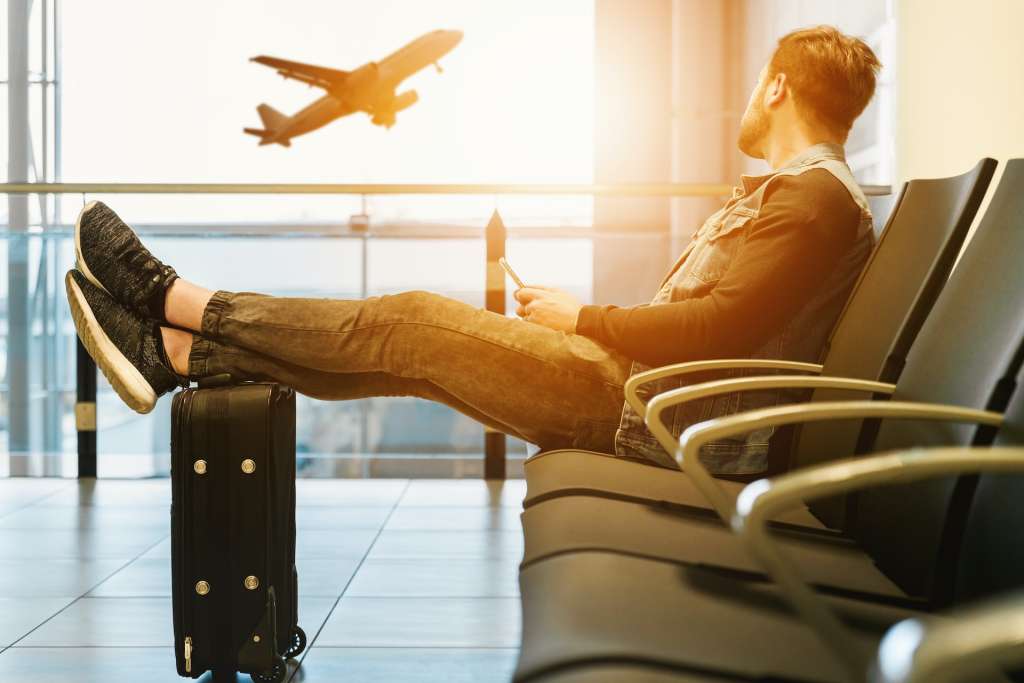
Aside from medication that may help reduce or even eliminate fear of flying, there are several things you can do to relax before and during your flight.
Here’s how to prepare if you’re afraid of flying!
Get informed. The more you know about airplanes, flying, and aviation safety, the more you can reduce or prevent fear. There are many online resources available, including books, articles, videos, and courses about how airplanes are built, their safety features, and statistics about aviation safety.
Practice relaxation techniques. Relaxation techniques such as deep breathing, meditation, and muscle relaxation can significantly help if you fear flying.
Prepare distractions. Books, music, games, or puzzles can help you take your mind off your fear and make your journey more pleasant.
Here’s what you can do to overcome your fear once you’re on the plane!
Distract yourself. As mentioned earlier, distraction is a very effective technique: read, listen to music, watch a movie or show, talk to other passengers.
Ask for help. If you feel overwhelmed, do not hesitate to ask for assistance. Flight attendants are specially trained to help anxious passengers and can provide the support you need.
Aromatherapy. Bring a small bottle of essential oil such as lavender or chamomile and take a few deep breaths to calm yourself.
Practice relaxation techniques. Pay attention to your breathing and bodily sensations and try to remain present. Relaxation exercises can help you stay calm and forget about your fear of flying.
In conclusion, while fear of flying is very common, it’s important to remember that air travel is one of the safest modes of transportation.
By understanding the causes of fear, practicing relaxation techniques, and using medication or therapy when needed, it is possible to overcome the fear of flying and enjoy the benefits of air travel. With the right mindset, preparation, and support, anyone can conquer their fear and experience the joy of exploring the world from above.
So next time you feel uneasy before a flight, remember that you have the power to control your fears and step onto the plane with confidence!
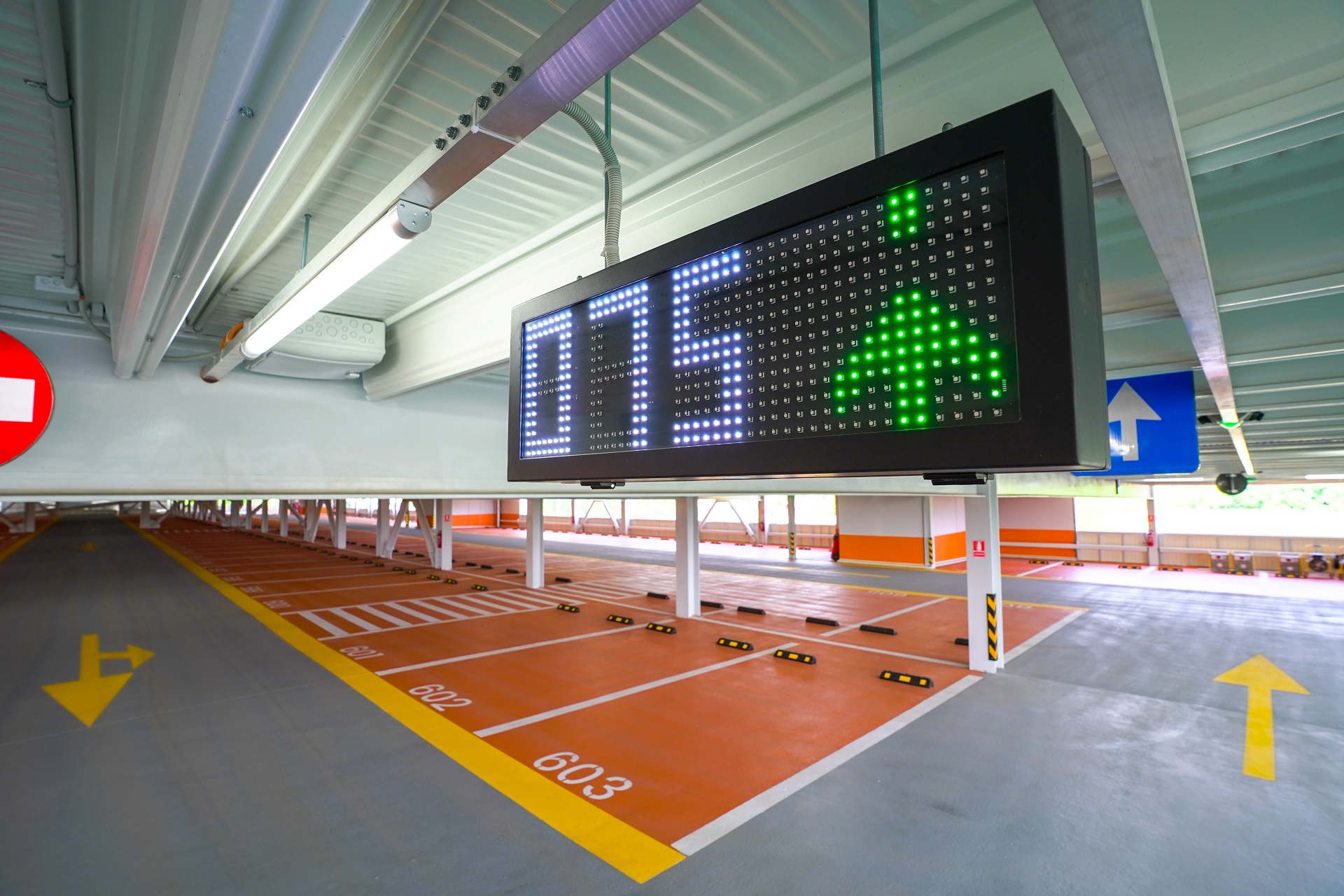
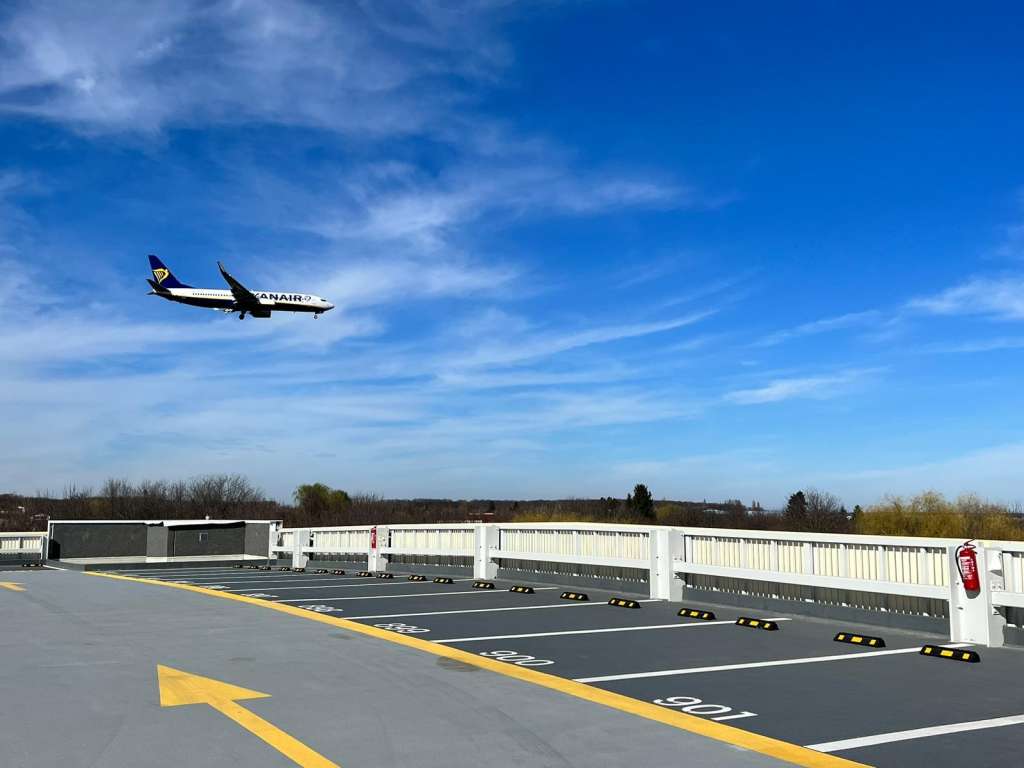
Of course, you can confidently leave your car for the entire duration of your trip at the most modern parking lot near Otopeni Airport. You’ll enjoy excellent conditions and impeccable services — so book your spot today!